
Schedule a Professional

Contact Form Demo
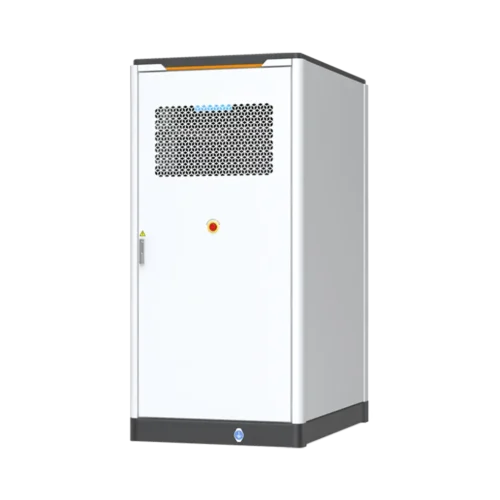
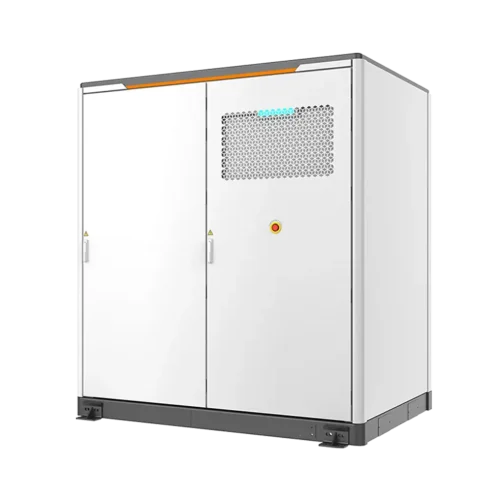
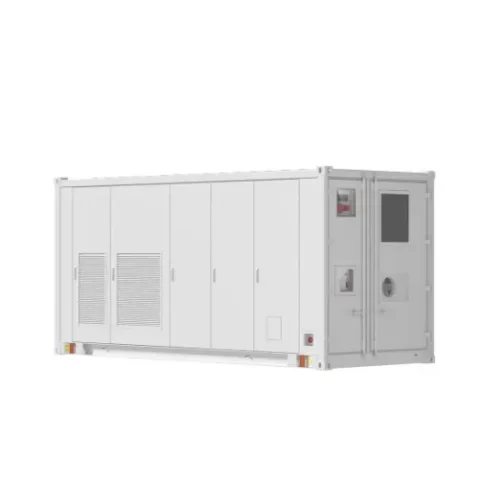
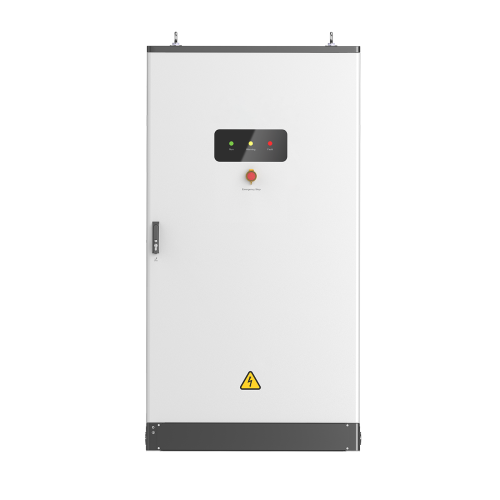
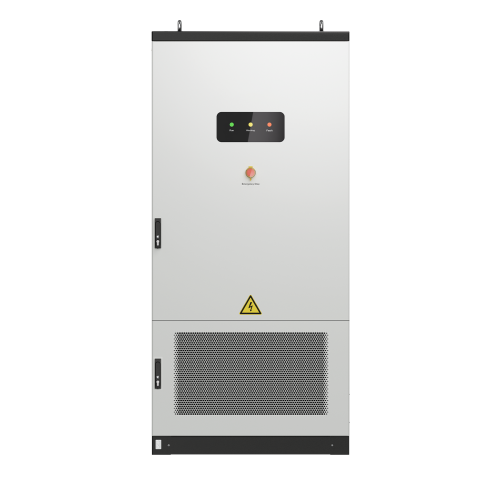
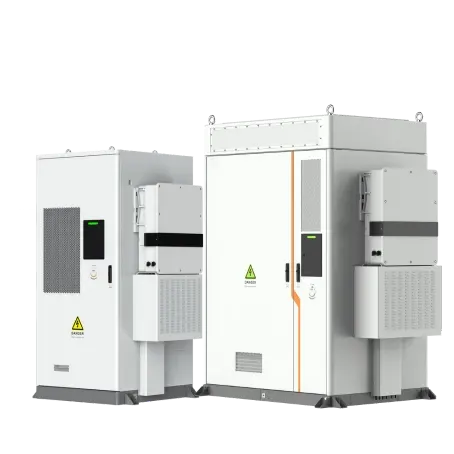
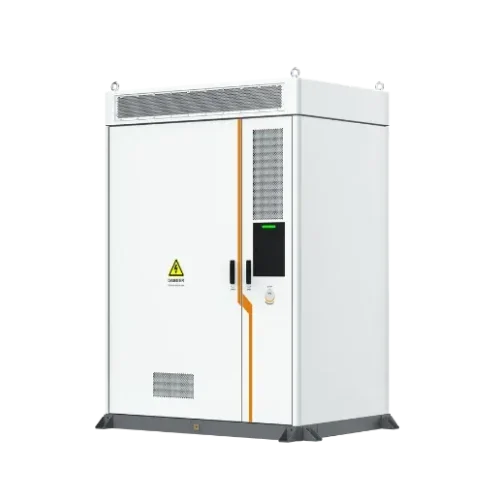
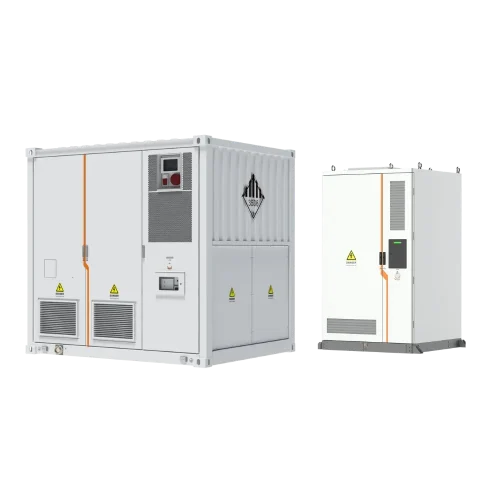
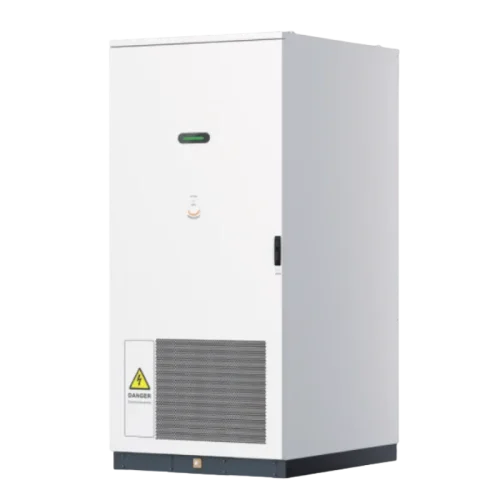
MP-110kW/229kWh  ST225CS-2H C&I Energy Storage System-9898

C&I Energy Storage System

C&I Battery Energy Storage System (BESS) Manufacturer | Industrial Energy Solutions

Custom All-in-One BESS Solutions for Factories, Data Centers, and Smart Grids

China Moneypro Energy is a premier R&D factory providing high-performance C&I Battery Energy Storage Systems (BESS). Our all-in-one cabinets (50kWh – 500kWh) are engineered to help factories, commercial complexes, and data centers reduce operational costs through Peak Shaving, Load Shifting, and Emergency Backup.

  • Tier-1 Bankability: UL 9540, UL 9540A, IEC 62619, and CE Certified.

  • Factory Direct: 5GWh annual capacity with full OEM/ODM customization.

  • Global Footprint: 2,000+ Industrial installations across 50+ countries.

  • Rapid ROI: Engineered to reduce demand charges by up to 40%.

Explore Our C&I Energy Storage Solutions:

Reliable, scalable, and high-efficiency Commercial & Industrial Energy Storage Systems designed to optimize energy usage, reduce electricity costs, and support sustainable power management for industrial and commercial applications.

What is a C&I Battery Energy Storage System (BESS)

A C&I Battery Energy Storage System (BESS) is a sophisticated, behind-the-meter (BTM) energy asset designed to manage a facility’s power demand and supply. Unlike residential backup batteries, a C&I system is a high-duty cycle infrastructure capable of managing heavy industrial loads and stabilizing complex on-site microgrids.

System Architecture

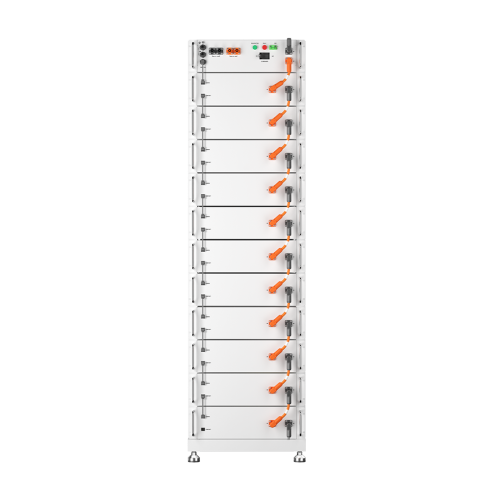
  1. Battery String/Cluster: High-density LiFePO4 cells with a 15-year design life.

  2. 3-Level BMS: Comprehensive monitoring from cell-level to system-level.

  3. Bi-directional PCS: High-efficiency inversion with grid-forming capabilities.

  4. EMS (The Brain): AI-driven energy management for optimized peak shaving.

  5. Thermal Management: Integrated Liquid Cooling or Industrial HVAC.

Applications of C&I Energy Storage Systems

Maximizing Value Across Every Commercial Sector


Application Technical Function Economic Benefit
Manufacturing Plants Peak Shaving Eliminate expensive demand charges during heavy machinery startup.
Data Centers Critical UPS Backup Ensure 24/7 “Five Nines” reliability with seamless transition.
EV Charging Hubs Load Balancing Support ultra-fast DC charging without upgrading grid transformers.
Office Complexes Solar Self-Consumption Store daytime PV surplus for night-time HVAC and lighting.
Hospitality & Retail Energy Arbitrage Buy electricity during off-peak hours and use it during peak-price periods.

Why Choose Our C&I ESS Solutions?

We deliver advanced energy storage systems designed for performance, reliability, and long-term value.

Our Advantages:

  • High Energy Efficiency: Optimized LFP battery technology with long cycle life
  • Smart Energy Control: AI-driven EMS for intelligent load management
  • Peak Shaving Capability: Reduce electricity demand charges effectively
  • Modular Design: Easy expansion and flexible configuration
  • Industrial-Grade Safety: Multiple protection systems including thermal and electrical safety
  • 24/7 Remote Monitoring: Real-time system operation and diagnostics

We focus on delivering stable, safe, and cost-effective energy solutions for global industrial users.

Customization Capabilities (OEM/ODM)

Tailored Power for Your Unique Operational Footprint

As a direct factory, we understand that C&I projects require flexibility. Our engineering team provides:

  • Capacity Scaling: Modular units from 50kWh to 500kWh per cabinet, parallelable to 10MWh+.

  • Enclosure Hardening: IP55 or IP66 rated cabinets with C5-level anti-corrosion coating for coastal or desert environments.

  • Software White-labeling: Customized EMS dashboards featuring your brand’s UI for EPC partners.

  • Grid Adaptation: Pre-configured settings for global grid codes (IEEE 1547, G99, AS4777.2).

Global C&I Energy Storage Projects

Our systems have been deployed in commercial and industrial projects worldwide.

Example Applications:

Each project demonstrates strong performance in energy savings, stability, and operational efficiency.

Get a Factory Quote

C&I BESS FAQ

The Complete Guide to Commercial & Industrial (C&I) Energy Storage Systems

In the current energy landscape, electricity is no longer just an operational expense—it is a strategic variable. With rising demand charges, grid instability, and the global push for decarbonization, Commercial & Industrial (C&I) Energy Storage Systems (BESS) have become the cornerstone of modern corporate infrastructure. This guide explores the technology, economics, and safety standards that define high-performance C&I storage.

How C&I Energy Storage Systems Work

A C&I BESS is a "behind-the-meter" (BTM) solution that acts as a buffer between the utility grid and your facility’s electrical load. Unlike simple backup batteries, a C&I system is an active power management asset.

The Three Pillars of Operation:

  1. Charging Phase: During off-peak hours (when electricity is cheap) or peak solar generation, the Power Conversion System (PCS) converts AC power from the grid or PV panels into DC to charge the battery modules.

  2. The Intelligence Layer: The Energy Management System (EMS) constantly monitors the facility's load and grid tariffs. It uses predictive algorithms to decide precisely when to store or release energy.

  3. Discharging Phase: When the facility’s demand hits a "peak" (tripping expensive demand charges) or when utility rates skyrocket, the system discharges in milliseconds (<20ms), supplying the building's load and reducing the pull from the grid.


Types of C&I Storage Systems

To select the optimal BESS for a commercial or industrial facility, it is essential to classify systems based on their integration level, thermal management, and electrical coupling.

1. By Integration Architecture: All-in-One vs. Modular Split

  • All-in-One Integrated Cabinets: The most common choice for C&I projects. These systems integrate the battery strings, Power Conversion System (PCS), BMS, EMS, HVAC, and fire suppression into a single, weatherproof IP55/IP66 enclosure.

    • Best for: Retail, office buildings, and EV charging stations where site space is limited and "Plug & Play" deployment is required.

  • Modular Split-Type Systems: In this configuration, battery racks and the PCS are housed separately.

    • Best for: Large-scale industrial microgrids where custom sizing of the inverter-to-battery ratio is necessary, or where indoor equipment rooms are already available.

2. By Thermal Management: Liquid-Cooled vs. Air-Cooled

  • Liquid-Cooled BESS (The 2026 Standard): Utilizes a glycol-water mixture circulated through cold plates in contact with cells.

    • Advantage: Maintains cell temperature variance within $\Delta 3^{\circ}C$, effectively preventing hot spots and extending battery life by up to 20%. It offers 30% higher energy density.

  • Air-Cooled BESS: Relies on industrial-grade HVAC units or fans to circulate air.

    • Advantage: Lower initial CapEx and simpler maintenance. Ideal for smaller-scale C&I applications in temperate climates.

3. By Electrical Coupling: AC-Coupled vs. DC-Coupled

  • AC-Coupled Systems: The BESS is connected to the AC side of the facility’s electrical panel.

    • Best for: Retrofit projects where a solar PV system already exists. It is easier to install without disturbing the existing solar inverter setup.

  • DC-Coupled Systems: The battery and solar PV share the same DC bus through a multi-port hybrid inverter.

    • Best for: New-build Solar+Storage projects. It is 3–5% more efficient as it avoids multiple DC-to-AC conversion stages.

Lithium Battery Technology: Why LFP is the Gold Standard

In 2026, Lithium Iron Phosphate (LFP / LiFePO4) has effectively replaced NMC (Nickel Manganese Cobalt) in the C&I sector. At China Moneypro Energy, we exclusively utilize Grade-A LFP cells for several engineering reasons:

  1. Thermal Stability: The P-O bond in $LiFePO_4$ is extremely strong, meaning the cells do not release oxygen during high-temperature events, virtually eliminating the risk of "oxygen-fed" fires.

  2. Longevity: LFP cells offer a cycle life of 6,000 to 10,000 cycles at 80% Depth of Discharge (DOD), compared to the 2,000–3,000 cycles typical of NMC.

  3. Economic Efficiency: By removing expensive cobalt and nickel from the supply chain, LFP provides a significantly lower Levelized Cost of Storage (LCOS) over a 15-year operational life.

Cost Structure & ROI Analysis: The CFO’s Perspective

A C&I BESS is an investment in cash flow. To understand the ROI, we must look beyond the initial CapEx.

The CapEx Breakdown:

  • Battery Modules: ~50–60% of total cost.

  • Power Conversion (PCS): ~15–20%.

  • BMS & EMS Software: ~10%.

  • Installation & Permitting: ~10–15%.

Revenue Streams & Savings (The ROI Drivers):

  1. Demand Charge Reduction (Peak Shaving): In many regions, up to 50% of a commercial electricity bill is based on the single highest 15-minute spike of the month. Shaving this spike can save thousands of dollars monthly.

  2. Energy Arbitrage: Charging during low-cost "valley" hours and discharging during high-cost "peak" hours.

  3. Solar Self-Consumption: Eliminating the "waste" of solar power that would otherwise be fed back to the grid for low feed-in tariffs.

  4. Backup Power Value: Preventing the loss of revenue during a 2-hour blackout can sometimes pay for 20% of the system's cost in a single event.

Typical ROI Timeline: 4.5 to 7 years, depending on local utility structures and incentives.

Safety Standards: Protecting Your Assets

Safety in C&I storage is not just about a fire extinguisher; it is about systemic engineering. A bankable BESS must comply with three major global benchmarks:

  • UL 9540 (System Level): Ensures the entire integration (Battery + PCS + Software) works safely as a single unit.

  • UL 9540A (Thermal Runaway Testing): A rigorous test that measures if a fire can spread from "cell-to-cell" or "module-to-module." Our systems are engineered with internal firewalls to ensure any failure remains localized.

  • NFPA 855: The standard for the installation of Energy Storage Systems, dictating spacing, fire suppression (like FK-5-1-12 gas), and deflagration venting.

Future-Proof Your Energy Today

Energy prices will continue to fluctuate, but your operational costs don't have to. China Moneypro Energy provides factory-direct, C&I-grade BESS solutions designed for maximum ROI and uncompromising safety.

Contact our solutions engineering team today for a custom Load Profile Analysis and a zero-obligation ROI projection.

Request a Wholesale Quote