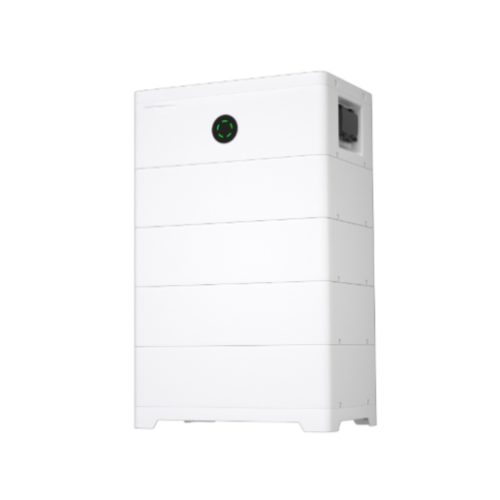
Complete Guide to Home Battery Storage
Home battery storage systems are rapidly becoming a core component of modern residential energy infrastructure. As electricity prices rise and solar adoption grows, homeowners and installers are increasingly looking for reliable ways to store energy, reduce dependence on the grid, and ensure backup power during outages.
This guide explains how residential battery storage works, compares different battery system types, explores lithium battery technologies, and helps you determine the right battery size and return on investment.
How Home Battery Storage Works
A residential energy storage system stores electricity in rechargeable lithium batteries and releases it when household demand exceeds generation or when grid power is unavailable.
Charging Phase
During the day, solar panels generate electricity. The system prioritizes:
- Powering household loads
- Charging the battery with excess solar energy
- Exporting remaining electricity to the grid (if allowed)
The Energy Management System (EMS) determines the optimal charging strategy based on solar production, electricity tariffs, and household consumption patterns.
Discharging Phase
At night or during peak electricity pricing periods, the battery discharges stored energy to power the home.
This process is called time-of-use optimization, allowing homeowners to avoid expensive peak electricity rates.
Backup Power Mode
During a grid outage:
- The inverter isolates the home from the grid
- The battery supplies essential loads
- Solar panels can continue charging the battery (depending on system design)
This enables uninterrupted power for critical appliances such as refrigerators, lighting, routers, and medical devices.
AC-Coupled vs DC-Coupled Systems
AC-Coupled
|
DC-Coupled
|
- Battery connects to the AC side of the home
- Easier retrofit for existing solar systems
- Slightly lower efficiency due to extra conversion
|
- Battery connects directly to solar panels
- Higher efficiency
- Ideal for new installations
|
Types of Residential Battery Storage Systems
Residential battery systems come in several configurations designed for different installation scenarios and customer needs. Choose the ideal residential energy storage architecture by balancing installation complexity, space availability, and future scalability requirements.
| System Type |
Description |
Key Pros |
Best For |
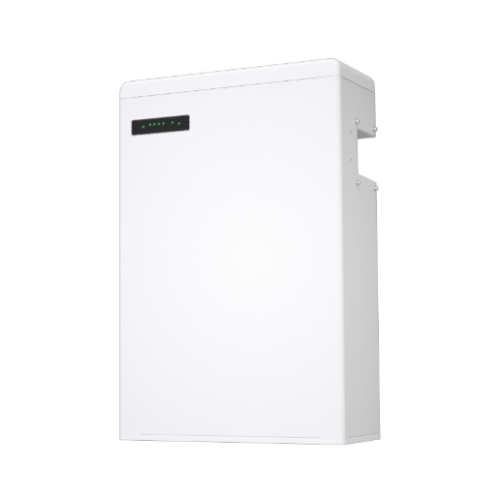
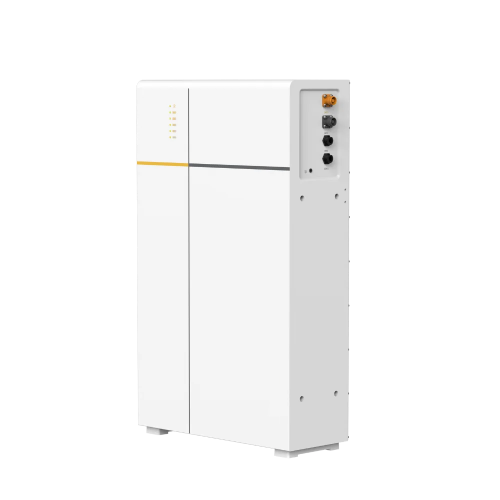
| All-in-One Systems |
Fully integrated unit combining the battery pack and hybrid inverter in one enclosure. |
Plug-and-play setup; compact design; minimal field wiring required. |
New solar installations; installers prioritizing rapid deployment. |
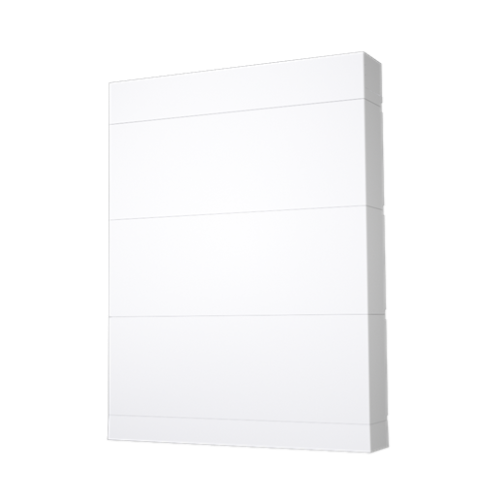
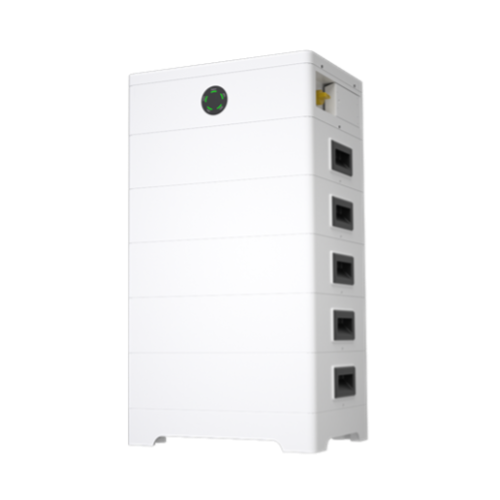
| Stackable Systems |
Modular units that stack vertically, allowing for "Lego-style" capacity growth. |
High scalability; easy logistics/transportation; lower initial homeowner investment. |
Growing households; markets where customers upgrade capacity over time. |
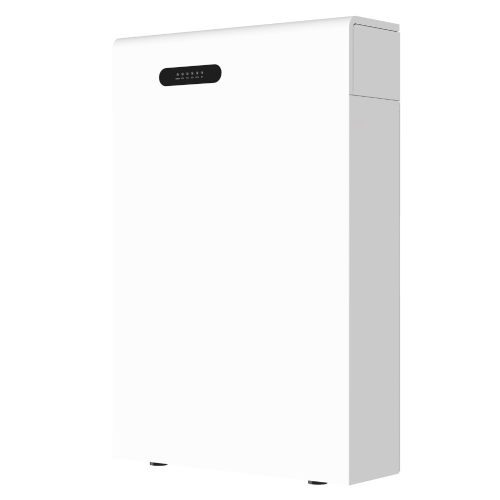
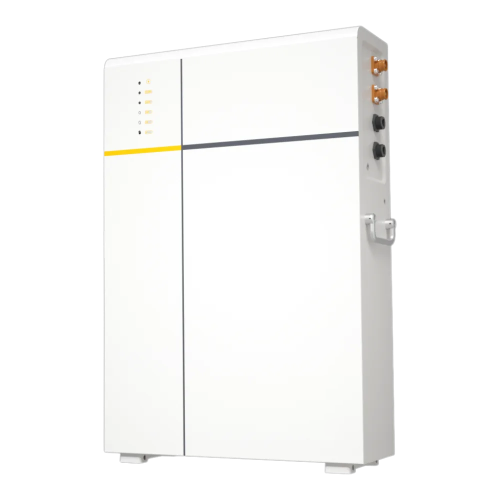
| Wall-Mounted Batteries |
Slim, high-density units designed to be mounted directly onto walls. |
Sleek aesthetics; zero floor footprint; very indoor-installation friendly. |
Urban homes, apartments, and space-constrained residential areas. |
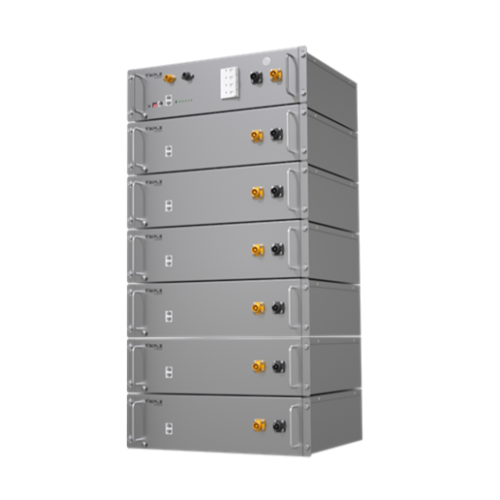
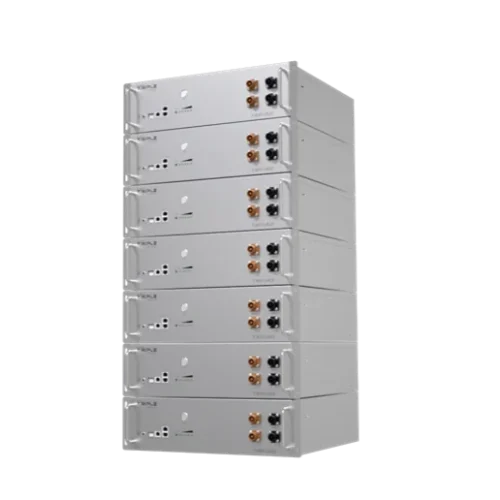
| Rack-Mounted Systems |
Standard 19-inch battery modules housed in technical server-style racks. |
Maximum flexibility; easy maintenance access; high system integrator preference. |
Technical users, system integrators, and custom high-capacity projects. |
Choosing the Right Battery Capacity
One of the most common questions from homeowners and installers is:
How many kWh of battery storage does a house need?
Step 1: Determine Daily Energy Consumption
Typical household consumption:
| Home Size |
Daily Usage |
| Small home |
8–12 kWh |
| Medium home |
12–20 kWh |
| Large home |
20–35 kWh |
Step 2: Decide System Goal
Backup Only
|
Solar Self-Consumption
|
Whole-Home Backup
|
| 5–10 kWh is often sufficient |
10–20 kWh recommended |
20–40 kWh or more |
Step 3: Consider Solar System Size
| Solar System |
Recommended Battery |
| 5 kW solar |
10 kWh battery |
| 8 kW solar |
15 kWh battery |
| 10 kW solar |
20 kWh battery |
Proper sizing ensures optimal solar energy utilization and cost savings.
ROI of Solar Battery Storage
Home battery storage is not only about energy independence — it is also a financial investment.
Key Savings Sources
1. Peak Electricity Cost Reduction
Electricity prices vary throughout the day.
Battery storage allows homeowners to:
- Store cheap off-peak electricity
- Avoid expensive peak tariffs
This can significantly reduce electricity bills.
2. Increased Solar Self-Consumption
Without batteries, many homes use only 30–40% of solar energy generated.
With battery storage:
- Self-consumption increases to 70–90%
This maximizes the value of solar installations.
3. Backup Power Value
Power outages can cause:
- Food spoilage
- Work disruption
- Comfort loss
A home battery provides reliable backup power, which adds long-term value.
Typical Payback Period
Depending on electricity prices and solar incentives:
- 5–8 years in high electricity price markets
- 7–10 years in moderate electricity markets
After the payback period, the system continues generating savings for many years.
The Future of Residential Energy Storage
Residential battery storage is becoming a key component of smart homes and distributed energy systems.
Future trends include:
- Integration with EV charging
- Smart grid participation
- Virtual power plants (VPP)
- AI-driven energy optimization
Home energy storage is no longer optional — it is becoming a standard part of modern residential energy infrastructure.
Request a Wholesale Quote