How Should Solar Panels Be Stored?
Let us confront a brutal reality in the renewable energy sector: procurement directors and logistics managers routinely sabotage multi-million-dollar photovoltaic (PV) deployments before a single panel ever touches a mounting rail. The operational negligence surrounding warehousing protocols is staggering. When you purchase high-efficiency monocrystalline modules, you are investing in delicate, precision-engineered semiconductor technology. Yet, we constantly see these assets treated like crude construction materials, left exposed to the elements or improperly stacked in humid distribution centers. If you are asking the critical question of how solar panels be stored, you must recognize that this is not a casual logistical preference; it is a strict engineering mandate.
From our experience engineering resilient power infrastructure, the manner in which solar panels be stored directly dictates their performance lifespan and warranty validity. A microscopic fracture in a silicon wafer, invisible to the naked eye, will permanently throttle the power output of the entire array. Moisture ingress into the junction box during staging will cause rapid diode failure. We refuse to accept substandard warehousing practices. If your facility does not mandate strict protocols regarding how solar panels be stored, you are actively burning your capital investment.
China MoneyPro Energy is a technology-driven developer of advanced energy storage systems and intelligent power solutions, built upon a strong heritage of national-level research institutes and decades of engineering experience in high-reliability systems.
In this uncompromising, expert-led guide, we will dissect the mechanical physics of PV degradation, explain the exact orientation and environmental controls required, and definitively establish the global industrial standards for how solar panels be stored in both short-term staging and long-term warehousing scenarios.
Table of Contents
- 1. The Physics of Failure: Why Storage Methods Matter
- 2. Orientation Mandates: Vertical vs. Horizontal Palletization
- 3. Climate and Environmental Constraints
- 4. Forklift and Mechanical Handling Protocols
- 5. Staging Panels for Advanced Energy Integrations
- 6. Summary Matrix: The Golden Rules of Storage
- 7. Frequently Asked Questions (FAQs)
- 8. Authoritative Engineering References
1. The Physics of Failure: Why Storage Methods Matter
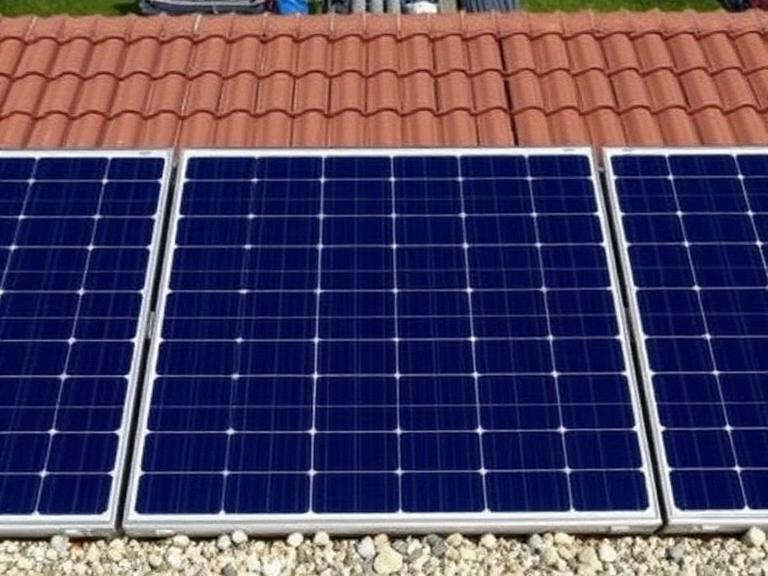
Before we outline the exact physical parameters of how solar panels be stored, you must understand the pathology of a silicon cell. A solar module consists of ultra-thin silicon wafers encapsulated in an Ethylene Vinyl Acetate (EVA) layer, sandwiched between a tempered glass front and a polymer backsheet. While the tempered glass is highly resistant to blunt frontal impact, the silicon cells beneath are incredibly brittle.
When solar panels be stored improperly—specifically when they are subjected to uneven weight distribution or torsion—the silicon wafers experience micro-cracking. These microscopic fractures disrupt the flow of electrons. Once the panel is installed and subjected to real-world thermal cycling (expanding in the sun and contracting at night), these micro-cracks propagate into massive dead zones, causing severe localized hotspots and catastrophic power degradation. Furthermore, if solar panels be stored in environments with fluctuating extreme humidity, the EVA encapsulation layer can prematurely degrade, leading to potential induced degradation (PID) and moisture ingress before the system is even commissioned.
2. Orientation Mandates: Vertical vs. Horizontal Palletization
The most frequent and destructive mistake made by amateur logistics teams involves orientation. So, how should solar panels be stored regarding their physical axis? We unequivocally mandate that solar panels be stored vertically (on their long edge) within their original, factory-sealed packaging.
If solar panels be stored horizontally (flat, stacked on top of one another like sheets of plywood), the sheer weight of the stack places an immense, crushing load on the panels at the bottom. Even if the aluminum frames bear the brunt of the weight, the center of the glass will bow downward under gravitational pressure and physical vibration during warehouse movement. This bowing flexes the silicon cells, virtually guaranteeing micro-cracks. When solar panels be stored vertically in specialized slotted pallets, the aluminum frames carry the load completely in their strongest structural orientation, leaving the delicate glass and semiconductor layers completely free of transverse pressure.
Do not break the factory banding until the pallet is placed at the final installation site. The tension bands, corner protectors, and corrugated separators are engineered specifically to maintain structural rigidity. If solar panels be stored after a pallet has been compromised or partially unpacked, you must utilize specialized A-frame racking systems to support the panels vertically at a slight angle, ensuring they do not tip over.
3. Climate and Environmental Constraints
Another non-negotiable factor in how solar panels be stored is the ambient climate of the warehouse. While PV modules are designed to survive decades in harsh outdoor environments, their connectors and junction boxes are highly vulnerable when lying dormant and disconnected.
We recommend that solar panels be stored indoors in a dry, well-ventilated facility. Staging pallets outdoors under a simple plastic tarp is a severe operational failure. Condensation will accumulate under the tarp, creating a hyper-humid microclimate. This moisture will penetrate the MC4 connectors, oxidizing the metallic contacts and drastically increasing electrical resistance once the system is wired. When solar panels be stored for periods exceeding 30 days, the warehouse temperature should be maintained between -20°C and 45°C, with relative humidity kept below 80%. Never allow standing water to accumulate near the base of the pallets, as capillary action can draw moisture upward into the cardboard packaging, compromising the vertical stability of the entire stack.
4. Forklift and Mechanical Handling Protocols
Knowing how solar panels be stored is only half the battle; knowing how to move them into that storage position is equally critical. Forklift operators are responsible for the vast majority of invisible mechanical damage. When moving pallets to ensure solar panels be stored correctly, the forklift tines must be perfectly leveled and fully inserted through the designated pallet cutouts.
We strictly prohibit double-stacking pallets unless explicitly authorized by the manufacturer’s engineering specifications. Even if the factory allows double-stacking, it is imperative that the lower pallet is perfectly level and resting on a solid concrete floor. If a forklift operator drops a pallet too aggressively, the kinetic shockwave travels directly up through the aluminum frames and shatters the tempered glass. Operators must treat the pallets as highly sensitive electronic payloads, not as durable construction lumber.
5. Staging Panels for Advanced Energy Integrations

The demands of modern energy infrastructure require meticulous logistical sequencing. The exact protocols for how solar panels be stored become even more critical when integrating the arrays with advanced storage and distribution systems. You cannot delay a complex deployment because your generation assets were degraded in the warehouse.
For instance, if your facility is staging modules alongside a massive Commercial Energy Storage Solution, the timing of the physical deployment is highly synchronized. The solar panels must remain factory-sealed in their vertical pallets until the heavy battery racks are secured and the inverter foundations are poured. Similarly, when deploying a rapid EV Charging Infrastructure Solution, the solar canopy modules are often the final components installed. Ensuring those solar panels be stored securely prevents frustrating delays that can breach tight municipal construction contracts.
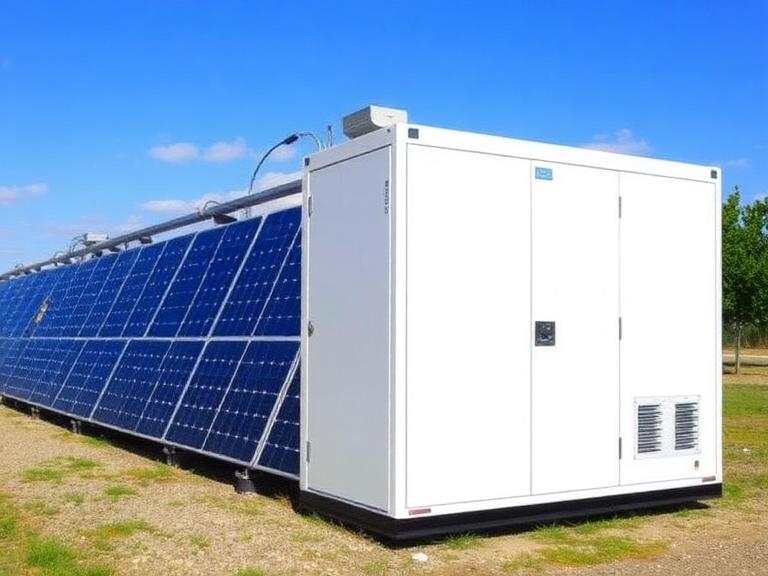
Heavy industry demands perfection. When staging for an Industrial Energy Storage Solution or a complex, localized Microgrid Energy Solution, the panels are often stored on-site in temporary connex boxes. It is vital that the solar panels be stored inside these shipping containers with adequate ventilation to prevent the internal temperatures from skyrocketing and damaging the EVA layers.
In remote deployments, such as preparing an Off-Grid Power Solution in severe desert or arctic environments, the logistical chain is fragile. The manner in which solar panels be stored at the remote basecamp dictates the survival of the equipment before installation. Even in residential scaling, when coupling generation with a Solar + Energy Storage Solution or a sleek Residential Energy Storage System, contractors must ensure panels are never laid flat on a client’s driveway or lawn. For massive grid-level deployments, supporting a Utility Scale Energy Storage Solution requires thousands of pallets. Procurement managers must utilize specialized warehousing software to track inventory, ensuring the First-In, First-Out (FIFO) method is strictly applied to minimize the total duration that solar panels be stored prior to commissioning.
6. Summary Matrix: The Golden Rules of Storage
To assist your operations managers and logistics coordinators, we have synthesized the uncompromising parameters for how solar panels be stored into this definitive reference matrix.
| Storage Parameter | Uncompromising Standard | Reasoning / Consequence of Failure |
|---|---|---|
| Physical Orientation | Strictly vertical (on the long edge) | Horizontal stacking causes glass bowing, micro-cracking, and cell fracture. |
| Packaging State | Remain in factory-sealed banding | Banding maintains essential tension and prevents panels from tipping or shifting. |
| Stacking Limits | Never double-stack without OEM approval | Excessive weight crushes the lower pallet’s structural supports. |
| Climate Control | Indoors, dry, under 80% humidity | Moisture corrodes MC4 connectors and degrades the EVA encapsulation layer. |
| Floor Contact | Elevated on pallets, no standing water | Capillary action destroys cardboard integrity, risking a catastrophic pallet collapse. |
7. Frequently Asked Questions (FAQs)
Can solar panels be stored outside if they are covered with a heavy-duty tarp?
From our uncompromising perspective, no. While a tarp protects against direct rain, it traps ground moisture and creates severe internal condensation. When solar panels be stored this way, the trapped humidity actively corrodes the exposed metallic contacts and wiring harnesses. If outdoor staging is absolutely unavoidable for a few days during active construction, the pallets must be elevated off the dirt and wrapped in breathable, weather-resistant materials, not sealed plastic tarps.
Does the manner in which solar panels be stored affect the manufacturer’s warranty?
Absolutely. Almost all Tier 1 solar module manufacturers include strict handling and warehousing clauses in their warranty documentation. If an independent engineering audit determines that solar panels be stored horizontally, or were subjected to double-stacking against OEM guidelines, any claims regarding micro-cracking, PID, or power output degradation will be instantly denied, leaving your firm entirely liable for the financial loss.
If I have loose, unpacked panels, how should solar panels be stored?
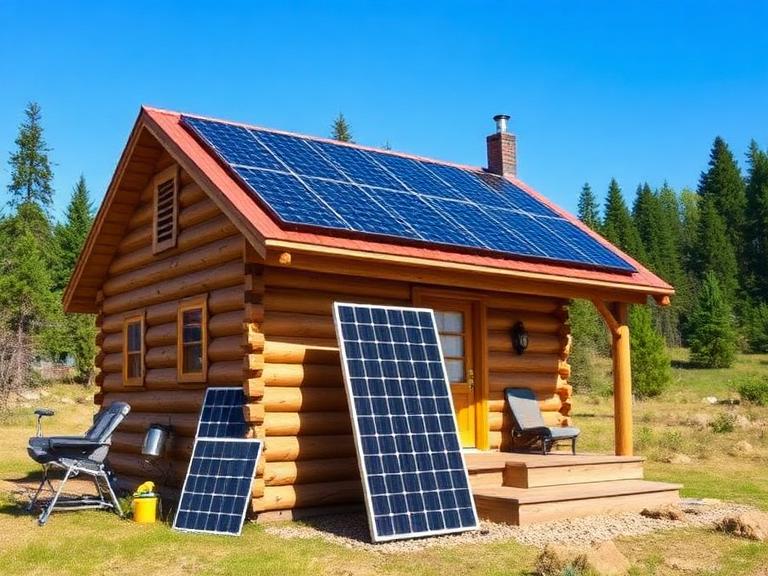
If you must break a pallet, unpacked solar panels be stored leaning vertically against a secure, padded wall at a slight 10 to 15-degree angle. You must place thick, non-abrasive padding (such as high-density foam or rubber) between each individual panel to prevent the aluminum frames from scratching the glass of the adjacent module. They should never be laid flat on the ground under any circumstances.
8. Authoritative Engineering References
To ensure your logistical operations align with verified international standards regarding how solar panels be stored and handled, we strongly advise consulting the following scientific and governmental resources:
- National Renewable Energy Laboratory (NREL): Comprehensive research and analysis detailing the physical mechanics of PV module degradation, highlighting how physical stress and improper staging logistics contribute to severe micro-cracking and long-term power loss in silicon cells.
- IEEE Xplore Digital Library: Peer-reviewed engineering documentation on the catastrophic effects of moisture ingress, humidity, and thermal cycling on the structural encapsulation layers of photovoltaic modules during the pre-installation and warehousing phases.