The 6 Best Off Grid Solar Power Kits for Small Cabins
Living off the grid is a highly romanticized concept, but when the sun goes down and your batteries are entirely drained, the harsh reality of a poorly engineered electrical system becomes a nightmare. A flickering light, a dead refrigerator, or a disabled well pump is not just a minor inconvenience in a remote location; it is a profound structural failure. At China Moneypro, we refuse to accept the industry standard of pushing weak, glorified camping batteries as viable permanent solutions. If you are building or upgrading an isolated property, you must invest in uncompromising, scalable hardware.
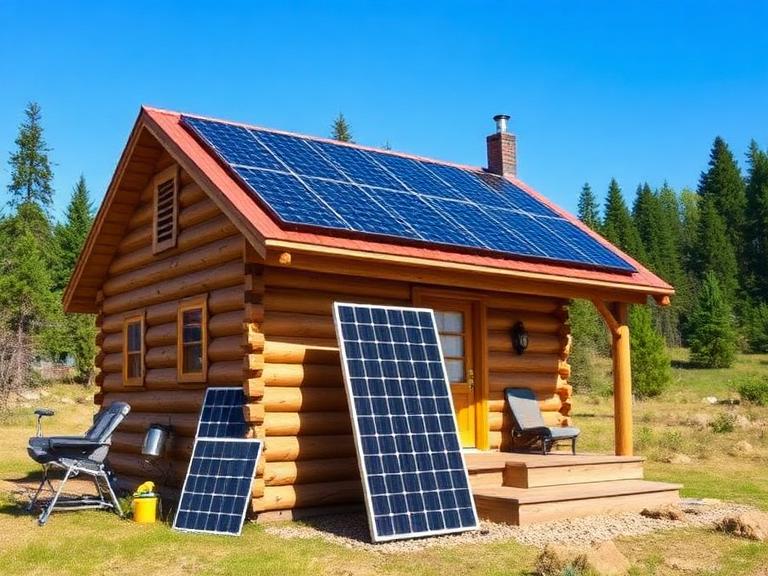
When searching for the best off grid solar power kits for small cabins, you must look past the shiny marketing jargon and focus entirely on battery chemistry, inverter surge capacity, and modular expandability. From our experience, relying on mismatched components procured from random internet vendors is a recipe for catastrophic failure. You need a cohesive, modular architecture that integrates seamlessly from the solar array down to the battery management software.
In this relentlessly practical guide, we will dissect the 6 best off grid solar power kits for small cabins available in 2026. We will expose the fatal flaws of outdated lead-acid setups, explain why Lithium Iron Phosphate (LFP) is non-negotiable, and provide a clear roadmap to achieving true, uninterrupted energy independence.
Table of Contents
1. The Brutal Truth About Sizing Cabin Power Systems
Before reviewing the top off grid solar power kits for small cabins, we must address the single biggest mistake cabin owners make: vastly underestimating their surge loads. A standard deep-well pump or a mini-split air conditioner might only draw 1,000 watts while it is continuously running, but it can pull upwards of 4,000 watts during the instantaneous startup phase. If your Power Conversion System (PCS) cannot handle this massive surge, the entire system will crash, plunging your cabin into darkness.
We recommend treating your load calculations with absolute pessimism. Do not size your system for perfect sunny days in the middle of July; size it for a three-day blizzard in December. You must audit every single appliance, calculate the daily kilowatt-hour (kWh) consumption, and then double your battery capacity to ensure you have enough autonomy. This requires a transition from piecemeal DIY electronics to professional-grade residential hardware.
2. The 6 Best Off Grid Solar Power Kits for Small Cabins
1. The Expandable Long-Term Homestead Kit (Top Pick)
We rank this as the definitive choice for serious off-grid living. When you build a cabin, your power needs inevitably grow. You might start with basic lighting and a laptop, but within three years, you are running a table saw in a workshop and charging an electric ATV. Therefore, purchasing a static, unchangeable battery bank is an obsolete strategy.
MP-10~40kWh SBH100~400 High Voltage LFP Battery-2332
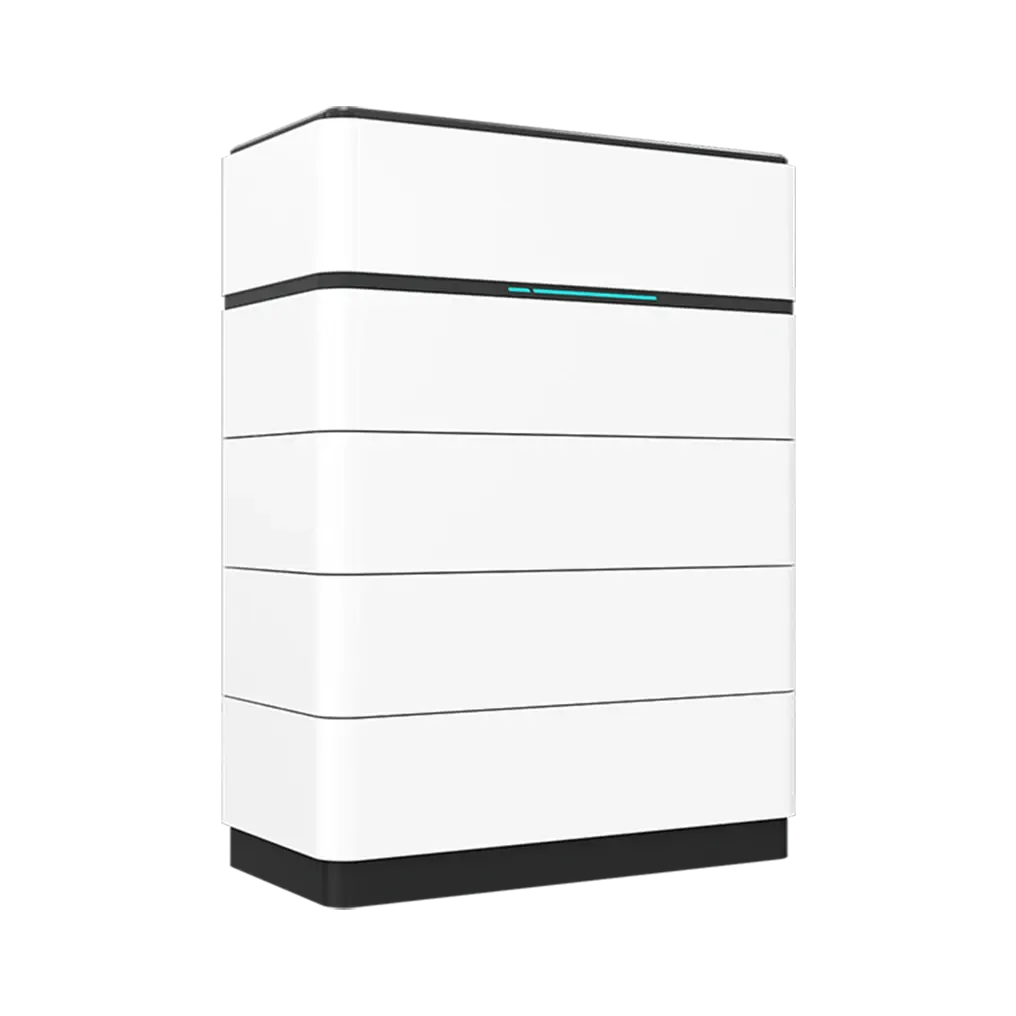
We highly recommend our flagship high-voltage LFP system for this exact reason. Offering 5 kWh per module, this kit allows for granular, modular capacity expansion. You can stack up to 8 modules per unit, and run up to 4 units in parallel, giving you a total expandable storage capacity of up to ~160 kWh. This future-proof design supports gradual expansion as your energy needs evolve, ensuring you never have to throw away old equipment just to upgrade. It is, without question, one of the most resilient off grid solar power kits for small cabins on the market.
2. The All-in-One Plug-and-Play Cabin Solution
From our experience, simplifying the installation process is vital for remote builds where hiring a specialized solar electrician carries a massive premium. The best off grid solar power kits for small cabins must eliminate the “spaghetti wiring” associated with traditional setups. You need a system that minimizes points of failure.
MP-ESA Series 3-10kW/5-48kWh Single Phase Home Storage Solution-3513
Enter the MP-ESA Series. This brilliant architecture combines the inverter, the battery, UPS-style switching, and the energy enclosure into a single, pre-wired modular unit. With stackable battery modules (5 kWh or 8 kWh) that are scalable up to ~48 kWh, it perfectly matches your initial energy demands while leaving room for growth. Crucially, it supports mixing old and new battery modules for easier system upgrades—a massive advantage over older technologies. It stands as a premier Residential Energy Storage System perfectly tailored for the wilderness.
3. The 240V Heavy-Duty Appliance Kit
If your cabin requires 240V split-phase power for a submersible deep well pump, an electric dryer, or a robust heating system, a standard 120V kit will fundamentally fail you. You require a setup featuring a high-tier Hybrid Inverter capable of generating balanced 240V output and handling extreme surge currents. The best heavy-duty off grid solar power kits for small cabins utilize dual 6kW or 8kW inverters running in parallel to ensure your heavy machinery operates flawlessly, even under extreme load.
4. The Microinverter-Optimized Forest Kit
Not every cabin sits in a perfectly sunlit, open meadow. If your roof is heavily shaded by towering pines or mountain ridges, a traditional String Inverter setup will suffer massive efficiency drops; shade on just a single panel will bottleneck the entire string’s output. In this scenario, the most effective off grid solar power kits for small cabins utilize Microinverter & MLPE (Module-Level Power Electronics) technology. This ensures that every individual solar panel operates independently, maximizing your energy harvest even in dense, wooded environments where sunlight is fractured.
5. The Scalable Commercial-Grade Off-Grid Package
Sometimes “small cabin” is a misnomer for a multi-building eco-lodge, a remote hunting camp, or a research station. For these high-demand scenarios, you must look beyond standard residential setups and borrow rugged technology from the C&I Energy Storage System (Commercial & Industrial) sector. These packages offer immense continuous AC output, extreme environmental durability, and the capability to run heavy commercial loads without degrading the battery lifespan.
6. The Grid-Defector Retrofit Kit
Perhaps you already have an older solar array feeding a Grid-Tied Inverter, but you are plagued by rural grid outages and want to cut the cord entirely. Tearing out your existing panels and wiring is a massive waste of capital. The best retrofit off grid solar power kits for small cabins use an AC-coupled battery architecture. This allows you to add high-voltage storage to your existing array without disrupting the current wiring, instantly transforming your vulnerable grid-tied cabin into a self-reliant fortress.
3. Critical Components You Cannot Compromise On
If you want your system to survive the harsh realities of remote living, you must be uncompromising about the internal components of your kit. A cheap system will cost you significantly more in replacement parts and ruined weekends than simply investing in quality hardware upfront.
- The Battery Chemistry: We strongly advise you to reject lead-acid (AGM, Gel, or flooded) batteries entirely. They are technologically obsolete, excessively heavy, and require constant temperature management. Furthermore, you can only safely discharge them to 50% without causing permanent, irreversible damage. We demand Lithium Iron Phosphate (LFP) chemistry. LFP is inherently safer, provides thousands of deep charge cycles, and allows for 80% to 90% depth of discharge (DoD).
- The Brain of the Operation: An LFP battery is only as reliable as the Battery Management System (BMS) guarding it. The BMS continuously monitors individual cell voltage, temperature, and current flow. At China Moneypro, we utilize the exact same rigorous BMS architecture found in our massive Utility Scale Energy Storage System deployments to ensure your cabin battery will never overcharge, over-discharge, or suffer thermal runaway.
4. Summary Table: Kit Comparison
To help you select the ideal setup for your property, we have synthesized the core features of these top off grid solar power kits for small cabins into a quick-reference matrix.
| Kit Configuration | Ideal Use Case | Key Technology Focus | Expandability |
|---|---|---|---|
| MP-10~40kWh High Voltage LFP | Long-Term Homesteads | Modular Stackable LFP Batteries | Up to 160 kWh |
| MP-ESA All-in-One Solution | Plug-and-Play Remote Cabins | Pre-wired Inverter & Battery Combo | Up to 48 kWh |
| 240V Heavy-Duty Appliance Kit | Cabins with Well Pumps / AC Units | High-Surge Hybrid Inverters | Excellent |
| Microinverter-Optimized Forest Kit | Heavily Shaded Environments | Module-Level Power Electronics | Panel-by-Panel |
| Commercial-Grade Package | Eco-Lodges & Multi-Building Camps | C&I Storage Architecture | Massive |
| Grid-Defector Retrofit Kit | Existing Grid-Tied Systems | AC-Coupled Storage | Varies by Existing Inverter |
5. Frequently Asked Questions (FAQs)
How many solar panels do I actually need for a small cabin?
From our experience, there is no universal answer. However, a highly efficient small cabin running LED lights, a laptop, a Starlink dish, and an energy-efficient 12V refrigerator typically requires a minimum of 1,200W to 2,000W of solar panels. If you plan to use electric heating, air conditioning, or heavy power tools, you will need to scale your array to 4,000W or higher.
Can off grid solar power kits for small cabins run an air conditioner?
Yes, absolutely. However, you must utilize a high-efficiency mini-split air conditioner with variable inverter technology, not a cheap window unit. More importantly, your system must feature a powerful PCS and an LFP battery bank large enough to sustain the continuous draw of the AC through the night when the solar panels are no longer producing power.
How long do lithium (LFP) batteries last in an off-grid setup?
Unlike lead-acid batteries that degrade rapidly and need replacement every 3 to 5 years, premium Lithium Iron Phosphate (LFP) batteries are engineered to last over 6,000 cycles at 80% Depth of Discharge. In a typical cabin environment, this translates to 10 to 15 years of reliable daily service before you see any significant degradation in storage capacity.
6. Industry References
To ensure your off-grid system is built to the highest safety and efficiency standards, we recommend reviewing documentation from the following authoritative bodies:
- National Renewable Energy Laboratory (NREL): Research on Photovoltaic System Performance and battery degradation modeling in remote, off-grid environments.
- U.S. Department of Energy (DOE): Guidelines on Off-Grid or Stand-Alone Renewable Energy Systems, detailing proper load calculation and energy storage safety protocols.