10 Best Solar Battery Backup System for Home in 2026
Securing a resilient residential power infrastructure requires more than just installing photovoltaic panels on a roof. As grid instability increases due to extreme weather events and fluctuating utility tariffs, finding the Best solar battery backup system for home applications is no longer an optional upgrade; it is a critical necessity. A properly engineered storage system ensures that the energy harvested during peak sunlight hours is efficiently captured, stored, and deployed precisely when your household demands it most.
From our experience in manufacturing and deploying thousands of multi-kilowatt-hour storage arrays, the standard for residential power has shifted dramatically. Legacy lead-acid banks and early-generation lithium-ion solutions suffer from thermal runaway risks and severe degradation. In 2026, the Best solar battery backup system for home use must utilize Lithium Iron Phosphate (LFP) chemistry, feature high-voltage architectures for maximum inverter efficiency, and offer seamless cloud-connected energy management.
We recommend approaching your energy storage investment by analyzing continuous discharge rates, scalable capacity, and protection class ratings. In this comprehensive technical guide, we will evaluate the 10 Best solar battery backup system for home options available today, detailing the specific engineering merits that dictate their performance during severe grid outages.
Table of Contents
- 1. Why LFP Chemistry Dominates Home Energy Storage
- 2. The 10 Best Solar Battery Backup System for Home Options
- 2.1 China Moneypro MP-ESA Series Single Phase Home Storage Solution
- 2.2 China Moneypro MP-5.12kWh SBS050 Residential High Voltage LFP
- 2.3 High-Capacity AC-Coupled Smart Storage
- 2.4 Modular DC-Coupled Battery Tower
- 2.5 Liquid-Cooled Outdoor Storage System
- 2.6 Off-Grid Heavy Duty LFP Bank
- 2.7 Smart Panel Integrated Storage
- 2.8 Compact 5kWh Stackable Unit
- 2.9 Hybrid Inverter + Low Voltage Battery Combo
- 2.10 Whole-Home Microgrid Backup System
- 3. Sizing the Best Solar Battery Backup System for Home Needs
- 4. Summary Comparison Table
- 5. Frequently Asked Questions (FAQs)
- 6. Industry References
1. Why LFP Chemistry Dominates Home Energy Storage
When evaluating the Best solar battery backup system for home integration, the underlying cellular chemistry dictates the safety, lifespan, and thermal stability of the entire unit. Historically, Nickel Manganese Cobalt (NMC) batteries were utilized due to their high energy density. However, NMC chemistry is highly susceptible to thermal runaway at elevated temperatures, making it a liability for residential indoor or sun-exposed outdoor installations.
From our experience, Lithium Iron Phosphate (LFP) is the undisputed champion of residential storage. The Best solar battery backup system for home use will explicitly feature LFP cells because they offer a lifespan exceeding 6,000 cycles at a 90% Depth of Discharge (DoD). Furthermore, the robust covalent bonds between iron, phosphorus, and oxygen in the cathode prevent oxygen release during short-circuit events, effectively neutralizing the risk of combustion. All China Moneypro systems are engineered exclusively with premium LFP cells to ensure absolute safety and longevity for our end-users.
2. The 10 Best Solar Battery Backup System for Home Options
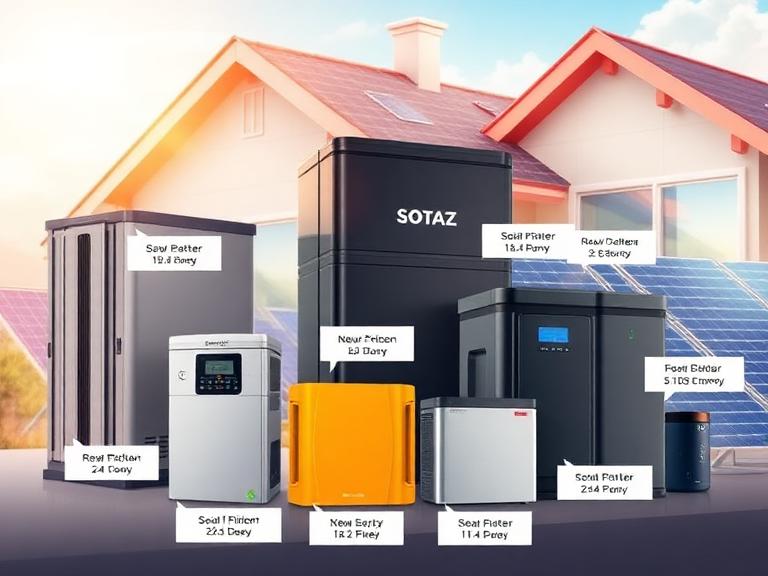
The following systems represent the pinnacle of energy storage engineering in 2026. We have categorized them based on capacity, inverter integration, and specific use cases to help you identify the Best solar battery backup system for home applications tailored to your exact load requirements.
2.1 China Moneypro MP-ESA Series 3-10kW/5-48kWh Single Phase Home Storage Solution
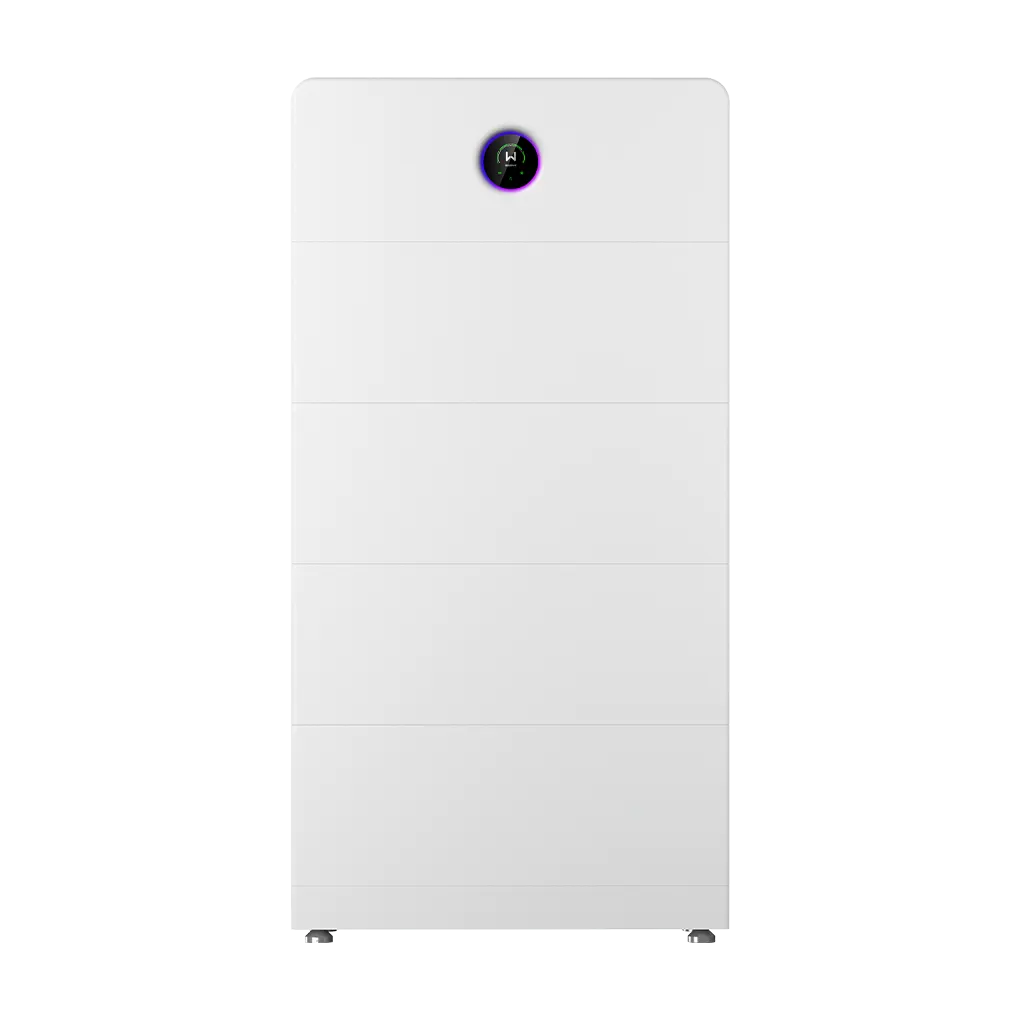
The China Moneypro MP-ESA Series represents an apex engineering achievement for comprehensive residential power management. When clients ask us for the absolute Best solar battery backup system for home use that scales with their growing energy needs, we recommend this all-encompassing solution. It seamlessly bridges high-yield photovoltaic generation with massive storage reservoirs, spanning from 5kWh up to a formidable 48kWh capacity.
What elevates the MP-ESA series into the top tier is its precision engineering across multiple inverter configurations. Operating at a battery voltage range of 350 to 550V, this high-voltage architecture minimizes transmission losses. Depending on the specific model (GW3K-EHA-G20 through GW10K-EHA-G20), the system offers a Backup Nominal Apparent Power ranging from 3000 VA to 10000 VA. This means during a grid failure, the system provides full backup support, seamlessly powering heavy inductive loads like HVAC systems and well pumps. With an IP66 protection rating, it supports versatile outdoor and indoor placements, utilizing a smart Energy Management System (EMS) to optimize time-of-use tariffs automatically.
| Parameter | GW3K-EHA-G20 | GW5K-EHA-G20 | GW6K-EHA-G20 | GW8K-EHA-G20 | GW10K-EHA-G20 |
|---|---|---|---|---|---|
| Battery Voltage Range (V) | 350–550 | 350–550 | 350–550 | 350–550 | 350–550 |
| Max. Continuous Charging Current (A) | 11.9 | 19.8 | 23.7 | 31.6 | 35.6 |
| Max. Continuous Discharging Current (A) | 8.7 | 14.5 | 17.4 | 23.2 | 29.0 |
| Max. Apparent Power to Grid (VA) | 3000 | 5000 | 6000 | 8000 | 10000 |
| Backup Nominal Apparent Power (VA) | 3000 | 5000 | 6000 | 8000 | 10000 |
Note: Typical values; specific configurations may vary by region and model.
2.2 China Moneypro MP-5.12kWh SBS050 Residential High Voltage LFP Battery
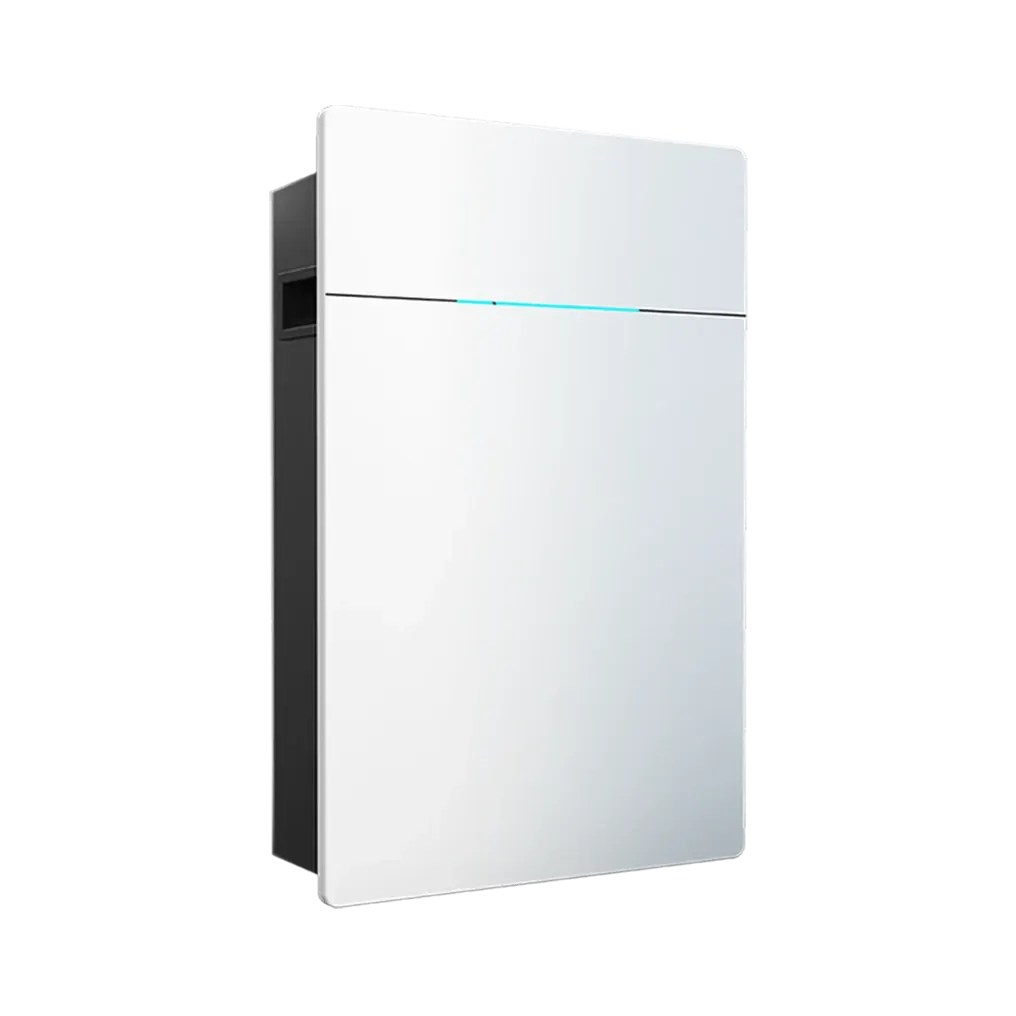
For homeowners seeking a modular approach, the MP-5.12kWh SBS050 is the Best solar battery backup system for home retrofits. This unit delivers 5.12 kWh of usable energy per block and utilizes a high-voltage design (nominal 102.4V) that operates efficiently between 86.4V and 116.8V. High voltage translates directly to thinner cabling, less heat generation, and superior inverter conversion rates.
From our experience, flexibility in installation is critical. We engineered the SBS050 to be both wall and floor mountable via a plug-and-play interface. It handles a massive 50A maximum charge/discharge current, ensuring it can absorb rapid solar spikes and discharge heavily when large appliances are activated. Scalable up to roughly 20.48 kWh (1–4 units in parallel) and protected by an IP55 / C5 casing, this LFP battery offers seamless switchover during grid outages and integrates flawlessly into cloud-connected systems for remote monitoring.
2.3 High-Capacity AC-Coupled Smart Storage
An AC-coupled architecture is often considered the Best solar battery backup system for home setups that already have a functioning string inverter installed. These systems feature an internal battery inverter that converts the AC power generated by the existing solar system back into DC power for storage. While they suffer a slight “round-trip” efficiency loss due to the double conversion, their primary advantage is universally seamless retrofitting without tearing down existing infrastructure.
2.4 Modular DC-Coupled Battery Tower
DC-coupled systems dominate new installations because they feed DC solar energy directly into the battery before any AC conversion occurs, yielding up to 98% efficiency. The tower configuration is highly favored for saving floor space. By stacking 3kWh to 5kWh LFP modules vertically, users can build a custom tower. We recommend this structural design for garages with limited horizontal wall space, making it a highly practical Best solar battery backup system for home integration.
2.5 Liquid-Cooled Outdoor Storage System
Extreme climates require extreme thermal management. While most residential systems rely on passive heat sinks or active fan cooling, liquid-cooled systems push a chilling fluid through micro-channels surrounding the battery cells. If your property is located in a desert region experiencing ambient temperatures above 110°F, a liquid-cooled unit is arguably the Best solar battery backup system for home preservation, ensuring the LFP cells never exceed their optimal operational thermal threshold.
2.6 Off-Grid Heavy Duty LFP Bank
For rural properties entirely disconnected from the municipal grid, the requirements for the Best solar battery backup system for home use shift drastically. These systems must prioritize massive surge capacities (often exceeding 12,000 watts) to start heavy well pumps and compressors. Off-grid LFP banks are typically wired in 48V low-voltage configurations for maximum parallel scalability, allowing homeowners to build massive 60kWh+ arrays capable of sustaining the home through multiple days of heavy cloud cover.
2.7 Smart Panel Integrated Storage
The evolution of energy storage now includes integration with smart electrical panels. Rather than backing up a static sub-panel of “essential loads,” these systems communicate directly with smart breakers. During an outage, the homeowner can use an app to dynamically toggle which appliances receive power from the battery. This intelligent load shedding extends the runtime drastically, making smart panel setups a top contender for the Best solar battery backup system for home optimization.
2.8 Compact 5kWh Stackable Unit
Not every home requires a massive 20kWh array. For smaller urban dwellings or apartments with limited solar real estate, a compact 5kWh stackable unit is ideal. These systems are designed to provide just enough power to keep refrigerators running, internet routers online, and critical medical devices powered overnight. Their low cost of entry and easy expansion path make them the Best solar battery backup system for home buyers on a strict budget.
2.9 Hybrid Inverter + Low Voltage Battery Combo
A hybrid inverter handles both the solar panel input and the battery charging simultaneously. When paired with standard 48V (low voltage) server-rack style LFP batteries, this combination offers an incredibly cost-effective DIY-friendly approach. While high voltage systems like our MP-ESA series are superior for massive power output, the 48V hybrid combo remains a highly popular Best solar battery backup system for home enthusiasts looking to build and maintain their own micro-infrastructure.
2.10 Whole-Home Microgrid Backup System
At the highest end of the spectrum is the whole-home microgrid. These systems bypass the concept of a sub-panel entirely. Placed between the utility meter and the main breaker panel, they possess a massive 200A pass-through capability. When the grid fails, a heavy-duty automatic transfer switch isolates the house, and a 30kWh+ battery bank seamlessly takes over the entire 200A panel. For luxury estates, this zero-compromise approach is definitively the Best solar battery backup system for home resilience.
3. Sizing the Best Solar Battery Backup System for Home Needs
Selecting the correct capacity requires a meticulous audit of your critical loads. From our experience, purchasing an undersized battery leads to system tripping during surge events (like an AC unit starting), while oversizing wastes capital. We recommend calculating your overnight kilowatt-hour (kWh) consumption. A typical modern home uses between 10 to 15 kWh from sundown to sunrise. Therefore, a system like pairing three MP-5.12kWh SBS050 units (yielding 15.36 kWh) provides an optimal safety buffer for complete nighttime energy independence.
4. Summary Comparison Table
| System Configuration | Ideal Use Case | Voltage Architecture | Key Engineering Advantage |
|---|---|---|---|
| China Moneypro MP-ESA Series | Whole-home hybrid backup & peak shaving | High Voltage (350-550V) | Up to 48kWh scalability with 10kVA continuous output. |
| China Moneypro SBS050 Battery | Modular retrofits & custom scaling | High Voltage (102.4V) | IP55 rated, 50A continuous charge/discharge per unit. |
| AC-Coupled Smart Storage | Adding batteries to existing solar | Internal Conversion | No need to replace legacy string inverters. |
| Liquid-Cooled Storage | Extreme desert climates | High/Low Voltage | Active thermal management prevents LFP degradation. |
| Smart Panel Integrated | Dynamic load management | Variable | App-controlled load shedding extends backup duration. |
5. Frequently Asked Questions (FAQs)
What is the expected lifespan of the Best solar battery backup system for home use?
If the system utilizes premium Lithium Iron Phosphate (LFP) chemistry, as seen in China Moneypro products, you can expect a lifespan of 6,000 to 8,000 cycles. Depending on daily usage, this translates to 15 to 20 years of reliable operation before the battery degrades to 80% of its original capacity.
Why is a high-voltage system better than a 48V low-voltage system?
From our experience engineering advanced inverters, high-voltage systems (like our 350-550V MP-ESA series) allow the hybrid inverter to operate much closer to the natural voltage of the solar panel array. This drastically reduces the energy lost during DC-to-DC conversion, requires thinner wiring, and generates significantly less waste heat compared to stepping power down to 48V.
Can I run my central air conditioning during a grid outage?
Yes, provided your system has sufficient continuous discharging current and inverter capacity. The Best solar battery backup system for home HVAC usage must have a high Apparent Power rating. For example, our GW10K-EHA-G20 inverter provides 10000 VA of backup power, which is more than capable of handling the high inrush currents required to start a 3-ton to 4-ton central air conditioning compressor.
6. Industry References
To further explore the engineering standards, safety testing, and grid compliance regulations surrounding residential energy storage, we recommend consulting the following authoritative bodies: