Solar Panels and Battery Cost Per Month USA 2026
Authored by China MoneyPro Energy — A technology-driven developer of advanced energy storage systems and intelligent power solutions. Built upon a strong heritage of national-level research institutes, China MoneyPro Energy integrates advanced research, system engineering, and industrial manufacturing capabilities originating from China’s aerospace and defense technology ecosystem to develop next-generation energy storage solutions for the global energy infrastructure.
As the United States power grid faces unprecedented strain in 2026, the transition toward decentralized, resilient home energy systems has accelerated at a staggering pace. Utility rates have surged nationwide, propelled by aging infrastructure upgrades and volatile natural gas prices. Consequently, homeowners and facility managers are no longer viewing renewable energy simply as an environmental initiative; it is a vital financial strategy. Understanding the precise Solar panels and battery cost on a monthly basis is the most critical step in evaluating this transition.
From our experience engineering high-reliability systems for demanding environments, we recognize that the integration of energy storage is no longer optional. Regulatory shifts, such as Net Energy Metering (NEM) 3.0 in California and similar policies rolling out across other states, have drastically reduced the compensation for exporting excess solar energy back to the grid. To achieve a functional return on investment, capturing and storing your own power is mandatory. In this comprehensive guide, we will dissect the variables that dictate the Solar panels and battery cost in 2026, providing a clear roadmap for financing, system sizing, and selecting the optimal technology for your energy independence.
Table of Contents
- 1. The 2026 Market Shift: Why Storage is Mandatory
- 2. Breaking Down the Solar Panels and Battery Cost
- 3. Analyzing the Solar Panels and Battery Cost Per Month
- 4. The Impact of Federal Tax Incentives in 2026
- 5. Tailored Solutions for Diverse Energy Demands
- 6. Summary Table: Monthly Cost Projections
- 7. Frequently Asked Questions (FAQs)
- 8. Authoritative References
1. The 2026 Market Shift: Why Storage is Mandatory
The calculation of the Solar panels and battery cost has fundamentally changed over the last five years. Previously, the grid acted as a virtual battery for solar owners. You exported power during the day and retrieved it at night at a 1-to-1 retail credit. Today, time-of-use (TOU) utility rates punish consumers who draw power during peak evening hours. If you rely solely on solar panels without storage, your financial savings will be severely bottlenecked.
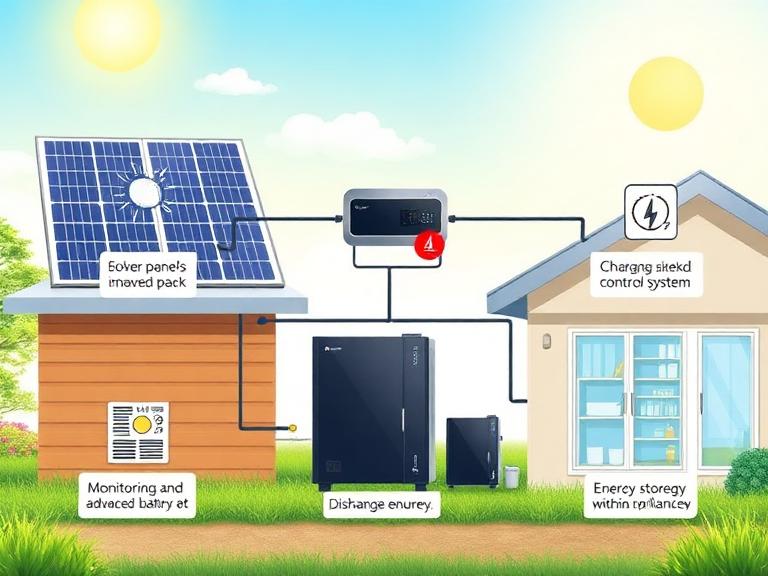
We recommend approaching your energy system as a microgrid. By incorporating robust battery storage, your home or business absorbs the solar energy generated at noon and deploys it at 7:00 PM when utility rates peak. This practice, known as peak shaving or rate arbitrage, is precisely why the combined Solar panels and battery cost is the only metric that matters in 2026. Furthermore, with grid outage events increasing due to severe weather patterns, a coupled system provides critical backup power, ensuring your essential appliances remain operational during extended blackouts.
2. Breaking Down the Solar Panels and Battery Cost
To accurately project your monthly financial commitment, it is necessary to dissect the gross system expenses before applying financing terms. The total Solar panels and battery cost consists of hardware, installation labor, permitting, and grid interconnection fees.
2.1 Solar Photovoltaic Hardware Costs
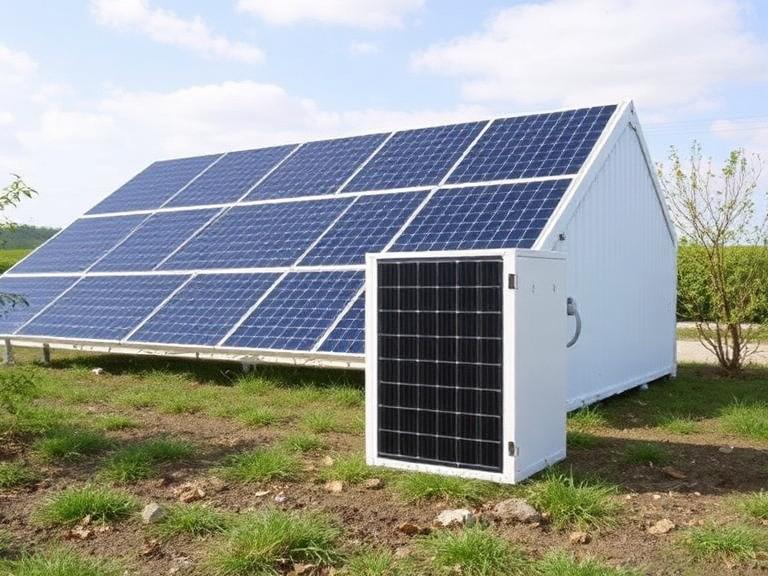
In 2026, the average American home requires a solar array ranging from 7 kilowatts (kW) to 10 kW to offset 100% of its electrical consumption. The national average cost for solar installation currently sits at approximately 2.90 to 3.20 per watt before incentives. Therefore, a standard 8 kW solar system will carry a gross cost of roughly 23,200 to 25,600. While panel efficiency has improved, soft costs such as labor and permitting constitute a significant portion of this price tag.
2.2 Advanced Energy Storage Costs
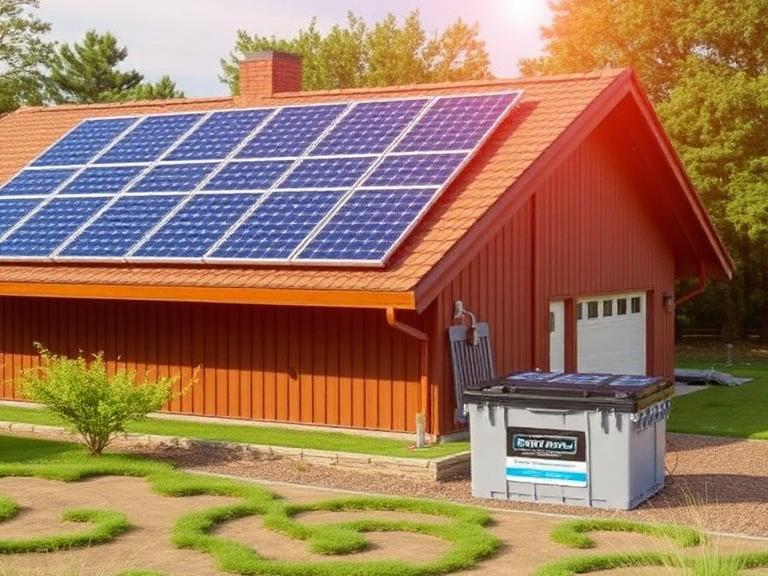
Energy storage systems have benefited immensely from scale manufacturing, particularly Lithium Iron Phosphate (LiFePO4) chemistries, which China MoneyPro Energy utilizes heavily due to their exceptional thermal stability and extended cycle life. A standard residential battery system typically offers 10 to 15 kilowatt-hours (kWh) of usable capacity. The gross cost for a single 10 kWh battery, including an integrated hybrid inverter and installation labor, ranges from 10,000 to 13,000 in 2026.
When you combine these figures, the gross upfront Solar panels and battery cost for a typical American residence ranges between 33,200 and 38,600. While this initial figure appears substantial, the vast majority of consumers transition to renewable energy through monthly financing instruments that immediately replace their existing utility bill.
3. Analyzing the Solar Panels and Battery Cost Per Month
The core objective of adopting renewable energy is to ensure that your new monthly Solar panels and battery cost is lower than, or equal to, your historical utility bill, effectively locking in your energy rate and protecting you from future utility price hikes. In 2026, consumers generally choose between two primary financing vehicles: Solar Loans and Power Purchase Agreements (PPAs) / Leases.
From our experience, ownership through a solar loan is the most financially advantageous route for those who qualify for tax credits. Assuming a gross Solar panels and battery cost of 35,000, the 30% Federal Investment Tax Credit (ITC) reduces the net system cost to 24,500. If financed over a 20-year term at a standard 2026 solar interest rate of 6.99%, the monthly Solar panels and battery cost will average between 185 and 205.
Considering that the average residential electricity bill in many regions now exceeds 220 per month and escalates annually by 4% to 6%, replacing a volatile utility bill with a fixed 195 monthly payment yields immense long-term savings. Conversely, if a homeowner opts for a Lease or PPA, a third-party financier owns the system and absorbs the tax credit. The homeowner simply pays a fixed monthly rate for the energy generated. In these arrangements, the monthly Solar panels and battery cost typically ranges from 160 to 190, requiring zero money down, but sacrificing the long-term equity of ownership.
4. The Impact of Federal Tax Incentives in 2026
We cannot discuss the Solar panels and battery cost without emphasizing the critical role of federal and state incentives. Under the Inflation Reduction Act, the Federal Investment Tax Credit (ITC) remains at 30% through 2032. This credit applies to both the solar photovoltaic hardware and the battery storage system, even if the battery is retrofitted to an existing solar array.
To realize the lowest possible monthly Solar panels and battery cost, consumers must actively apply this 30% credit toward their loan principal within the first 18 months of their financing agreement. Most solar lenders structure their loans to assume this principal paydown will occur. If the tax credit is not injected back into the loan, the monthly payment will automatically re-amortize to a higher rate. We recommend consulting with a licensed tax professional to ensure you have sufficient tax liability to capture the full 30% benefit in a single year.
5. Tailored Solutions for Diverse Energy Demands
Not every energy requirement fits the standard residential profile. Our heritage in aerospace and high-reliability defense engineering ensures that China MoneyPro Energy delivers highly specialized configurations capable of sustaining mission-critical infrastructure. The scale of your property directly dictates the overarching Solar panels and battery cost.
- Suburban Residences: For standard home integration, our Solar + Energy Storage Solution provides a seamless, aesthetically refined package that minimizes grid reliance and optimizes daily rate arbitrage.
- Remote and Rural Estates: When utility grid connection is impossible or highly unreliable, generating and storing 100% of your own power is mandatory. We recommend deploying our robust Off-Grid Power Solution to guarantee continuous electrification.
- Commercial Facilities: Business operations face severe demand charges from utility companies. Mitigating these demand spikes requires massive energy reserves. Our Commercial Energy Storage Solution and Industrial Energy Storage Solution are engineered to provide maximum load shifting, drastically reducing operational overhead.
- Community and Campus Power: For localized energy independence across multiple buildings, the deployment of a Microgrid Energy Solution ensures autonomous, secure energy distribution.
- Modern Transportation Infrastructure: As electric vehicle adoption scales, localized grid stress increases. Integrating solar and storage with our EV Charging Infrastructure Solution prevents grid overload while delivering clean power directly to vehicles.
6. Summary Table: Monthly Cost Projections
To provide immediate clarity, we have synthesized the typical financial parameters associated with the Solar panels and battery cost in 2026 into a standardized reference matrix. Please note that exact figures will vary based on regional labor rates and specific property shading factors.
| System Configuration | Gross Hardware & Install Cost | Net Cost (After 30% Tax Credit) | Estimated Monthly Loan Payment (20 Yrs @ 6.99%) | Ideal Application |
|---|---|---|---|---|
| Small System (5 kW Solar + 10 kWh Battery) | 25,000 | 17,500 | 135 – 150 | Low energy consumption, high efficiency homes. |
| Standard System (8 kW Solar + 15 kWh Battery) | 36,000 | 25,200 | 190 – 210 | Average US household, comprehensive peak shaving. |
| Large System (12 kW Solar + 20 kWh Battery) | 48,000 | 33,600 | 255 – 280 | Homes with EVs, pools, or high HVAC demands. |
| Off-Grid System (15 kW Solar + 40 kWh Battery) | 75,000+ | 52,500+ | 400+ | Remote locations without utility grid access. |
7. Frequently Asked Questions (FAQs)
Does the Solar panels and battery cost increase if I have a complex roof architecture?
Yes. From our experience, steep roof pitches, multiple dormers, or the requirement of ground-mounted trenching will escalate installation labor costs. Additionally, older homes may require a main electrical panel upgrade to handle the backfeed of the new solar and storage system, which can add 2,500 to 4,000 to the total project cost.
Will my monthly Solar panels and battery cost ever increase over the 20-year loan term?
If you secure a fixed-rate solar loan and successfully apply the 30% federal tax credit to your principal within the required timeframe, your monthly payment will remain static for the entire 20-year duration. This fixed cost is the primary financial advantage over volatile utility company pricing.
How long do the batteries last before needing replacement?
Modern energy storage systems utilizing Lithium Iron Phosphate (LiFePO4) chemistry are engineered for extreme longevity. You can expect a cycle life of 6,000 to 8,000 cycles, which translates to a functional lifespan of 12 to 15 years before the battery degrades to 70% of its original capacity. Most top-tier manufacturers back this with a comprehensive 10-year warranty.
8. Authoritative References
To further validate the economic projections and technical specifications surrounding energy infrastructure in 2026, we encourage our readers to consult the following authoritative government and academic resources: