2026 Expert Guide: How Much Does a 200 kWh Battery Storage Cost?
Navigating the commercial energy storage market requires ruthless financial calculation and an understanding of highly technical hardware. For facility managers and business owners, evaluating the exact 200 kWh battery storage cost in 2026 is no longer about simply sourcing raw lithium cells—it is about procuring a fully integrated, grid-compliant energy asset. As utility providers continue to impose punishing peak demand charges and grid volatility threatens operational uptime, mid-sized businesses are aggressively pivoting to commercial battery energy storage systems (BESS).
Before you pull the trigger on a purchase, understanding the true 200 kWh battery storage cost is absolutely essential. How much should this infrastructure actually cost you? What hidden installation fees are you ignoring? And most importantly, how do you avoid overpaying for underperforming, uncertified hardware?
Quick Answer: The 2026 Pricing Baseline
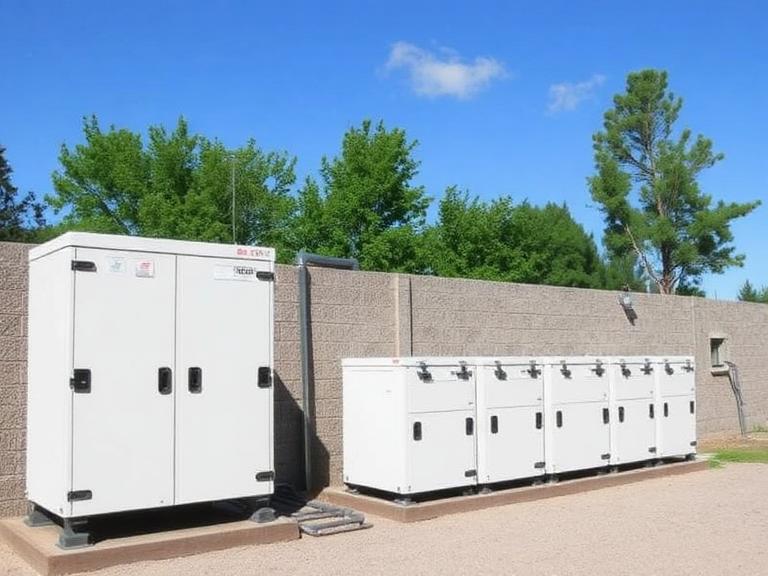
In most professional situations, a fully commissioned and installed 200 kWh battery storage cost ranges from $56,000 to $84,000 in the North American market. This equates to a system-level price of approximately $280 to $420 per kWh. The final capital expenditure is heavily dictated by your choice of cell chemistry (specifically Lithium Iron Phosphate), the inclusion of the Power Conversion System (PCS), and the complexities of local site preparation. When analyzing a 200 kWh battery storage cost, do not be deceived by factory-direct hardware quotes that exclude the engineering, permitting, and grid interconnection fees—these vital integration steps can easily add 15% to 20% to your total project cost.
Table of Contents
- What It Is: The Commercial 200 kWh Storage System
- How It Works: Arbitrage and Peak Shaving
- The True Cost: 2026 Financial Breakdown
- The Hidden Costs of EPC
- Financial and Operational Benefits
- Limitations and Bureaucratic Friction
- Who Should Use It vs. Who Does Not Need It
- Common Procurement Mistakes
- Critical Buying Considerations
- Expert Recommendation
- Frequently Asked Questions
What It Is: The Commercial 200 kWh Storage System
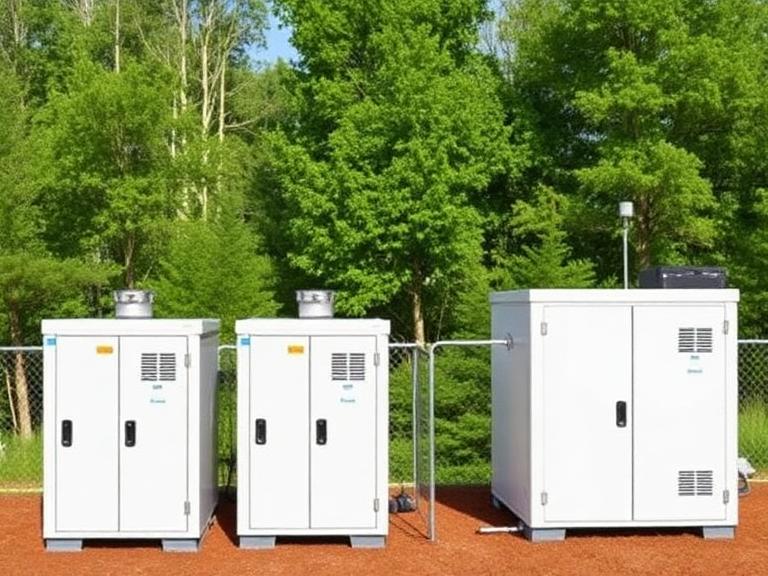
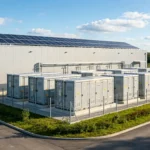
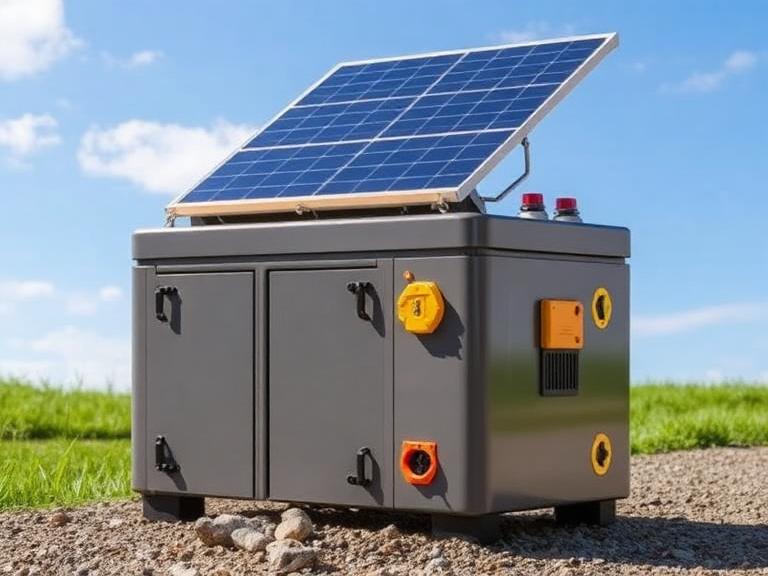
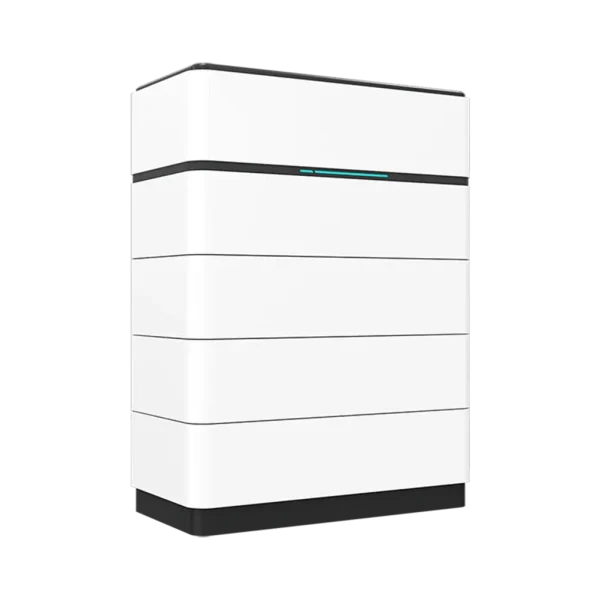
A 200 kWh storage unit represents the critical sweet spot for commercial power management. This is not a scaled-up residential wall battery, nor is it a massive utility-grade shipping container. It is a highly dense, purpose-built outdoor cabinet engineered to interface directly with 480V three-phase commercial electrical services.
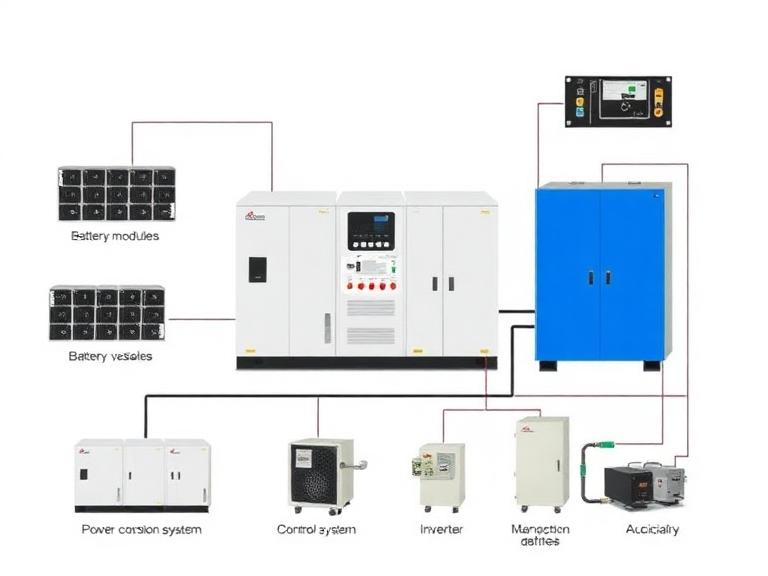
At its core, the system houses heavy-duty, A-grade battery modules. However, the true value of the system lies in its peripheral technology. A commercial-grade unit includes active fire suppression systems, industrial HVAC or liquid-cooling loops to maintain optimal cell temperatures, and an intelligent Battery Management System (BMS) that actively balances voltages across hundreds of individual lithium cells. These cabinets are typically rated IP54 or IP65, built to withstand extreme outdoor environmental conditions while delivering continuous, heavy-duty cycling.
How It Works: Arbitrage and Peak Shaving
The primary financial mechanism of a commercial battery is not just storing solar power; it is manipulating exactly how and when you buy power from the utility. Through a heavy-duty Hybrid Inverter, the BESS continuously monitors your facility’s real-time energy consumption.
When your manufacturing floor spins up heavy machinery or your HVAC systems engage, your facility’s energy draw spikes dramatically. Utilities penalize these unpredictable spikes with massive “demand charges” that can easily account for up to 50% of a commercial electricity bill. The 200 kWh battery detects this load spike in milliseconds and discharges its stored energy to shoulder the burden, effectively hiding the spike from the utility meter. This automated process, known as peak shaving, is exactly how the 200 kWh battery storage cost pays for itself.
Additionally, the system performs energy arbitrage—charging late at night when wholesale electricity rates are pennies per kilowatt-hour, and discharging during the afternoon peak when rates quadruple. This guarantees you are always utilizing the cheapest possible energy.
The True Cost: 2026 Financial Breakdown
To accurately project your ROI, you must break down the individual components that comprise the total 200 kWh battery storage cost. While bare lithium-ion cell prices have dropped significantly to around $70-$108 per kWh in 2025/2026, the cells only represent about 40% to 50% of a functioning system. You are also paying for critical electronics and physical infrastructure.
| System Component | Estimated Cost Range | Impact on Overall Project |
|---|---|---|
| Battery Modules (LFP) | $22,000 – $35,000 | Determines your total cycle life and primary safety profile. Tier-1 A-Grade cells are strictly required. |
| Inverter / PCS | $10,000 – $18,000 | Required for AC coupling and grid synchronization. Excluded from many “cheap” quotes. |
| BMS & Thermal Management | $4,000 – $8,000 | Liquid cooling is highly recommended in 2026 to prevent localized thermal degradation. |
| Installation, Permitting & EPC | $10,000 – $23,000 | Varies heavily by regional labor rates and local utility interconnection hurdles. |
| Total 200 kWh Battery Storage Cost | $56,000 – $84,000 | Fully commissioned and grid-compliant system. |
The Hidden Costs of EPC (Engineering, Procurement, Construction)
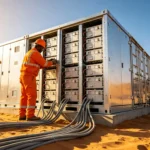
When evaluating the 200 kWh battery storage cost, commercial buyers frequently underestimate the sheer scale of site preparation required. In most professional situations, dropping a 3,000-pound lithium cabinet onto your property requires specialized rigging, crane rentals, and reinforced concrete trenching for high-voltage DC lines.
Local utility providers will demand extensive interconnection studies to ensure your system does not destabilize the local grid during a rapid discharge event. Furthermore, if your facility’s existing switchgear is outdated, upgrading your electrical panels to safely integrate the battery’s inverter can easily add $10,000 to $25,000 to the project. Therefore, an accurate estimate of your final 200 kWh battery storage cost must always include a contingency budget strictly for these EPC complexities.
Financial and Operational Benefits
From our experience, the benefits of deploying a system of this caliber extend far beyond basic backup power. You are fundamentally altering your facility’s operational risk profile.
- Aggressive Demand Charge Eradication: By flattening your facility’s load profile, you immediately slash the most expensive, unpredictable line items on your monthly utility bill.
- Federal Tax Incentives: In the United States, commercial energy storage qualifies for the 30% Investment Tax Credit (ITC). This powerful incentive directly offsets the initial 200 kWh battery storage cost, potentially shaving tens of thousands of dollars off your upfront capital expenditure.
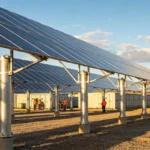
- Microgrid Foundation: For facilities looking to achieve total grid independence, a 200 kWh cabinet is the ideal anchor. It pairs seamlessly with a broader Microgrid Energy Solution, integrating diesel generators and solar canopies into a unified network.
- Uninterruptible Operations: Unlike mechanical generators that take precious seconds to spool up, battery systems transition to backup mode instantaneously, protecting sensitive machining equipment and data servers from momentary voltage sags.
Limitations and Bureaucratic Friction
We believe in practical commercial judgment, which means acknowledging the hurdles inherent in battery deployment. The most significant limitation is not the hardware technology, but the bureaucratic red tape.
The upfront 200 kWh battery storage cost remains a substantial hurdle for cash-strapped businesses, even with rapid 4-to-6 year ROI models. Interconnection agreements with local utilities can take three to nine months to secure, delaying deployment. You must also navigate stringent fire codes; local Authorities Having Jurisdiction (AHJs) increasingly require strict adherence to NFPA 855 standards, which dictate exact spatial clearances between the battery cabinet, property lines, and your building infrastructure.
Who Should Use It vs. Who Does Not Need It
For commercial users: We recommend a 200 kWh capacity for mid-market industrial users. If you operate a cold-storage warehouse, a medium-sized manufacturing facility, an automotive dealership with multiple EV fast-charging stations, or a large retail supermarket, this is your ideal hardware. For businesses struggling with volatile time-of-use (TOU) rates, deploying this system as part of a dedicated C&I Energy Storage System yields immediate, measurable financial returns.
For beginners and heavy industry: If you are a small business owner operating a boutique shop with a basic HVAC load, spending upwards of $60,000 is an abysmal misallocation of capital. A much smaller 30 kWh system will easily handle your load. Conversely, if you are powering a massive data center or an industrial smelting plant, a 200 kWh unit will be drained in minutes. For heavy-duty applications at the megawatt scale, you must look past cabinet systems and directly procure a customized Utility Scale Energy Storage System.
| System Feature | 50 kWh System | 200 kWh System | 1 MWh (1,000 kWh) System |
|---|---|---|---|
| Target Audience | Small retail, light office spaces | Mid-sized factory, EV charging, supermarkets | Heavy industry, utility grids, massive campuses |
| Average Cost per kWh | $350 – $700 | $280 – $420 | $210 – $280 |
| Total Installed Cost | $17,500 – $35,000 | $56,000 – $84,000 | $210,000 – $280,000 |
| Physical Footprint | Wall-mount or small rack | Single large outdoor cabinet | 20ft to 40ft containerized unit |
Common Procurement Mistakes
In our testing and extensive market observation, we consistently see procurement managers make critical errors that inflate their long-term costs.
First, they focus exclusively on the raw battery pack price. Because bare lithium cells have plummeted in price, buyers mistakenly assume a total 200 kWh battery storage cost should only be $25,000. They completely ignore the essential costs of the thermal management systems, the power conversion system (PCS), hazardous shipping fees, and site integration labor.
Second, buyers often fail to verify cell grading. Purchasing B-grade cells will artificially lower your initial 200 kWh battery storage cost, but these cells suffer from rapid capacity fade. Within three years, your 200 kWh system may only hold 150 kWh of usable energy, completely destroying your peak-shaving calculations and ruining your ROI.
Critical Buying Considerations
When negotiating your 200 kWh battery storage cost, you must demand full technical transparency from your manufacturer. Ensure your hardware meets the following benchmarks.
| Consideration | What to Look For | Why It Matters for Your 200 kWh Battery Storage Cost |
|---|---|---|
| Cell Chemistry | Lithium Iron Phosphate (LiFePO4 / LFP) | Delivers 6,000 to 10,000 cycles; vastly superior lifespan and thermal safety compared to older NMC chemistries. |
| Thermal Management | Liquid-Cooled Architecture | While it adds a slight premium to the total 200 kWh battery storage cost, liquid cooling prevents localized thermal runaway and extends cell life. |
| Safety Certifications | UL 1973, UL 9540, IEC 62619 | Mandatory for grid interconnection and commercial property insurance. Uncertified systems are a massive liability. |
| System Integration | All-in-One (Battery + PCS + BMS) | Slashes on-site EPC labor costs and guarantees software compatibility, ultimately lowering the final 200 kWh battery storage cost. |
Expert Recommendation
In most professional situations, treating commercial energy storage as a cheap commodity purchase is a recipe for operational disaster. You are not just buying a battery; you are buying a 15-year microgrid component. We recommend partnering directly with original equipment manufacturers who control the entire engineering stack—from the cell-level BMS to the overarching energy management software.
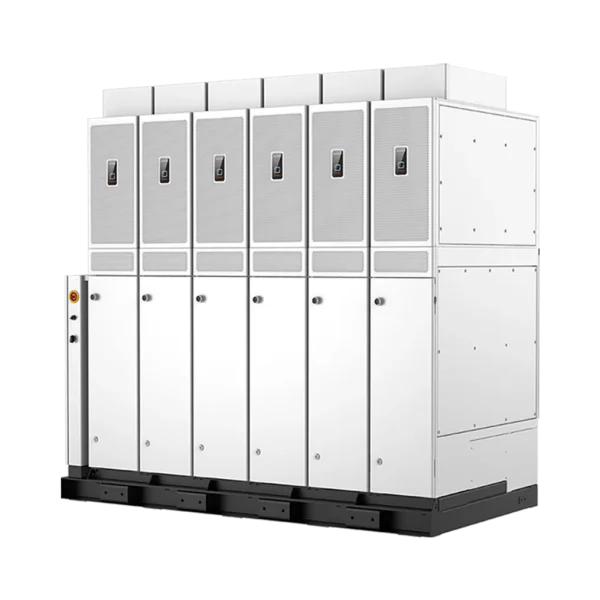
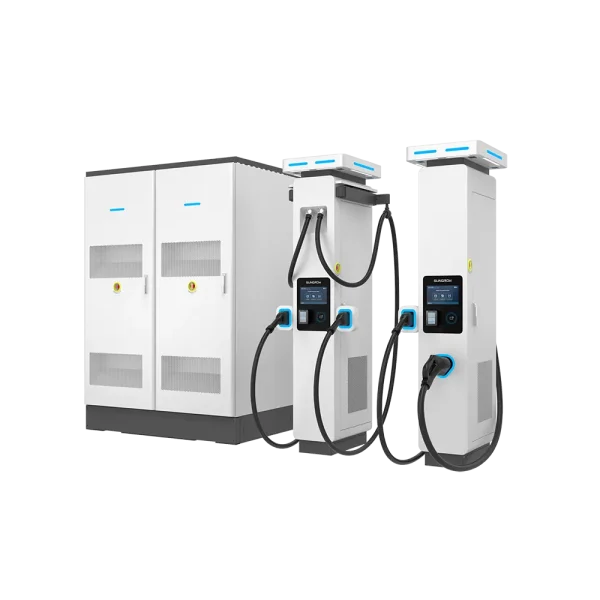
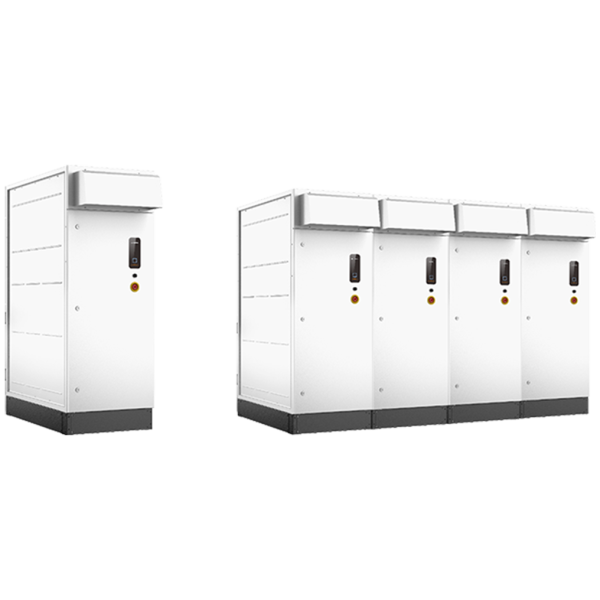
China MoneyPro Energy is a technology-driven developer of advanced energy storage systems and intelligent power solutions, built upon a strong heritage of national-level research institutes and decades of engineering experience in high-reliability systems. By utilizing our integrated C&I solutions, businesses achieve the optimal balance of safety, high performance, and upfront capital efficiency. Do not compromise your facility’s safety to save a fraction on your initial 200 kWh battery storage cost; invest in engineered reliability that guarantees your return on investment.
| Pros (Advantages) | Cons (Limitations) |
|---|---|
| Massive reduction in monthly utility demand charges. | High initial 200 kWh battery storage cost requires capital allocation. |
| Qualifies for lucrative federal tax credits (ITC). | Requires significant local permitting and fire safety compliance. |
| Provides seamless, instant backup for mission-critical operations. | Lithium cells undergo natural capacity degradation over 10-15 years. |
| Modular cabinet design allows for easy future capacity expansion. | Heavy hardware requires specialized rigging and concrete pads. |
Frequently Asked Questions
What is the average 200 kWh battery storage cost in 2026?
In 2026, a fully installed 200 kWh battery storage cost typically ranges from $56,000 to $84,000 in North America. This price comprehensively includes the high-grade lithium modules, the Battery Management System (BMS), the Power Conversion System (PCS), and standard local installation labor.
Does a 200 kWh commercial battery system qualify for federal tax credits?
Yes. In the United States, commercial energy storage systems qualify for the 30% Investment Tax Credit (ITC) through 2032. This powerful incentive directly offsets the initial 200 kWh battery storage cost, often returning over $20,000 in tax relief for a standard commercial deployment.
How long does a 200 kWh commercial battery last?
A Tier-1 Lithium Iron Phosphate (LiFePO4) 200 kWh system is designed to deliver between 6,000 to 10,000 cycles. Depending on how aggressively you cycle the system for peak shaving, this equates to a highly reliable operational lifespan of 10 to 15 years before the battery drops below 70% of its original capacity.
Authoritative References & Industry Standards
To ensure our cost models and engineering recommendations meet the highest global standards, we rely on data and guidelines from the following authoritative bodies:
- National Renewable Energy Laboratory (NREL) – Provides definitive cost projections and benchmark reporting for commercial, industrial, and utility-scale battery storage deployments.
- BloombergNEF – Delivers critical market data regarding historical and projected lithium-ion battery pack prices, establishing the baseline for global cell costs.
- Institute of Electrical and Electronics Engineers (IEEE) – Establishes the rigorous technical standards and safety protocols required for grid-tied energy storage systems and power conversion technologies.