4 Main Types of Solar Battery Chemistries for Modern Energy Storage
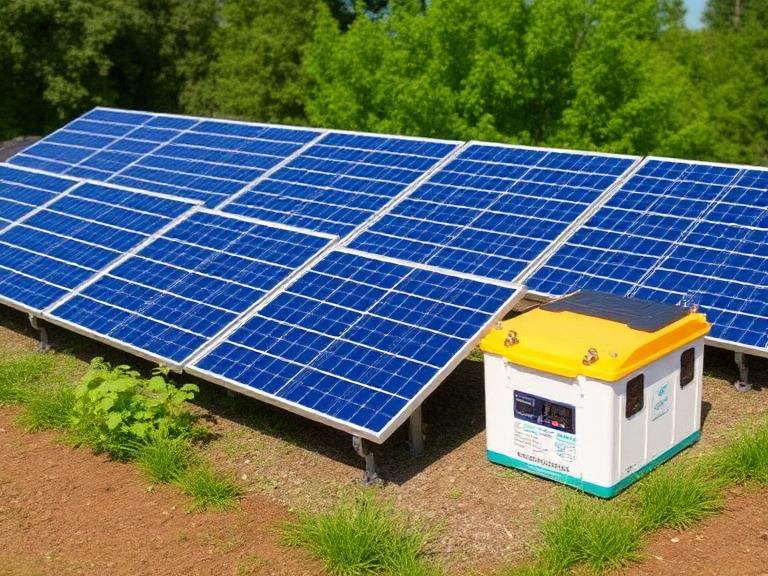
The global transition to renewable energy relies heavily on robust, efficient, and safe energy storage systems. As solar power generation continues to expand across residential, commercial, and utility-scale applications, the technology used to store that harvested energy dictates the reliability of the entire electrical grid. Evaluating the various types of solar battery chemistries is essential for project developers, installers, and end-users to ensure long-term performance, safety, and financial viability.
At China MoneyPro Energy, we operate as a technology-driven developer of advanced energy storage systems and intelligent power solutions. Originating from China’s aerospace and defense technology ecosystem, our engineering foundations are built upon decades of experience in high-reliability systems. With a presence serving over 110 countries, a dedicated workforce where 30% are focused exclusively on innovation, and a portfolio containing 338 patents and more than 1,100 certifications, we understand the rigorous demands placed on energy storage. From our experience, selecting the appropriate storage medium is the most critical decision in system design. In this comprehensive guide, we will analyze the primary types of solar battery chemistries available today, detailing their operational characteristics, safety profiles, and ideal use cases.
Table of Contents
1. The Evolution of Energy Storage Technology
Energy storage is not a new concept, but the scale and efficiency required for modern solar integration have necessitated rapid chemical advancements. Historically, off-grid solar arrays relied on heavy, high-maintenance storage solutions that suffered from short lifespans and severe depth-of-discharge limitations. As the global energy infrastructure shifted toward decentralization, the demand for high-density, low-maintenance power banks surged.
China MoneyPro Energy integrates advanced research, system engineering, and industrial manufacturing capabilities to develop next-generation energy storage solutions. We have observed firsthand how the market has shifted from rudimentary chemical storage to highly intelligent, software-managed lithium-ion ecosystems. To build a reliable microgrid or a resilient home backup system, one must deeply understand the thermal stability, cycle life, and degradation curves of the specific materials housed within the battery cells.
2. The Primary Types of Solar Battery Chemistries
When engineering an energy storage system, the internal chemical composition dictates how the battery will respond to heat, deep cycling, and rapid charging. Below, we dissect the main types of solar battery chemistries utilized in the current market.
Lithium Iron Phosphate (LiFePO4 / LFP)
Lithium Iron Phosphate, commonly abbreviated as LFP, has emerged as the absolute gold standard for stationary energy storage. Among all the types of solar battery chemistries, LFP offers the highest degree of thermal stability. The strong covalent bonds between the iron, phosphorus, and oxygen atoms prevent the release of oxygen even under extreme thermal stress, virtually eliminating the risk of thermal runaway and battery fires.
We recommend LFP chemistry for residential and commercial solar installations due to its exceptional cycle life. A high-quality Lithium Battery Pack utilizing LFP cells can comfortably exceed 6,000 to 8,000 cycles at a deep 80% to 90% Depth of Discharge (DoD). While it possesses a slightly lower energy density by weight compared to other lithium variants, stationary solar storage does not require the ultra-lightweight metrics demanded by mobile electronics. The tradeoff for unparalleled safety, environmental non-toxicity (containing no heavy metals like cobalt), and decades of reliable service makes LFP our premier choice for global deployments.
Lithium Nickel Manganese Cobalt (NMC)
NMC batteries utilize a cathode composed of nickel, manganese, and cobalt. This chemistry is highly prized in the electric vehicle industry because it offers a very high specific energy density. This means you can store more energy in a smaller, lighter physical footprint.
However, from our experience engineering high-reliability systems, NMC chemistry introduces significant thermal management challenges when used for stationary solar storage. The presence of cobalt lowers the thermal runaway threshold. If the system is overcharged or subjected to extreme environmental heat, the cells can become volatile. While sophisticated cooling systems can mitigate these risks, the inherent chemical instability and the shorter cycle life (typically 2,000 to 3,000 cycles) make NMC less favorable for daily, deep-cycle solar applications compared to LFP.
Lead-Acid (AGM and Gel)
For over a century, lead-acid technology was the only viable option for storing electrical energy. Even today, when categorizing the types of solar battery chemistries, absorbent glass mat (AGM) and Gel lead-acid variants maintain a presence in low-budget, off-grid cabin setups. They are incredibly inexpensive upfront and function reliably in moderate climates.
Despite the low initial capital expenditure, lead-acid systems are highly inefficient for modern solar demands. They suffer from a severe Depth of Discharge limitation; discharging a lead-acid bank below 50% of its capacity will permanently damage the internal lead plates and drastically shorten its lifespan, which already hovers around a mere 500 to 1,000 cycles. Furthermore, they are heavy, bulky, and require careful ventilation due to off-gassing risks. We strongly advise against deploying lead-acid systems for long-term, grid-interactive solar arrays where levelized cost of storage (LCOS) is the primary economic driver.
Emerging Technologies: Sodium-Ion
As the industry looks toward the future, sodium-ion technology is rapidly moving from the laboratory to the production floor. Sodium is globally abundant, environmentally benign, and significantly cheaper to extract than lithium. The chemical mechanics are similar to lithium-ion, but sodium ions are physically larger, which currently limits their energy density.
While not yet completely dominant in the commercial sector, sodium-ion represents one of the most exciting types of solar battery chemistries on the horizon. It exhibits excellent performance in sub-zero temperatures and holds immense promise for utility-scale grid stabilization projects where physical footprint is secondary to raw cost and material availability.
3. System Architecture: Managing Battery Chemistries
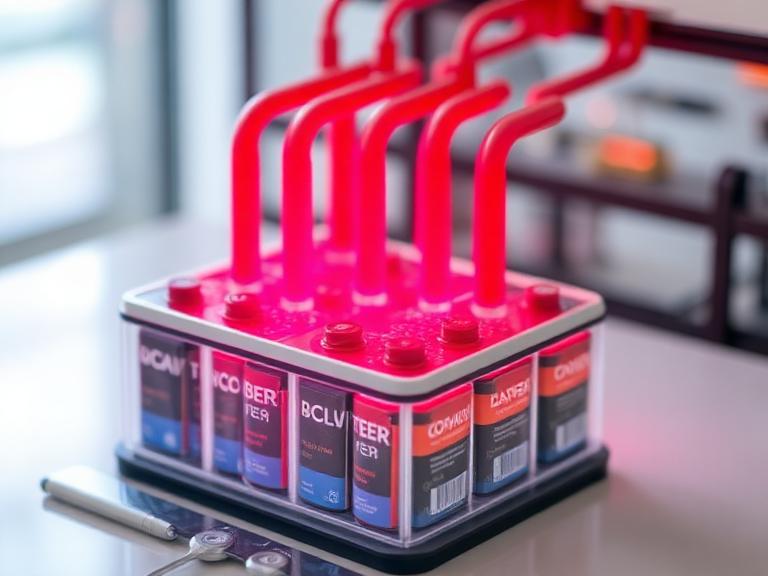
Regardless of which chemical makeup you deploy, raw battery cells cannot function safely or efficiently without an advanced electronic management ecosystem. China MoneyPro Energy designs comprehensive solutions to monitor, convert, and route the direct current (DC) energy stored within these chemical banks.
From our experience, the longevity of any chemical storage medium is entirely dependent on the precision of its digital management. Even the most robust LFP cells will degrade rapidly if subjected to voltage imbalances or improper charge algorithms.
The brain of the storage system is the Battery Management System (BMS). This critical component monitors individual cell voltages, regulates internal temperatures, and balances the state of charge across the entire pack. It acts as the ultimate safety failsafe, instantly disconnecting the battery if it detects over-voltage, under-voltage, or thermal anomalies.
To integrate the stored DC power with the alternating current (AC) used by household appliances and the national grid, a high-efficiency conversion interface is required. Our Power Conversion System (PCS) acts as a bidirectional inverter, perfectly synchronizing the battery output with grid frequencies. For solar arrays directly tied to the utility, utilizing a reliable Grid-Tied Inverter ensures seamless net-metering and power export. Alternatively, in environments with heavy shading or complex roof geometries, deploying a Microinverter & MLPE (Module-Level Power Electronics) setup optimizes the yield of every individual solar panel before routing the energy to the central battery bank.
Furthermore, a modern energy storage architecture relies heavily on high-quality BOS Components (Balance of System) to ensure safe physical wiring, fusing, and mounting. To maintain visibility over system health, our advanced Monitoring & Communication platforms provide real-time data analytics, predictive maintenance alerts, and remote diagnostic capabilities. Finally, as the electrification of transport accelerates, seamlessly routing your stored solar energy directly into your vehicle via a dedicated AC EV Charger maximizes your energy independence and return on investment.
4. Summary Table: Comparing Types of Solar Battery Chemistries
To assist project developers and homeowners in making an informed decision, we have compiled the performance metrics of the various types of solar battery chemistries into the following comparative matrix.
| Chemistry Type | Cycle Life (Average) | Depth of Discharge (DoD) | Thermal Stability | Primary Use Case |
|---|---|---|---|---|
| Lithium Iron Phosphate (LFP) | 6,000 – 8,000+ | 80% – 95% | Exceptionally High | Residential, Commercial, Utility Storage |
| Lithium Nickel Manganese Cobalt (NMC) | 2,000 – 3,000 | 80% – 90% | Moderate | Electric Vehicles, Space-Constrained Storage |
| Lead-Acid (AGM/Gel) | 500 – 1,000 | 50% Maximum | High | Low-Budget Off-Grid, Legacy Backup |
| Sodium-Ion | 3,000 – 5,000 | 80% – 90% | High | Cold Climates, Emerging Grid Storage |
5. Frequently Asked Questions (FAQs)
Why is LFP considered the safest among the types of solar battery chemistries?
LFP (Lithium Iron Phosphate) is inherently stable at a molecular level. The strong chemical bonds between iron, phosphorus, and oxygen mean that the battery will not release oxygen when subjected to high heat or internal short circuits. This completely eliminates the fuel source required for thermal runaway and combustion, making it the safest option for indoor residential and commercial installations.
Can I mix different types of solar battery chemistries in the same system?
We strongly advise against this practice. Different chemistries, such as combining Lead-Acid with LFP, operate on entirely different voltage curves, internal resistances, and charge profiles. Mixing them will confuse the system’s inverters and charge controllers, leading to severe undercharging, rapid degradation of the weaker cells, and significant safety hazards.
How does Depth of Discharge (DoD) impact the lifespan of my solar battery?
Depth of Discharge refers to the percentage of the battery’s capacity that has been utilized relative to its overall capacity. For legacy chemistries like Lead-Acid, discharging beyond 50% causes permanent physical damage to the internal plates. Conversely, advanced lithium chemistries like LFP can be safely discharged down to 80% or 90% daily for decades without suffering significant capacity degradation.
6. Industry References
To further validate the safety, performance, and chemical properties discussed in this article, we encourage readers to review the latest data published by global energy and scientific authorities:
- U.S. Department of Energy (DOE) – Solar Plus Storage Technologies
- National Renewable Energy Laboratory (NREL) – Energy Storage Research and System Reliability
As the global energy landscape evolves, China MoneyPro Energy remains dedicated to pushing the boundaries of reliability and innovation. By understanding the distinct advantages of the various types of solar battery chemistries, you can confidently architect a power solution that delivers absolute security, immense efficiency, and decades of uninterrupted clean energy.