500 kWh Energy Storage Systems Cost in 2026
In the rapidly evolving landscape of renewable power integration and grid resilience, the economics of commercial energy storage have become a cornerstone for operational strategy. As corporate enterprises, manufacturing facilities, and utility developers transition to sustainable energy models in 2026, understanding the precise variables that dictate the 500 kwh energy storage systems cost is absolutely critical. An investment of this scale requires a meticulous analysis of hardware efficiency, software intelligence, and lifecycle operations.
China MoneyPro Energy is a technology-driven developer of advanced energy storage systems and intelligent power solutions, built upon a strong heritage of national-level research institutes and decades of engineering experience in high-reliability systems. Originating from China’s aerospace and defense technology ecosystem, China MoneyPro Energy integrates advanced research, system engineering, and industrial manufacturing capabilities to develop next-generation energy storage solutions for the global energy infrastructure.
Table of Contents
- Executive Summary: The 2026 Market Landscape
- Deconstructing the 500 kWh Energy Storage Systems Cost: Hardware
- Installation, EPC, and Hidden Soft Costs
- Market Trends Shaping System Economics
- ROI Analysis and Revenue Stacking
- Strategic Industrial Applications
- Summary Table: 2026 Cost Projections
- Why Partner with China MoneyPro Energy?
- Frequently Asked Questions (FAQs)
- References
Executive Summary: The 2026 Market Landscape
Entering 2026, the global battery energy storage market has achieved unprecedented maturity. The volatility that previously plagued lithium supply chains has subsided, resulting in a stabilization of the 500 kwh energy storage systems cost. For a standard commercial and industrial (C&I) installation, current industry benchmarks indicate an installed pricing structure ranging from $250 to $450 per kWh. Consequently, a facility manager can expect the total baseline 500 kwh energy storage systems cost to fall between $125,000 and $225,000 fully commissioned. From our experience, we recommend using these figures as a foundational budget framework before adjusting for site-specific engineering and local regulatory fees.
Deconstructing the 500 kWh Energy Storage Systems Cost: Hardware
Quoting a basic per-kWh metric for a battery setup can be misleading. The actual 500 kwh energy storage systems cost is an amalgamation of specialized, high-grade hardware components designed to operate seamlessly under industrial loads.
Battery Modules and Cell Chemistry
Lithium Iron Phosphate (LFP) is now the undisputed standard for stationary commercial storage. LFP cells offer a superior cycle life—often exceeding 6,000 to 8,000 cycles—alongside robust thermal stability. In the current market, the raw battery modules account for approximately 45% to 55% of the total 500 kwh energy storage systems cost. While Nickel Manganese Cobalt (NMC) batteries are available, their higher price point and elevated thermal risks make them less favorable for stationary 500 kWh deployments.
Power Conversion Systems (PCS)
A 500 kWh battery cannot interact with the grid without a heavy-duty bidirectional inverter, known as a Power Conversion System. The PCS manages the precise flow of alternating current (AC) to direct current (DC) and vice versa. Because commercial applications often require rapid discharging to manage peak loads, a high-capacity PCS is mandatory, typically representing 15% to 20% of the initial 500 kwh energy storage systems cost.
Thermal Management and Safety Enclosures
To guarantee operational longevity and comply with UL9540A fire safety standards, modern systems utilize advanced HVAC or liquid-cooling mechanisms enclosed within weather-rated cabinets. Liquid cooling ensures uniform cell temperature distribution, drastically reducing degradation. Upgrading to advanced thermal management adds a marginal percentage to the upfront 500 kwh energy storage systems cost but yields massive dividends in extended battery life and reduced maintenance over a 15-year lifecycle.
Installation, EPC, and Hidden Soft Costs
A frequent pitfall in capital planning is the omission of soft costs. From our experience, project developers must allocate 25% to 35% of the overall 500 kwh energy storage systems cost to engineering, procurement, and construction (EPC) logistics.
- Site Preparation and Electrical Integration: Pouring reinforced concrete pads, trenching for high-voltage conduits, and upgrading existing electrical panels require specialized, licensed labor.
- Grid Interconnection and Permitting: Local utilities mandate rigorous grid-impact studies before allowing a half-megawatt system to connect. Administrative fees, engineering drawings, and zoning permits incrementally increase the final 500 kwh energy storage systems cost.
- Freight and Logistics: Transporting containerized, heavy-duty battery blocks involves hazardous material (HazMat) freight considerations and localized crane operations for site placement.
Market Trends Shaping System Economics
The stabilization of raw material prices, specifically lithium carbonate, has heavily influenced the downward trajectory of the 500 kwh energy storage systems cost. Furthermore, global manufacturing scale has accelerated. With gigafactories optimizing their production lines, the overhead costs per unit have dropped significantly. Government incentives also heavily modify the financial reality. In markets like the United States, the Investment Tax Credit (ITC) allows businesses to deduct a substantial percentage of their capital expenditure, effectively reducing the net 500 kwh energy storage systems cost by up to 30% and dramatically shortening the path to profitability.
ROI Analysis and Revenue Stacking
To justify the 500 kwh energy storage systems cost, facility operators must view the infrastructure as a proactive revenue generator rather than a passive backup tool. We recommend a strategy known as revenue stacking to accelerate the return on investment (ROI).
Peak Shaving and Load Shifting
Industrial utilities impose severe demand charges based on the highest 15-minute interval of power usage during a billing cycle. By deploying stored power during these critical windows, businesses flatten their consumption profile. For heavy manufacturing plants, peak shaving alone can generate thousands of dollars in monthly savings, effectively paying down the 500 kwh energy storage systems cost within 4 to 6 years.
Energy Arbitrage
In regions utilizing Time-of-Use (TOU) pricing, a smart Energy Management System (EMS) will charge the battery during off-peak hours when electricity is cheap and discharge it during peak tariff hours. This daily cyclical saving ensures that the lifecycle value of the system vastly outperforms the initial 500 kwh energy storage systems cost.
Strategic Industrial Applications
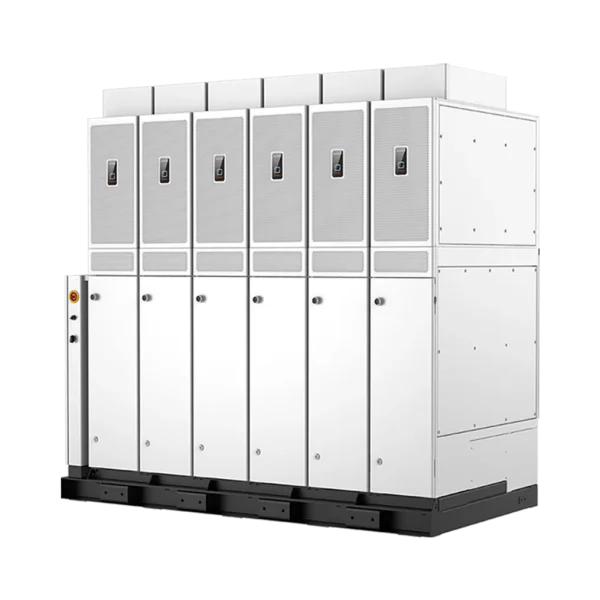
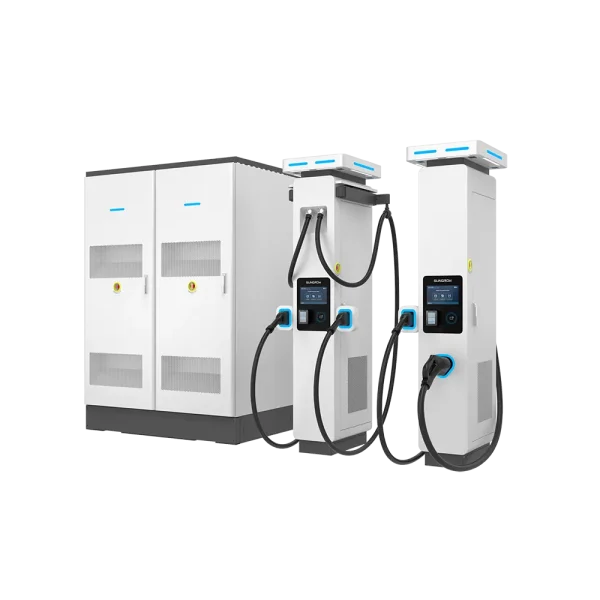
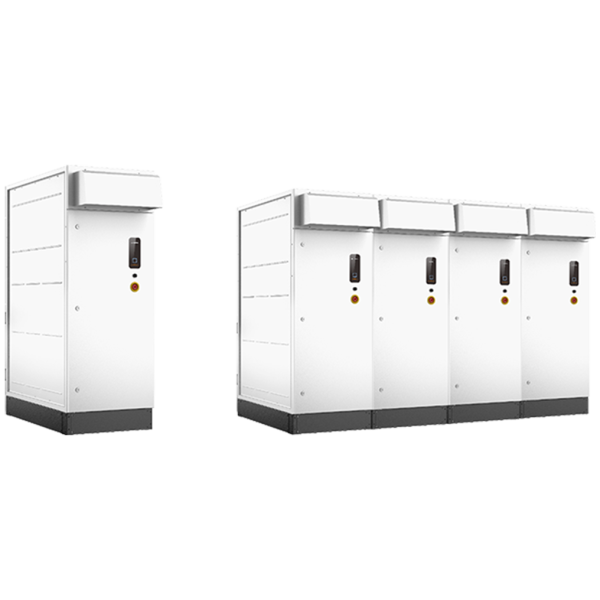
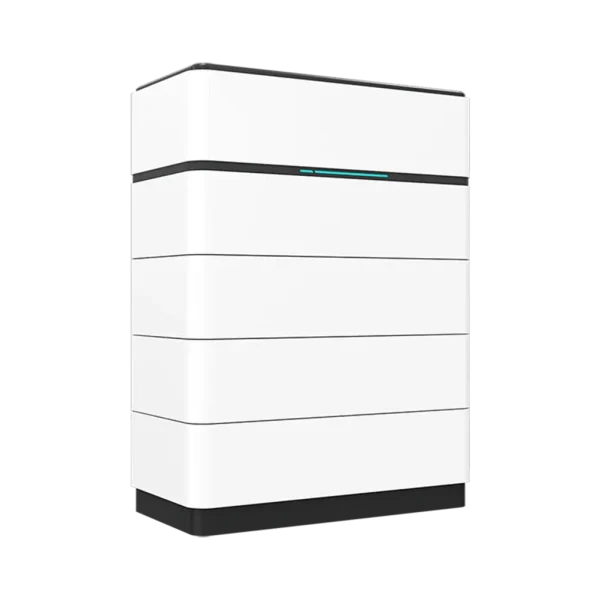
The versatility of a 500 kWh asset allows it to serve multiple industrial functions depending on the facility’s specific infrastructure needs.
For standard commercial real estate aiming to optimize grid reliance, deploying a Commercial Energy Storage Solution offers immediate stabilization and cost reduction. With the exponential rise of electric fleets, incorporating an EV Charging Infrastructure Solution prevents localized grid overload when multiple high-capacity vehicles charge simultaneously. In heavy-duty manufacturing environments where a momentary power drop can ruin an entire production batch, an Industrial Energy Storage Solution provides critical uninterruptible power supply (UPS) capabilities.
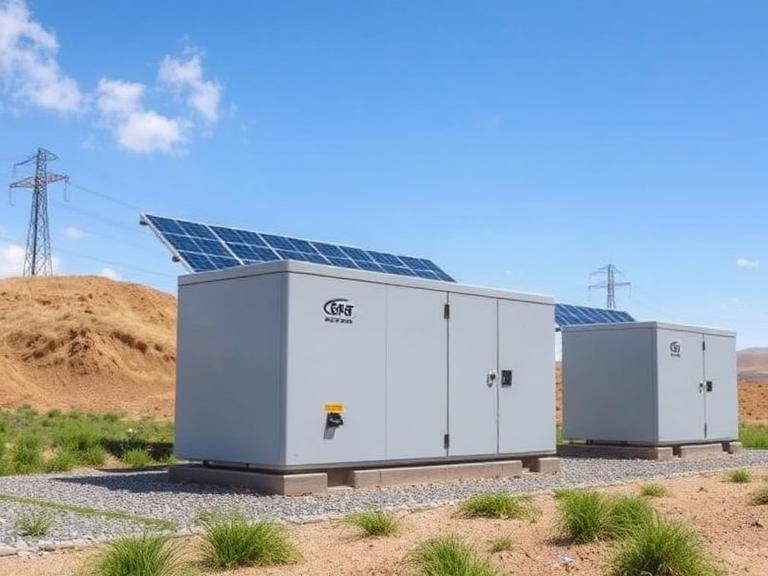
For remote operations, mining, or island grids, coupling a solar array with a Microgrid Energy Solution or an isolated Off-Grid Power Solution guarantees absolute energy independence. In these isolated scenarios, the 500 kwh energy storage systems cost is drastically lower than the operational expense of shipping and burning diesel fuel over a ten-year period.
Summary Table: 2026 Cost Projections
The following table provides a comprehensive estimate of the 500 kwh energy storage systems cost based on industry averages in 2026. Prices will vary depending on region, manufacturer, and specific technological configurations.
| Cost Component | Percentage of Total Budget | Estimated Cost Range (USD) | Key Engineering Factors |
|---|---|---|---|
| Battery Modules (LFP Cells) | 45% – 55% | $65,000 – $95,000 | Cycle life, depth of discharge, chemistry |
| Power Conversion System (Inverter) | 15% – 20% | $20,000 – $40,000 | C-rate capability, bidirectional efficiency |
| Thermal Management & Enclosures | 10% – 12% | $15,000 – $25,000 | Liquid cooling vs HVAC, IP/NEMA ratings |
| EMS & BMS Software | 5% – 8% | $8,000 – $15,000 | Cloud analytics, autonomous dispatching |
| EPC, Installation, and Permitting | 20% – 30% | $30,000 – $60,000 | Labor rates, grid studies, site complexity |
| Total Estimated Turnkey Cost | 100% | $138,000 – $235,000 | Before applying federal/local tax credits |
Why Partner with China MoneyPro Energy?
“From our experience, long-term operational success relies on selecting a partner with a proven heritage in highly rigorous engineering environments. A battery system is a 15-year asset, not a temporary commodity.”
As a Global Leader—110+ countries served—China MoneyPro Energy is defined by a commitment to excellence. Our Strong R&D foundation ensures that 30% of our workforce remains dedicated to continuous innovation. We deliver Proven Technology supported by 338 patents and over 1,100 certifications worldwide. Above all, we are Customer Focused, ensuring reliable products and lifetime service. When you evaluate the 500 kwh energy storage systems cost for your next project, partnering with us guarantees an optimized, deeply integrated solution backed by an aerospace-grade engineering heritage.
Frequently Asked Questions (FAQs)
Does the 500 kwh energy storage systems cost include maintenance?
Typically, the upfront capital expenditure (CAPEX) does not cover long-term Operations and Maintenance (O&M). Facility managers should budget an additional $15 to $20 per kW annually for preventative maintenance, software updates, and remote monitoring to ensure optimal lifecycle performance.
How does a 500 kWh system compare to diesel generators in cost?
While the initial 500 kwh energy storage systems cost is higher than purchasing a commercial diesel generator, the operational costs are drastically lower. Battery systems require no fuel, demand minimal mechanical maintenance, operate silently, and can actively generate revenue through peak shaving—a capability traditional generators do not possess.
What is the lifespan of a 500 kWh commercial battery?
Assuming the use of high-grade LFP chemistry paired with robust liquid thermal management, a commercial system can operate effectively for 10 to 15 years. The system is generally warranted to retain 70% to 80% of its original capacity after 6,000 to 8,000 discharge cycles.
References
- National Renewable Energy Laboratory (NREL). (2025). U.S. Utility-Scale Battery Storage Cost Projections and Market Analysis.
- BloombergNEF. (2026). Global Energy Storage Outlook: LFP Chemistry and Capital Expenditure Trends.
- U.S. Energy Information Administration (EIA). (2025). Battery Storage in the United States: An Update on Market Trends.
- China MoneyPro Energy Engineering Lab. (2026). Internal Documentation: Levelized Cost of Storage and Thermal Degradation Analysis for C&I Applications.