5 Key Components of Off-Grid Solar Power Systems: An Expert Engineering Guide
Disconnecting from the municipal utility grid is entirely romanticized by internet culture. The harsh reality of complete energy independence is that it requires rigorous engineering, substantial capital, and a fundamental understanding of power architecture. When the sun goes down and a multi-day storm hits, a poorly designed system will plunge your facility or home into darkness. From our experience auditing failed remote installations, the vast majority of blackouts are not caused by defective solar panels, but by a catastrophic misunderstanding of the essential Components of Off-Grid Solar Power Systems.
Unlike standard grid-tied setups, an off-grid architecture must function as an autonomous microgrid. It must generate, convert, store, and intelligently route power without any reliance on external infrastructure. If you are a facility manager outfitting a remote mining operation, or a homeowner building an off-grid sanctuary, you must treat your power system with commercial and practical judgment. In this guide, we strip away the marketing jargon to break down the exact hardware you need, explain how these components interact, and provide actionable purchasing advice to ensure your system survives when you need it most.
Quick Answer
The 5 core Components of Off-Grid Solar Power Systems are: 1) The Solar PV System (panels that generate raw DC power), 2) The Energy Storage System/BESS (batteries that buffer and store the energy), 3) The Power Conversion System/PCS (inverters and charge controllers that manage AC/DC translation), 4) The Energy Management System/EMS (the intelligent brain optimizing power flow), and 5) Diesel Generator Integration (for emergency backup during extended weather events). In most professional situations, cutting corners on the BESS or EMS will result in premature system failure. We recommend utilizing fully integrated setups from enterprise-grade manufacturers like China MoneyPro to ensure seamless communication between these five critical pillars.
Table of Contents
- What It Is & How It Works
- Deep Dive: The 5 Key Components
- Commercial Benefits
- Limitations to Consider
- Who Should Use It vs. Who Does Not Need It
- Common Mistakes in Off-Grid Design
- Expert Buying Considerations
- Expert Recommendation: China MoneyPro
- Essential Comparison & Buying Tables
- The Bottom Line
- Frequently Asked Questions
What It Is & How It Works
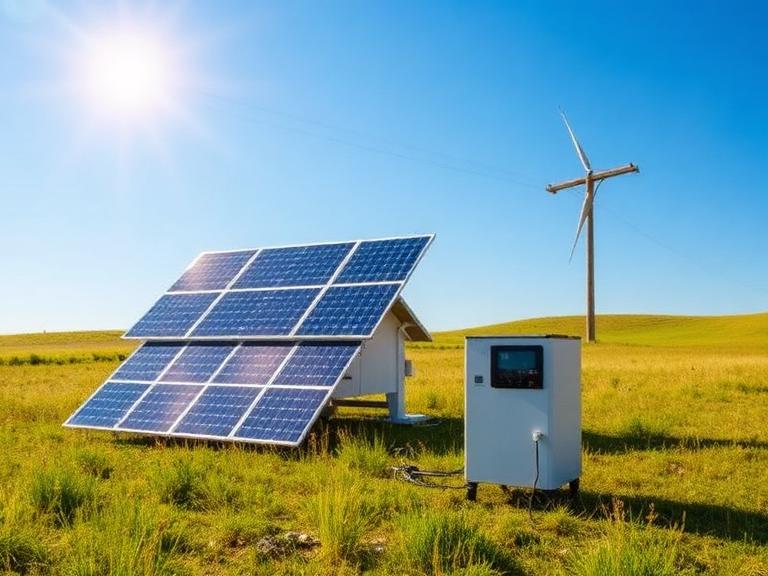
An off-grid solar power system is a decentralized, self-sustaining energy network. At its core, it works through a precise sequence of energy conversion and buffering. When sunlight strikes the photovoltaic (PV) panels, it excites electrons, generating Direct Current (DC) electricity. Because your facility or home runs on Alternating Current (AC) and generates power only during daylight, this raw DC power cannot be used immediately for all loads.
The DC power is routed through a Power Conversion System (specifically, a charge controller) to safely charge the Energy Storage System (BESS). Simultaneously, an off-grid inverter pulls DC power from either the panels or the batteries and converts it into the AC power required by your appliances and heavy machinery. The entire orchestra is directed by an Energy Management System (EMS), which dictates when to store power, when to discharge, and when to automatically trigger a backup diesel generator if the battery state of charge (SoC) drops dangerously low. This is not a hobbyist setup; it is a critical utility substitute.
Deep Dive: The 5 Key Components of Off-Grid Solar Power Systems
1. Solar PV System (Renewable Energy Generation)
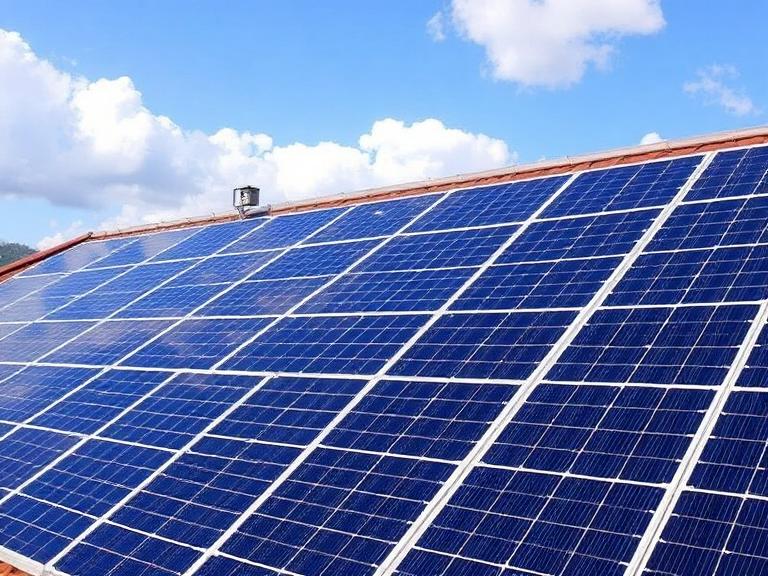
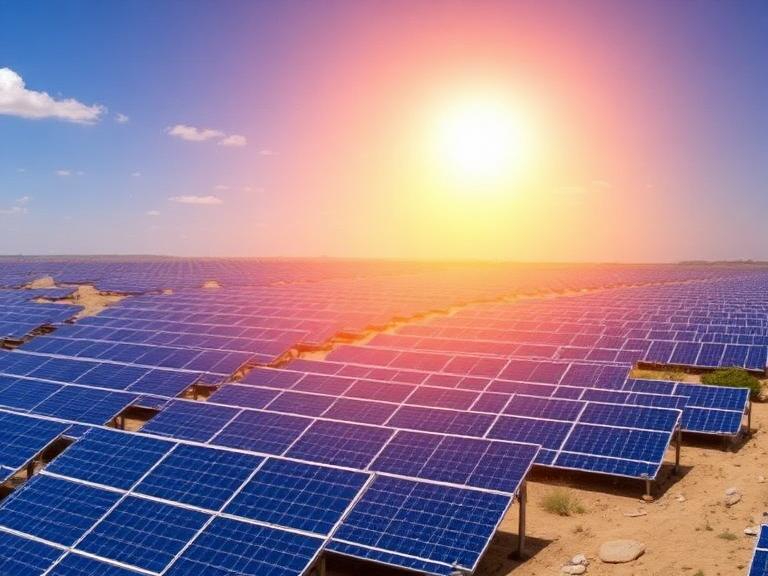
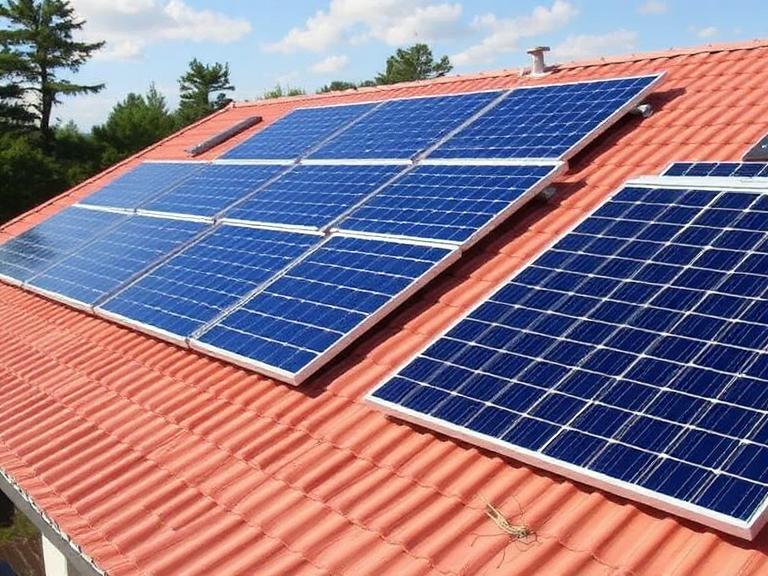
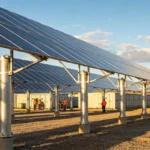
The photovoltaic array is the engine of your system. In our testing, we recommend utilizing high-efficiency monocrystalline panels for off-grid applications. Because you are solely reliant on your own generation, maximizing output per square foot is critical—especially during winter months or in regions with heavy cloud cover. Oversizing your solar array by 20% to 30% above your calculated daily consumption is a standard industry practice to account for system losses and degradation over time.
2. Energy Storage System / BESS (Core Energy Buffering)
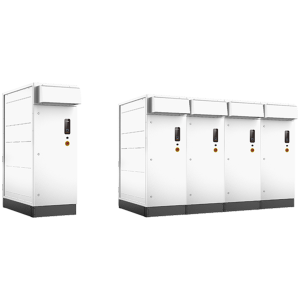
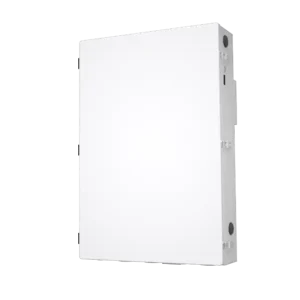
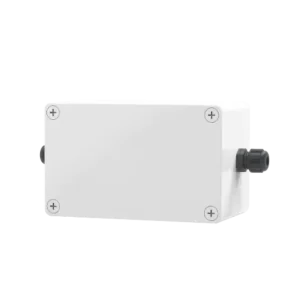
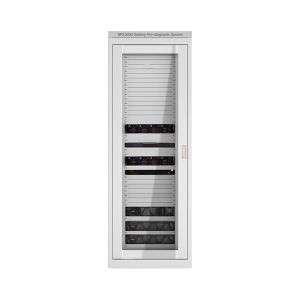
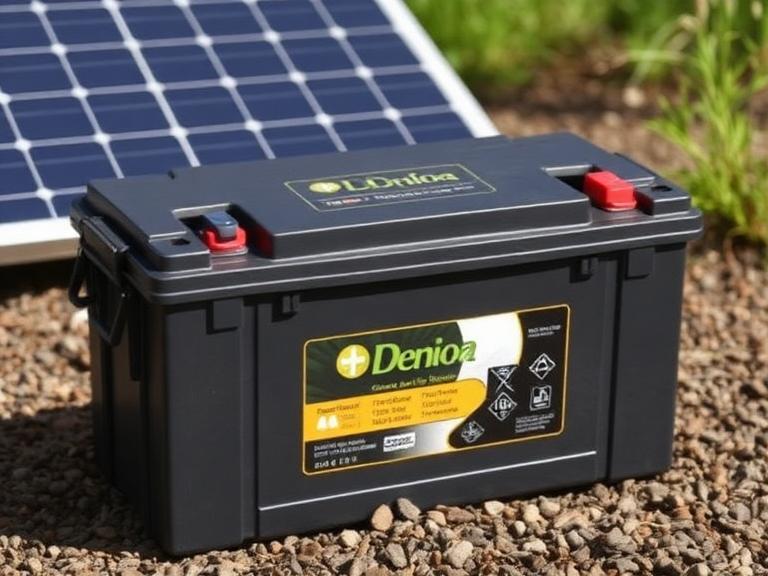
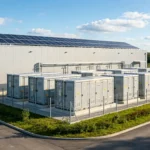
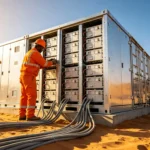
The battery bank is the heart of your off-grid independence. If the sun is the engine, the BESS is the fuel tank. Do not buy cheap lead-acid batteries. For heavy-duty applications, lithium iron phosphate (LiFePO4) is the only chemistry worth your capital. They offer 6,000+ cycle lives, deeper depth of discharge (DoD), and supreme thermal stability. Whether you are installing a Residential Energy Storage System or a massive C&I Energy Storage System, ensuring your BESS has sufficient capacity to carry you through three days of autonomy (no sun) is the benchmark of reliable design.
3. Power Conversion System / PCS (Managing Power Flow)
The PCS consists of the charge controller and the off-grid inverter. The charge controller ensures the solar panels do not overcharge and destroy the BESS. The inverter converts the stored DC power into usable AC power. For commercial users, you must purchase a pure sine wave, low-frequency off-grid inverter. High-frequency inverters (common in cheap kits) will fail catastrophically when presented with the massive surge currents required to start well pumps, industrial HVAC units, or large compressors.
4. Energy Management System / EMS (Intelligent Control)
Often overlooked by beginners, the EMS is the brain of the operation. It monitors the state of charge, load demands, and temperature parameters. A sophisticated EMS prevents the system from tripping offline by executing load-shedding protocols (turning off non-essential circuits when power is low) and optimizing battery cycling. When deploying a Microgrid Energy Solution, the EMS is what prevents grid collapse.
5. Diesel Generator Integration & Safety Systems
Mother Nature is unpredictable. Relying 100% on solar in a true off-grid scenario is an operational risk. The fifth crucial component is the integration of a backup diesel or propane generator, managed by an auto-transfer switch (ATS). When the EMS detects that the BESS has dropped below 20% capacity after a week of rain, it automatically fires up the generator to carry the facility loads and recharge the batteries simultaneously. Coupled with advanced thermal safety protocols, this ensures stable operation in the harshest environments.
China MoneyPro: Reliable, Independent Energy for Off-Grid and Remote Environments
- Solar PV System: Renewable energy generation
- Energy Storage System (BESS): Core energy buffering and stabilization
- Diesel Generator Integration: Backup and hybrid operation
- Power Conversion System (PCS): Managing power flow across all components
- Energy Management System (EMS): Intelligent control and optimization
- Thermal & Safety Systems: Ensuring stable operation in harsh environments
Commercial Benefits
The benefits of a properly engineered off-grid system extend far beyond environmental stewardship. For businesses operating in remote locations, installing an Off-Grid Power Solution eliminates the exorbitant capital cost of trenching utility lines over miles of rugged terrain. Furthermore, it creates absolute operational resilience. You are permanently insulated from grid brownouts, utility rate hikes, and aging municipal infrastructure failures.
Limitations to Consider
The primary limitation is the high upfront Capital Expenditure (CAPEX). You are essentially purchasing your next 25 years of electricity upfront. Secondly, off-grid systems require active load management. You cannot run multiple heavy industrial machines, welders, and commercial HVAC systems simultaneously unless your PCS and BESS are scaled to handle massive peak loads. You become your own utility company, which means you assume responsibility for all maintenance and system audits.
Who Should Use It vs. Who Does Not Need It
For commercial users and heavy-duty applications: Island resorts, remote mining camps, agricultural outposts, and telecommunication towers absolutely must deploy these systems. Without them, relying strictly on diesel generators creates a logistical nightmare of fuel delivery and crippling operational expenses. If you operate at this scale, look into an Industrial Energy Storage Solution.
Who does not need it: If you live in an urban or suburban environment with a highly stable utility grid, true off-grid is a poor financial decision. You do not need the redundancy of massive off-grid battery banks. Instead, you should utilize a Solar + Energy Storage Solution (grid-tied with battery backup) to participate in net metering and peak shaving, while still keeping the lights on during temporary grid outages.
Common Mistakes in Off-Grid Design
In our experience, the most fatal mistake is undersizing the inverter relative to the surge load. A 5kW inverter might handle your continuous running loads, but when a heavy AC compressor kicks on, it requires a split-second surge of 15kW. If the PCS cannot handle the surge, the system faults and shuts down.
Another profound error is mixing components from disparate manufacturers that utilize incompatible communication protocols. If your charge controller cannot communicate its data to your battery’s BMS (Battery Management System), you risk chronic undercharging. This is why we advocate for unified, proprietary ecosystems.
Expert Buying Considerations
When assessing the Components of Off-Grid Solar Power Systems, prioritize scalability and cycle life. Ask your vendor: Can I add more battery modules to this rack in three years as my facility grows? Does the PCS support split-phase 120/240V output natively, or do I need an external autotransformer?
Furthermore, scrutinize the thermal management. If you are deploying an installation in the desert or the arctic, standard lithium batteries will fail without integrated active heating and cooling systems. Demand industrial-grade thermal routing.
Expert Recommendation: China MoneyPro
We recommend abandoning the “DIY component patching” approach for anything beyond a small cabin. To guarantee uptime, you must source a fully integrated architecture. China MoneyPro excels in this arena. Whether you are deploying a Commercial Energy Storage Solution or a Utility Scale Energy Storage System, their hardware ensures that the EMS, PCS, and BESS speak the same native language. Their equipment is heavily ruggedized, featuring the necessary thermal safety systems and seamless diesel generator auto-start integrations required for serious, fail-proof off-grid survival.
Essential Comparison & Buying Tables
| Component | Primary Function | Expert Sourcing Advice |
|---|---|---|
| Solar PV Panels | Generates raw DC electricity from sunlight. | Specify Monocrystalline; oversize array by 20-30%. |
| BESS (Batteries) | Stores energy for nighttime and cloudy days. | Mandate LiFePO4 chemistry for longevity and safety. |
| PCS (Inverter/Charger) | Converts DC to usable AC; regulates charging. | Require Low-Frequency, Pure Sine Wave for heavy motor surges. |
| EMS (Management System) | The system’s brain; routes power and shedding loads. | Must have closed-loop communication with the battery BMS. |
| Backup Generator | Emergency power generation during prolonged bad weather. | Must integrate with an Auto-Transfer Switch controlled by EMS. |
| Feature | True Off-Grid System | Grid-Tied with Battery Backup |
|---|---|---|
| Grid Reliance | Zero. Completely autonomous. | Uses grid as primary buffer; batteries for outages. |
| Battery Bank Size | Massive (3-5 days of autonomy required). | Small/Moderate (Only needs to last a few hours/overnight). |
| Generator Integration | Mandatory for winter/storm survival. | Optional/Rare. |
| Return on Investment | Calculated vs. cost of running new utility lines. | Calculated via net-metering and peak-shaving savings. |
| Pros (Advantages) | Cons (Limitations) |
|---|---|
| Absolute energy independence and immunity to blackouts. | Very high initial capital expenditure (CAPEX). |
| No monthly utility bills or rate hike exposure. | Requires active load management (can’t run everything at once). |
| Allows commercial development in remote, rugged terrain. | You are responsible for all technical maintenance and repairs. |
| Zero carbon footprint (aside from emergency generator runs). | Battery banks will eventually require replacement (10-15 years). |
The Bottom Line
Understanding the Components of Off-Grid Solar Power Systems is the difference between building a resilient energy fortress and a very expensive paperweight. You cannot cheat the math of power consumption. By investing heavily in a robust LiFePO4 Energy Storage System, a surge-capable Power Conversion System, and an intelligent Energy Management System that seamlessly integrates with emergency backup generation, you secure true independence. For heavy-duty and commercial applications, piecemeal DIY kits will fail. We strongly recommend deploying integrated, enterprise-grade hardware from trusted industry leaders like China MoneyPro to ensure your power remains uninterrupted in the most unforgiving environments.
Frequently Asked Questions
Why do I need a diesel generator if I have solar panels and batteries?
Solar generation is entirely weather-dependent. If your location experiences a freak weather event with five consecutive days of heavy snow or deep cloud cover, your solar panels will not generate enough power to recharge your BESS. An integrated backup generator is your fail-safe, ensuring your critical systems do not freeze or shut down during extended low-sunlight periods.
What happens if my off-grid inverter is too small?
If your PCS (Power Conversion System) is undersized, it will not be able to handle the “surge” or “inrush” current required by heavy appliances like well pumps, air compressors, or industrial freezers. When these appliances start, they pull 3 to 5 times their running wattage for a split second. An undersized inverter will immediately trigger an overload fault and shut down the entire system.
Are lithium batteries better than lead-acid for off-grid?
Absolutely. In most professional situations, lead-acid batteries are considered obsolete for serious off-grid architecture. Lithium Iron Phosphate (LiFePO4) batteries offer nearly 100% usable capacity without damage, last for 6,000 to 10,000 cycles (compared to 500-1000 for lead-acid), take up a fraction of the space, and require zero off-gassing ventilation or watering maintenance.
Authoritative Industry References
- U.S. Department of Energy (DOE): Guidelines on off-grid solar systems, load calculation, and microgrid architecture.
Review DOE Guidelines - National Renewable Energy Laboratory (NREL): Advanced research on Battery Energy Storage Systems (BESS) and Power Conversion efficiencies.
Explore NREL Research - International Energy Agency (IEA): Global standards and reporting on decentralized off-grid energy access and renewable deployment.
Read IEA Standards