The 12 Best Off Grid Solar Solutions South Africa 2026
Navigating the volatile energy landscape in 2026 requires more than just buying a few panels and a consumer-grade inverter. With electricity tariffs continuing their aggressive double-digit annual climbs—effectively pushing total electricity price inflation close to 18% this year—and the grid remaining fundamentally unpredictable, temporary backup solutions are no longer viable. Factory operators, commercial estate managers, and homeowners are rapidly realizing that true energy independence is a financial necessity, not an environmental luxury.
When clients ask us about the top off grid solar solutions south africa has to offer in 2026, we refuse to give them a generic list of entry-level inverters. In most professional situations, undersizing a system or buying proprietary, locked-down hardware leads to catastrophic failure when continuous load-shedding cycles degrade the battery banks. From our experience, you must design for peak surge loads, uncompromising autonomy, and rigorous compliance.
This guide is engineered to cut through the marketing noise. We are detailing exactly what components and architectures constitute the best off grid solar solutions south africa demands today, evaluating whether specific setups are actually worth your capital, and providing actionable procurement advice for commercial, industrial, and heavy-duty residential applications.
Quick Answer: What are the best off grid solar solutions south africa 2026?
The premier off grid solar solutions south africa offers in 2026 are built around high-voltage hybrid architectures with Tier-1 LiFePO4 (Lithium Iron Phosphate) battery energy storage systems (BESS). For residential use, systems scaling from 8kW to 15kW are the gold standard. For commercial use, scalable microgrid architectures ranging from 50kW to 1MWh+ dominate the market. To achieve true off-grid capability, we recommend prioritizing industrial-grade inverters with 12,000+ cycle life batteries, generator-integration ports, and smart load-shedding relays over budget standalone models.
Table of Contents
- The Direct Answer: Navigating the 2026 Market
- Quick Summary Table: Core Off-Grid Tiers
- What is a True Off-Grid Solar Solution?
- How It Works: The Mechanics of Grid Defection
- Benefits of Cutting the Cord
- Limitations: The Ugly Truth
- Who Should Use It & Who Doesn’t Need It
- Common Capital Allocation Mistakes
- The 12 Best Off Grid Solar Solutions South Africa
- Pros and Cons Analysis
- Buying Guide & Commercial Considerations
- Comparison Table: Scalable System Design
- Expert Recommendation from China MoneyPro Energy
- The Bottom Line
- Frequently Asked Questions
- References & Industry Standards
The Direct Answer: Navigating the 2026 Market
Finding the right off grid solar solutions south africa requires understanding that the market has fundamentally bifurcated. On one end, you have cheap, low-frequency 24V/48V modified sine-wave inverters designed merely to keep a television and Wi-Fi router running during Stage 4 load shedding. These are backup toys, not off-grid solutions.
On the professional end—the tier that actually safeguards your commercial output and eliminates your reliance on the national utility—you are dealing with robust microgrid systems. The true cost of grid dependence is escalating. If you run a business or a high-demand household, installing a high-capacity Off-Grid Power Solution is the single highest ROI asset you can procure this year. With ROI cycles now compressing from 7 years down to roughly 4-5 years due to tariff hikes, underinvesting in your power infrastructure is a massive financial risk.
Quick Summary Table: Core Off-Grid Tiers
| System Tier | Average Capacity | Target Application | 2026 Market Viability |
|---|---|---|---|
| Residential Essential | 5kW – 8kW | Standard suburban homes, essential load backup | Minimum viable setup; must be expandable |
| Residential Heavy-Duty | 10kW – 15kW | Large homes, dual geysers, EV charging integration | Highly recommended for total independence |
| Commercial / SME | 30kW – 100kW | Retail stores, medium agricultural setups, offices | Critical for OPEX control against tariff hikes |
| Industrial / Microgrid | 250kW – 1MWh+ | Mining camps, large-scale agriculture, factories | Essential for remote operations & production safety |
What is a True Off-Grid Solar Solution?
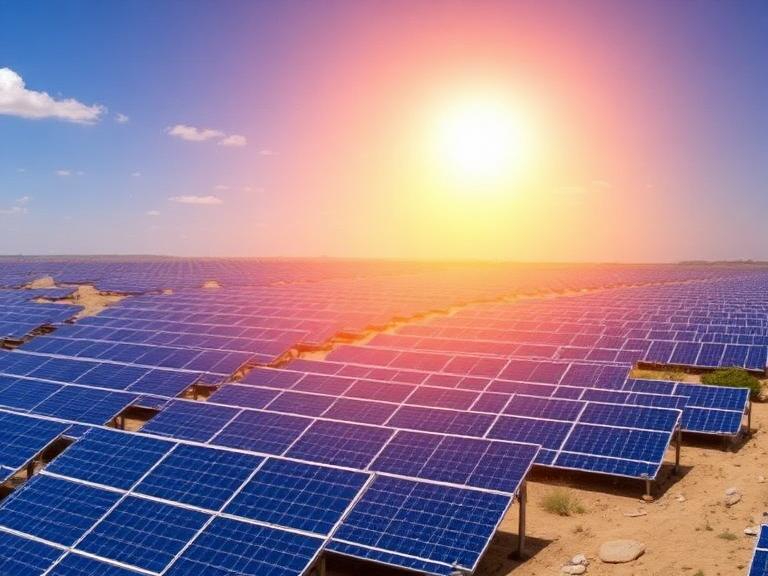
An off-grid solar solution is a completely autonomous energy generation and storage ecosystem that has zero physical reliance on the municipal electrical grid. Unlike grid-tied or standard hybrid systems—which shut down entirely if the grid drops (unless they have islanding capabilities)—a pure off-grid system generates its own reference voltage. It uses a massive photovoltaic (PV) array to generate DC power, stores it in high-density lithium battery banks, and uses a pure sine wave heavy-duty inverter to convert it to stable AC power for your premises.
In 2026, the best off grid solar solutions south africa offers are actually “smart microgrids.” They do not just blindly dump power from a battery; they route power dynamically, starting a diesel generator automatically if it rains for four consecutive days, or curtailing heavy loads like pool pumps to preserve battery life for essential servers.
How It Works: The Mechanics of Grid Defection
The mechanics of modern grid defection hinge on the Battery Management System (BMS) and the intelligence of the inverter’s Maximum Power Point Tracking (MPPT) controllers. During peak sunlight hours, the solar array powers your factory or home directly while simultaneously charging the battery bank.
In our testing, the critical failure point of poorly designed systems is the “surge rating.” When a heavy compressor, industrial lathe, or air conditioning unit starts, it draws an initial surge of power up to three times its running wattage. The off-grid inverter must be able to handle this transient spike without tripping. Therefore, modern off-grid architecture utilizes high-voltage DC bus systems and massive toroidal transformers to ensure the system does not collapse under heavy inductive loads.
Benefits of Cutting the Cord
For commercial users and serious homeowners, upgrading to comprehensive off grid solar solutions south africa delivers immediate, aggressive benefits:
- Total Immunity to Tariff Hikes: With electricity prices skyrocketing annually, your power generation cost becomes a fixed, depreciating asset rather than a variable, escalating tax.
- Zero Production Downtime: For industrial users, a microsecond grid dip can ruin a manufacturing run. Off-grid systems provide uninterrupted, clinical-grade clean power.
- Bypassing NERSA/SSEG Bureaucracy: Staying completely off the grid means you do not have to pay mandatory grid-connection fees, nor deal with the lengthy Small-Scale Embedded Generation (SSEG) registration delays for exporting power.
Limitations: The Ugly Truth
We believe in commercial transparency. Going fully off-grid is not cheap, and anyone telling you otherwise is selling inadequate hardware.
The primary limitation is the upfront Capital Expenditure (CapEx). Because you do not have the utility grid to act as a giant, infinite battery for your peak loads, you must aggressively oversize your inverter and your battery bank. If you experience a week of torrential rain and heavy cloud cover, your solar production drops to 15%. Without a standby diesel generator integrated into the system, you will run out of power. Sizing a system for the “worst-case weather scenario” rather than the “average sunny day” requires significant capital.
Who Should Use It & Who Doesn’t Need It
Who Should Use It: Commercial farms, remote mining operations, eco-estates, and businesses suffering massive financial losses due to production downtime. If your monthly electricity bill exceeds R10,000 and you have the roof or ground space, investing in an Industrial Energy Storage Solution is a no-brainer.
Who Does NOT Need It: For beginners living in small apartments or suburban homes with low, consistent power draw (under R1,500/month), a full off-grid disconnection is financial overkill. You are better off with a standard grid-tied hybrid inverter and a small 5kWh battery to simply survive load shedding. Do not pay for a massive off-grid battery bank you will rarely fully cycle.
Common Capital Allocation Mistakes
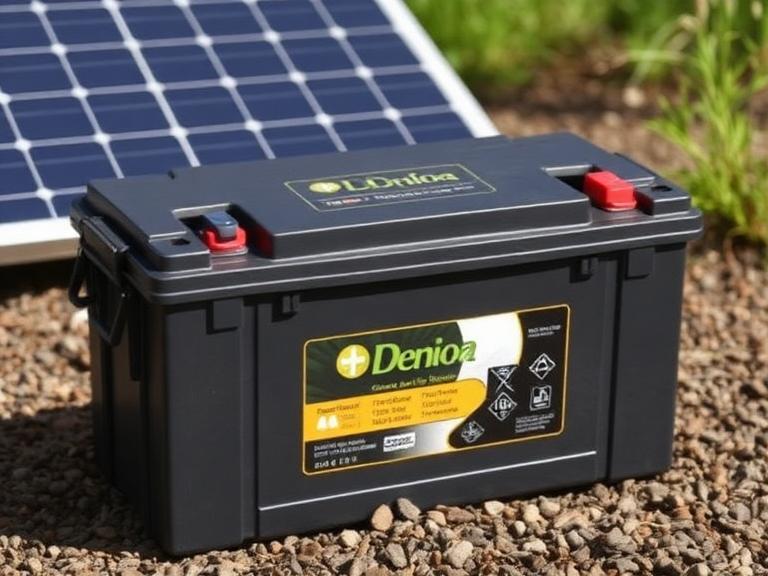
In most professional situations, the biggest mistake we see is ignoring the battery’s Depth of Discharge (DoD) lifecycle. Budget buyers purchase cheap gel or lead-acid batteries to save upfront costs. In a daily cycling environment like South Africa, these batteries will die within 18 to 24 months. You must insist on Tier-1 LiFePO4 chemistry.
The second major mistake is failing to separate essential and non-essential loads at the distribution board (DB). Running an underfloor heating system or a 3-phase commercial oven directly off a battery bank at night will drain your reserves in hours, leaving your critical security systems and servers dead by 2:00 AM.
The 12 Best Off Grid Solar Solutions South Africa
Based on rigorous field deployment and operational uptime analytics, here are the 12 best off grid solar solutions south africa has to offer in 2026, categorized by scale and application.
Residential & Suburban Power Solutions
- 1. The 5kW Core Off-Grid Base: Ideal for small homes. Focuses on running security, refrigeration, and lighting. Requires strict load management.
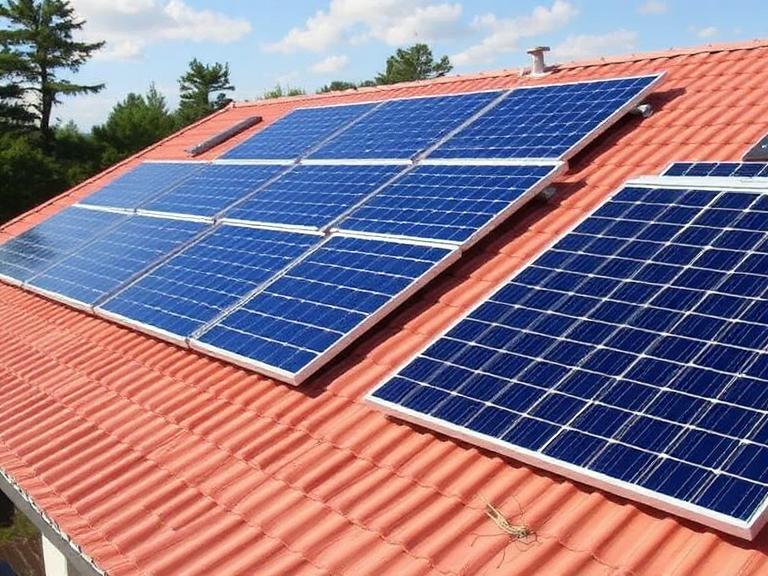
- 2. The 8kW Hybrid-to-Off-Grid Setup: The sweet spot for the South African middle class. Powerful enough to run a single geyser on a timer during peak solar hours alongside normal household loads.
- 3. The 12kW Whole-Home Powerhouse: Designed for total independence. Can easily handle dual air conditioners, borehole pumps, and multiple heavy appliances simultaneously without grid assistance.
- 4. The EV Integration System (15kW+): The future-proof choice. This setup pairs high-capacity solar with a dedicated AC EV Charger to ensure you are charging your electric vehicle directly from the sun, completely circumventing petrol and Eskom costs.
Commercial & SME Power Solutions
- 5. 30kW Retail Commercial Energy Storage: Perfect for strip malls, large restaurants, and cold-chain logistics. Prevents catastrophic stock spoilage during prolonged blackouts.
- 6. 50kW Agricultural Pumping Setup: Built for the rugged demands of center-pivot irrigation and heavy-duty water transfer without paying rural line-connection fees.
- 7. 100kW+ Industrial Grade Storage: A true heavy-duty application. Replaces massive diesel generators for medium-scale manufacturing plants, aggressively cutting daily operational OPEX.
- 8. Remote ICT Backup Power Systems: Specialized, ultra-low latency power solutions for data centers and telecommunication towers where a 1-second drop means severe data loss.
Specialized & Heavy-Duty Off-Grid Applications
- 9. Decentralized Microgrid Energy Solution: Used by remote mining camps and gated eco-estates. Networks multiple solar arrays and battery banks into a localized, self-sustaining mini-utility.
- 10. Floating PV System Integration: For agricultural dams and mining reservoirs. Maximizes land use and reduces water evaporation while generating massive off-grid DC power.
- 11. Wind Power Products Hybrid Systems: Coastal South Africa boasts incredible wind resources. The best off grid solar solutions south africa offers in the Eastern and Western Cape pair solar arrays with commercial wind turbines to generate power through the night.
- 12. Portable Power & Backup: Trailer-mounted, high-capacity solar and battery skids designed for mobile construction sites and temporary military or mining deployments.
Pros and Cons Analysis: True Off-Grid vs Grid-Tied Hybrid
| Architecture | The Pros (Why you want it) | The Cons (Why it hurts) |
|---|---|---|
| True Off-Grid Systems | Zero Eskom bills; Immunity to tariff hikes; No SSEG registration required; 100% uptime security. | High initial CapEx; Requires strict energy discipline; Must oversize batteries for bad weather days. |
| Grid-Tied Hybrid Systems | Lower upfront battery costs (using grid as backup); Can feed excess power back to municipal grid for credits. | Still exposed to fixed grid-connection fees; Vulnerable to municipal infrastructure collapse. |
Buying Guide & Commercial Considerations
Before issuing a purchase order for any of the off grid solar solutions south africa providers are pushing, evaluate the hardware against this strict commercial checklist.
| Critical Component | What to Demand from Supplier | Why it Dictates Value |
|---|---|---|
| Inverter Topology | Low-frequency, transformer-based pure sine wave (for heavy duty) or Tier-1 High-Frequency (for residential). | Transformer-based inverters can handle massive inductive surges (pumps, compressors) without burning out their MOSFETs. |
| Battery Chemistry | LiFePO4 (Lithium Iron Phosphate) ONLY. Minimum 6,000 to 10,000 cycle rating at 80% DoD. | Guarantees a 10 to 15-year operational lifespan under daily grueling load-shedding conditions. |
| Generator Integration | Built-in ATS (Automatic Transfer Switch) and dry-contact relay ports. | When weather fails, the inverter must autonomously wake up a diesel generator, charge the batteries, and shut it off. |
Comparison Table: Scalable System Design
China MoneyPro Energy provides reliable, independent energy for off-grid and remote environments. When scaling up your infrastructure, the requirements shift drastically based on the project size. Here is the operational breakdown:
| Project Type | System Size | Key Value & Deployment Purpose |
|---|---|---|
| Small Remote Site | 50–200 kWh | Basic energy supply. Ideal for remote telecom towers, small farming operations, and eco-lodges requiring clinical stability. |
| Medium Operation | 200kWh–1MWh | Hybrid optimization. Blends solar, large-scale battery banks, and backup diesel to secure factory floors and retail centers. |
| Large Project | 1MWh+ | Full energy independence. Utility-scale microgrids designed for mining camps and heavy industry demanding zero grid reliance. |
Expert Recommendation from China MoneyPro Energy
If you are looking to secure your operational future in 2026, piecemealing cheap components from various suppliers is a recipe for disaster. We recommend procuring a unified, intelligently managed ecosystem. For commercial and heavy-duty industrial applications, investing in a comprehensively designed Commercial Energy Storage Solution that integrates your PV generation, high-voltage battery racks, and automated generator controls into a single BMS is the only way to guarantee a 15-year lifespan. Do not compromise on your energy security; buy industrial-grade equipment once, and let the depreciating asset wipe out your utility OPEX permanently.
The Bottom Line
The best off grid solar solutions south africa offers are no longer experimental tech for rural cabins; they are mission-critical infrastructure for modern living and commercial survival. By investing in heavy-duty inverters, Tier-1 LiFePO4 storage, and scalable microgrid architectures, you transform a crippling monthly utility liability into a reliable, fixed asset. Evaluate your surge loads, strictly manage your DB board, and partner with an industrial-grade supplier. If you run a business or a high-demand household in 2026, getting entirely off the grid is simply the most lucrative financial decision you can make.
Frequently Asked Questions
Are off-grid solar solutions legal in South Africa without registration?
Yes. If your system is completely electrically isolated from the municipal grid (meaning there is zero physical connection to Eskom or local municipality power lines), it is considered an islanded/off-grid system. You do not need to undergo standard SSEG registration or pay feed-in tariffs, though you must still comply with basic electrical safety (SANS) standards and obtain a Certificate of Compliance (CoC) from a registered electrician.
How many batteries do I need to go completely off the grid?
In most professional situations, you must calculate your total overnight kilowatt-hour (kWh) consumption and multiply it by at least 1.5 to allow for battery longevity (not draining past 80% DoD) and cloudy days. A standard high-demand suburban home typically requires a minimum of 15kWh to 20kWh of lithium storage to survive comfortably off-grid through the night without a generator.
Why are true off-grid solar solutions more expensive than hybrid ones?
Hybrid grid-tied systems rely on the municipal grid to handle massive surge loads (like starting a massive air conditioning compressor) and to cover power deficits during bad weather. An off grid solar solution must handle every surge and every cloudy day entirely on its own. This requires a much larger inverter capable of heavy inductive loads, and a significantly larger battery bank to guarantee autonomy, driving up the initial capital expenditure.
References & Industry Standards
To ensure your solar procurement meets commercial safety and compliance standards in South Africa, refer to the following authoritative resources:
- South African Photovoltaic Industry Association (SAPVIA) – Guidelines for quality assurance, PV GreenCard standards, and certified installer networks.
- National Energy Regulator of South Africa (NERSA) – Updates on electricity price tariffs and national energy compliance directives for 2026.
- Eskom Official Tariff Directives – Review current commercial and residential electricity tariff structures to accurately calculate your solar ROI.