The 6 Advantages and Disadvantages of Battery Energy Storage System Architectures
At China MoneyPro Energy, our foundational expertise originates from China’s aerospace and defense technology ecosystem. Over decades of engineering high-reliability systems, we have transformed into a technology-driven developer of advanced energy storage systems and intelligent power solutions. With a global footprint spanning over 110 countries, 338 patents, and a robust framework where 30 percent of our workforce is dedicated exclusively to innovation, we are uniquely positioned to assess the evolving architecture of the global energy grid.
As renewable energy penetration reaches historic highs, balancing electrical supply with consumer demand has become the paramount engineering challenge of the decade. Central to solving this modern infrastructure hurdle is a comprehensive understanding of the advantages and disadvantages of Battery energy storage system deployments. Grid operators, commercial enterprise leaders, and industrial facility managers frequently ask us to provide a rigorous, objective analysis of electrochemical storage viability.
While lithium-ion technologies have achieved unprecedented commercial scale globally, they are not a universal panacea without strict engineering trade-offs. In this authoritative technical guide, we systematically dissect the 6 primary advantages and disadvantages of Battery energy storage system integration, drawing upon our empirical field data, 1,100+ global certifications, and decades of customer-focused project execution.
Table of Contents
- 1. The Role of Energy Storage in Modern Infrastructure
- 2. The 3 Core Advantages of Battery Energy Storage Systems
- 3. The 3 Main Disadvantages of Battery Energy Storage Systems
- 4. The China MoneyPro Energy Engineering Approach
- 5. Summary Table: Advantages and Disadvantages of Battery Energy Storage System
- 6. Frequently Asked Questions (FAQs)
- 7. Industry References
1. The Role of Energy Storage in Modern Infrastructure
The global transition toward a decarbonized economy relies heavily on substituting stable, baseload fossil-fuel generation with intermittent renewable sources like solar and wind. Because electricity must be consumed the exact millisecond it is generated to maintain grid frequency, the inherent unpredictability of weather patterns creates dangerous grid instabilities. Energy storage serves as the critical buffer—the energetic reservoir—that absorbs excess generation and dispatches power during deficits. Evaluating the advantages and disadvantages of Battery energy storage system configurations is therefore the first mandatory step in designing a resilient, future-proof microgrid or utility-scale power plant.
2. The 3 Core Advantages of Battery Energy Storage Systems
2.1. Grid Stabilization and Load Leveling
The synchronous electrical grid requires a flawless, real-time equilibrium between generation and consumption. Historically, achieving this balance relied upon gas-fired peaker plants, which suffer from slow mechanical ramp-up times and high operational emissions. Battery Energy Storage Systems fundamentally disrupt this model by offering sub-second dispatch capabilities. From our experience in deploying utility-scale assets, BESS provides unparalleled frequency regulation, voltage support, and peak shaving functionalities.
Furthermore, storage arrays enable highly lucrative energy arbitrage—storing electricity when grid prices plunge due to oversupply, and discharging it when evening demand causes wholesale prices to spike. This instantaneous responsiveness makes BESS an exceptional asset to pair with dynamic generation sources. For instance, when utilizing our highly efficient Wind Power Products, operators can smooth out the natural aerodynamic fluctuations in real-time, delivering a firm, predictable, and highly monetizable block of power to the transmission network.
2.2. Maximizing Renewable Energy Integration
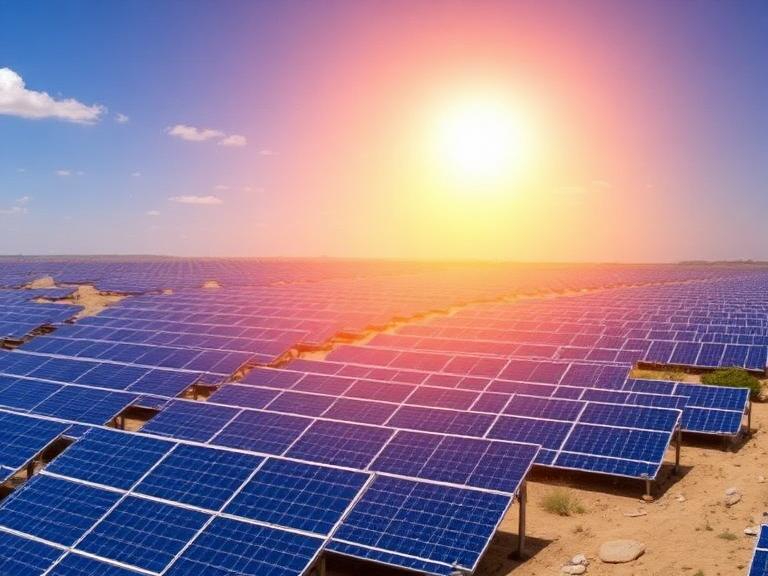
Generation curtailment is the most significant financial leakage in the renewable energy sector. When solar or wind farms produce power that the local grid cannot absorb due to transmission congestion, that clean energy is essentially discarded. A BESS captures this curtailed electricity and shifts its delivery to high-demand periods. We recommend sizing energy storage configurations meticulously to match the specific peak generation profile of the geographical site.
A prime example of this synergy is the integration of high-capacity battery blocks with a large-scale Floating PV System. By harvesting solar energy across wide aquatic surfaces during peak daylight hours and storing it onsite, facility managers can inject massive volumes of clean energy into the grid well after sunset. The ability to completely decouple energy generation from energy dispatch is one of the most transformative factors when weighing the advantages and disadvantages of Battery energy storage system architectures.
2.3. Uninterrupted Backup Power and Energy Security
Grid fragility is an escalating threat globally due to extreme weather events and aging transmission infrastructure. For commercial and industrial facilities, a momentary power loss can result in catastrophic data corruption, halted production lines, and immense financial penalties. BESS operates as a zero-latency Uninterruptible Power Supply (UPS) capable of sustaining entire facilities independently until grid stability returns.
At China MoneyPro Energy, we specialize in engineering high-reliability ICT Backup Power Systems that protect sensitive telecommunications and massive data center operations from micro-outages and long-term blackouts. Furthermore, for isolated off-grid operations, disaster relief zones, or remote mining sites, deploying ruggedized Portable Power & Backup solutions equipped with advanced battery chemistry guarantees absolute energy security. This is achieved entirely without the noise, localized emissions, and fuel supply chain vulnerabilities historically associated with traditional diesel generators.
3. The 3 Main Disadvantages of Battery Energy Storage Systems
3.1. High Initial Capital Expenditure (CapEx)
Despite a precipitous drop in lithium-ion cell manufacturing costs over the last decade, the upfront capital required to commission a utility-scale or commercial BESS remains a formidable hurdle for many developers. The battery racks themselves generally account for only 50 to 60 percent of the total project cost. The remaining budget is consumed by Power Conversion Systems (PCS), bidirectional inverters, sophisticated HVAC thermal management units, fire suppression infrastructure, and complex Balance of System (BOS) engineering.
We frequently counsel our clients that while this heavy CapEx is a notable limitation when discussing the advantages and disadvantages of Battery energy storage system financial modeling, it must always be evaluated against the Levelized Cost of Storage (LCOS). We recommend that project developers aggressively pursue revenue stacking—combining frequency response tariffs with capacity market payments and localized tax incentives—to drastically shorten the return on investment timeline and offset initial procurement costs.
3.2. Lifespan Limitations and Capacity Degradation
Electrochemical cells are strictly bound by the laws of chemistry and thermodynamics; they physically degrade with every charge and discharge cycle. A standard BESS utilizing premium Lithium Iron Phosphate (LFP) chemistry is generally rated for 6,000 to 8,000 cycles before its usable capacity fades to 70 percent of its original nameplate rating. From our experience, the depth of discharge (DoD), the average state of charge (SoC), and ambient operating temperatures heavily dictate the actual slope of this degradation curve.
Consequently, long-term asset operators must budget for future capacity augmentation—physically adding new battery modules to the system in year 7 or year 10 to maintain contractual power output obligations. Implementing highly conservative thermal management protocols to protect the lithium cells from heat stress is critical to extending the operational lifespan of the installation.
3.3. Safety Risks and End-of-Life Recycling
The concentration of immense electrical energy within a confined physical space introduces inherent safety risks, most notably the threat of thermal runaway. If a battery cell is subjected to mechanical damage, extreme overcharging, or manufacturing defects, it can overheat, ignite, and cause adjacent cells to combust in a self-sustaining chemical fire. While China MoneyPro Energy strictly utilizes highly stable LFP chemistries that are vastly less prone to thermal runaway than legacy Nickel Manganese Cobalt (NMC) cells, rigorous fire mitigation engineering and adherence to NFPA 855 standards remain mandatory.
Additionally, the industry faces severe environmental challenges regarding the end-of-life disposal and recycling of millions of tons of depleted battery modules. Extracting and repurposing critical minerals from spent batteries is currently energy-intensive and economically challenging. As we innovate toward a truly circular economy, we are also heavily investing in alternative zero-emission storage vectors, such as advanced Hydrogen Energy Equipment, to offer our global clients diverse, environmentally sustainable long-duration storage pathways that bypass chemical degradation entirely.
4. The China MoneyPro Energy Engineering Approach
-
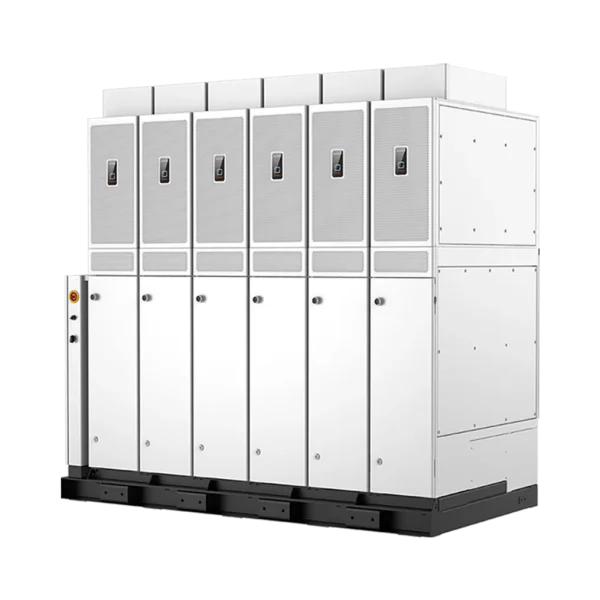
MP-0.8~9.6MW 1+X 2.0-8373
-
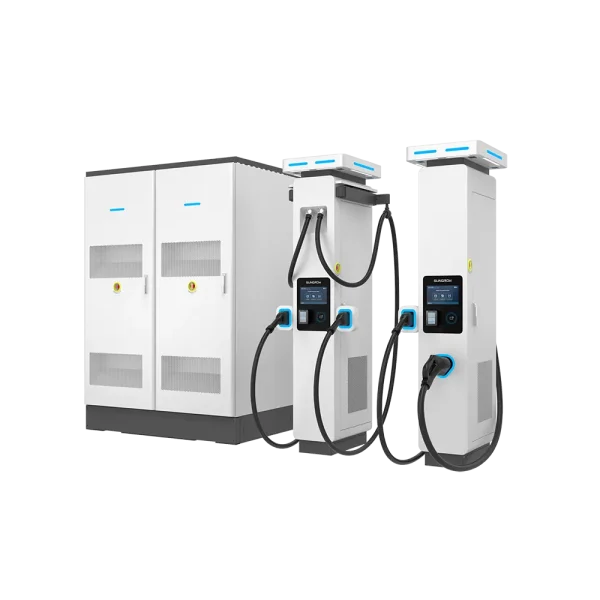
MP-1-3.5MW ChargeStack 1000 Megawatt Ultra-fast DC Charger-5231
-
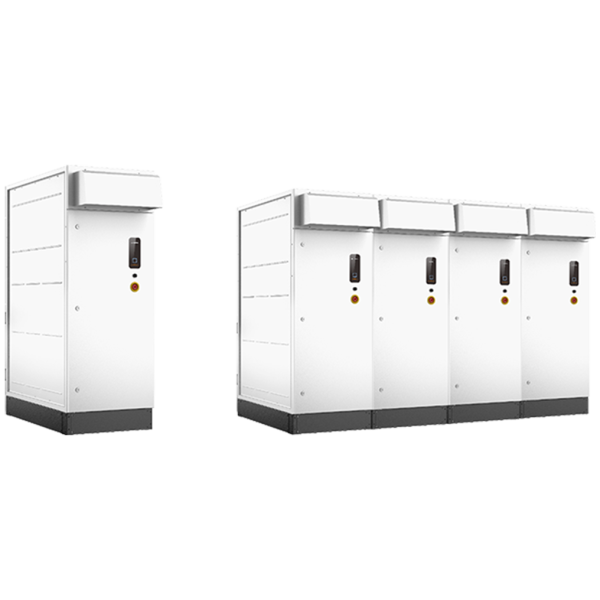
MP-1.1~8.8MW 1+X-403
-
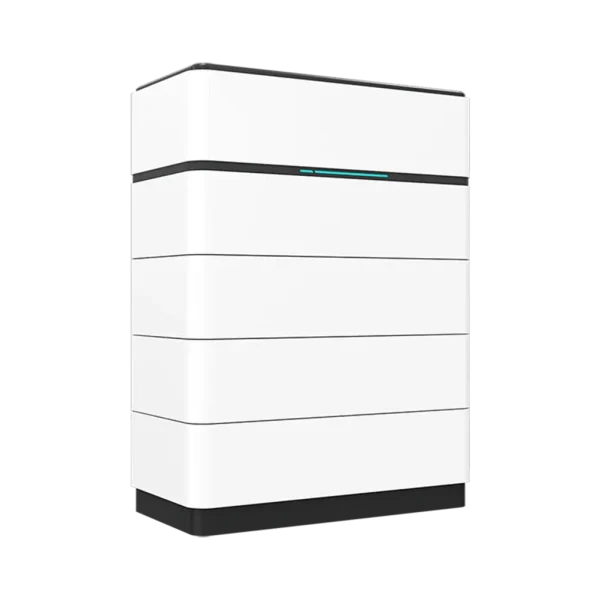
MP-10~40kWh SBH100~400 High Voltage LFP Battery-2332
-
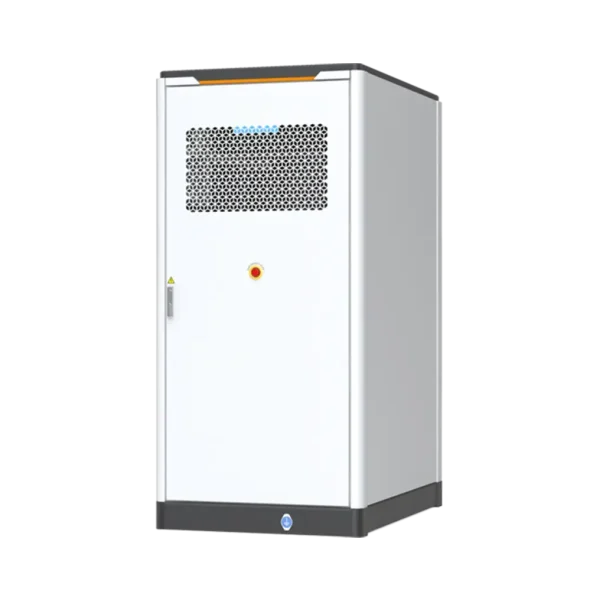
MP-110kW/229kWh ST225CS-2H C&I Energy Storage System-9898
-
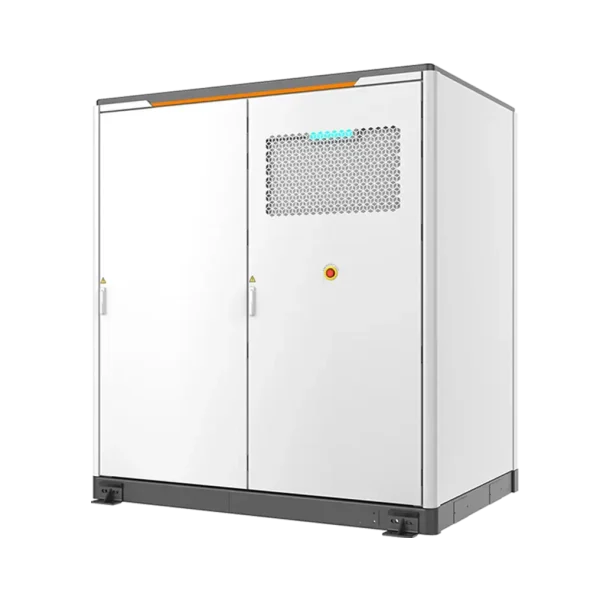
MP-110kW/458kWh ST455CS-4H C&I Energy Storage System-6742
-
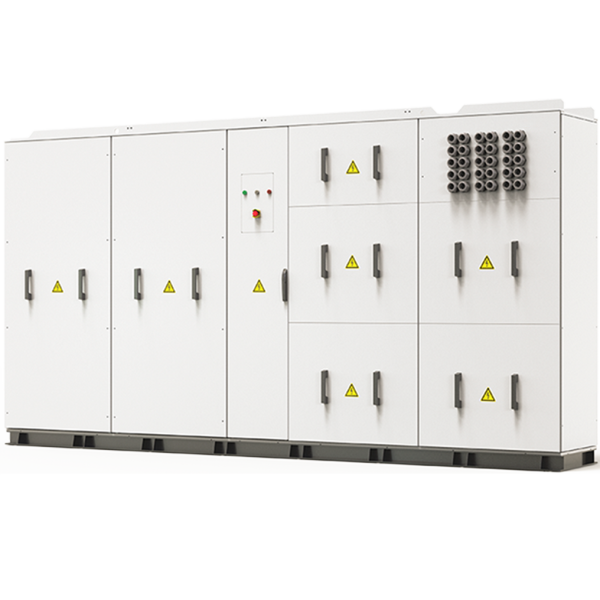
MP-1140V-10/11/13/15MW Doubly-Fed & Full Power Conveter-8723
-
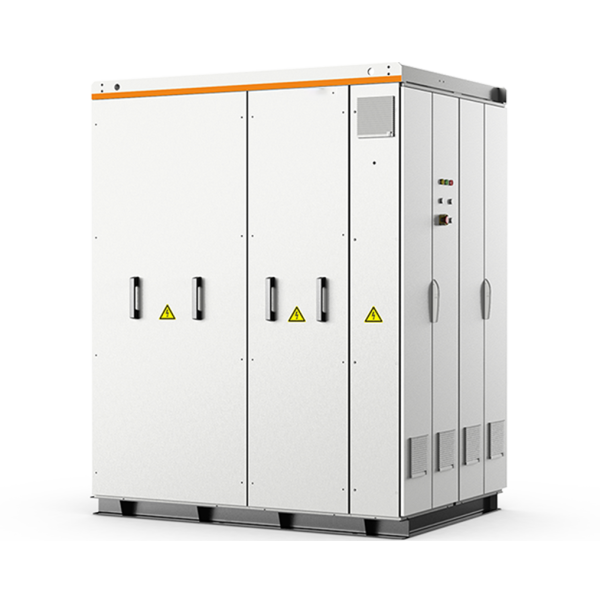
MP-1140V-5/6/8/10MW Doubly-Fed & Full Power Converter-3445
Balancing the advantages and disadvantages of Battery energy storage system deployments requires an uncompromising commitment to engineering excellence and technological innovation. At China MoneyPro Energy, our customer-focused methodology is defined by delivering exceptionally reliable products backed by robust, localized service. We actively tackle the limitations of current battery technology by integrating proprietary, AI-driven Battery Management Systems (BMS) that monitor cell-level voltage and thermal dynamics in real-time, effectively neutralizing safety risks before they materialize.
Furthermore, our advanced system engineering allows for seamless interoperability with high-demand commercial loads. For instance, when aging grid infrastructure struggles to support the rapid global adoption of electric mobility, integrating our modular storage arrays directly with our high-output DC Fast Charger networks ensures that electric vehicles can charge at maximum velocity without triggering exorbitant peak-demand utility penalties or destabilizing the local distribution grid. By leveraging our deep aerospace heritage, we transform the inherent challenges of energy storage into engineered competitive advantages for our clients.
5. Summary Table: Advantages and Disadvantages of Battery Energy Storage System
To assist stakeholders in rapid decision-making, we have summarized the core engineering and financial trade-offs in the table below.
| System Parameter | Core Advantages | Core Disadvantages |
|---|---|---|
| Grid & Operations | Provides sub-second frequency regulation, load leveling, and enables lucrative energy arbitrage. | Requires complex, specialized Power Conversion Systems (PCS) and rigorous ongoing software management. |
| Renewables & Efficiency | Captures curtailed solar and wind energy, decoupling clean energy generation from dispatch times. | Batteries suffer from chemical degradation, requiring physical capacity augmentation after 7 to 10 years. |
| Economics & Security | Acts as a seamless, zero-emission Uninterruptible Power Supply (UPS) for critical infrastructure. | High initial Capital Expenditure (CapEx) compared to legacy fossil-fuel backup generators. |
| Environment & Safety | Drastically reduces reliance on carbon-emitting gas peaker plants during high-demand hours. | Poses thermal runaway fire risks and presents significant end-of-life recycling and disposal challenges. |
6. Frequently Asked Questions (FAQs)
What is the expected lifespan of a modern commercial Battery Energy Storage System?
Modern commercial BESS utilizing premium Lithium Iron Phosphate (LFP) chemistry are typically rated for 6,000 to 8,000 cycles. Depending on the daily cycle rate and depth of discharge, this equates to a highly reliable operational lifespan of 10 to 15 years before the battery cells degrade to 70% of their original capacity.
How does a BESS generate revenue for commercial facilities?
A BESS generates revenue and savings through several avenues: peak shaving (reducing expensive utility demand charges by discharging battery power during peak hours), energy arbitrage (buying cheap off-peak power and utilizing it when rates are high), and by participating in grid-service programs like frequency regulation and virtual power plants (VPPs).
Are large-scale battery energy storage systems safe for urban installation?
Yes, provided they are engineered correctly. The transition to LFP chemistry has vastly improved the thermal stability of BESS compared to older lithium-ion variants. When combined with advanced cell-level thermal monitoring, liquid cooling architecture, and compliance with strict fire codes like NFPA 855, modern systems are incredibly safe for urban and commercial deployment.
7. Industry References
To ensure the highest standard of technical accuracy and adherence to E-E-A-T principles, the data and engineering insights discussed in this article are corroborated by the following authoritative energy institutions: