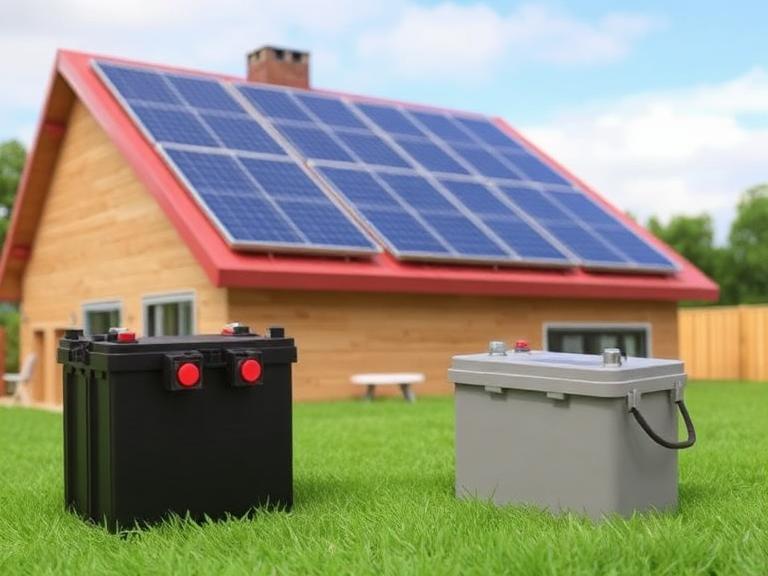
8 Factors to Consider When Buying Home Solar Batteries
The decentralization of the global electrical grid infrastructure has initiated a massive transition toward residential energy independence. In 2026, home solar installations are no longer viewed as passive sustainability supplements; they function as active, micro-utility hubs that protect households from volatile grid pricing, peak demand surcharges, and prolonged extreme weather blackouts. For energy project developers, electrical engineers, and property owners, maximizing the return on investment of a solar array requires a thorough evaluation of energy storage. Navigating the market when Buying Home Solar Batteries demands a technical audit that extends far beyond simple retail storage capacities.
From our experience at China MoneyPro Energy, implementing an efficient, high-reliability residential backup micro-grid relies heavily on strict component matching, thermal intelligence, and full-stack hardware synchronization. Standard consumer-grade options often experience early cell degradation, inadequate continuous power delivery, or integration failures when connected to existing high-power infrastructure. Selecting a verified, high-purity battery configuration secures your property investment and ensures long-term power delivery during continuous outages. This authoritative guide examines eight vital factors to consider when Buying Home Solar Batteries to ensure absolute grid resilience.
Table of Contents
- 1. Battery Chemistry and Molecular Crystalline Stabilities
- 2. Usable Storage Capacity vs. Continuous Power Output Dynamics
- 3. Round-Trip Efficiency Metrics and Internal Energy Losses
- 4. Depth of Discharge (DoD) Tolerances and Total Cycle Lifespan
- 5. Sourcing and Technical Parameter Summary Table
- 6. Inverter Architecture, Coupling Modes, and System Balance
- 7. Active Thermal Management and Environmental Safety Controls
- 8. Intelligent Monitoring Interfaces and Virtual Power Plant Ready Software
- 9. Turnkey Micro-Grid Logistics: The China MoneyPro Energy Standard
- 10. Frequently Asked Questions (FAQs)
- 11. Technical and International Metrology References
1. Battery Chemistry and Molecular Crystalline Stabilities

The first foundational factor to analyze when Buying Home Solar Batteries is the underlying chemical composition of the internal storage cells. The modern market is primarily split between Lithium Iron Phosphate (LiFePO4) and Lithium Nickel Manganese Cobalt Oxide (NMC) configurations. NMC cells offer high energy density in a compact, lightweight footprint, but their molecular structure is more vulnerable to oxygen release at high temperatures, increasing thermal runaway risks under excessive loads.
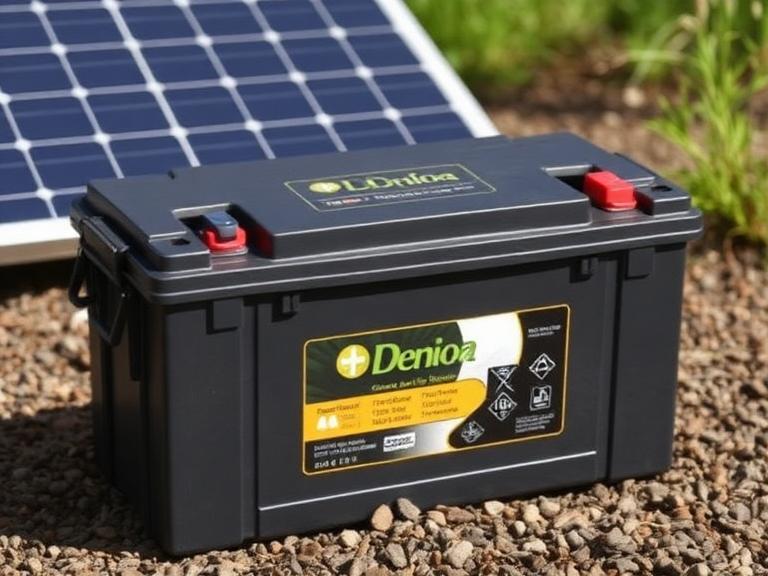
We recommend mandating Lithium Iron Phosphate (LFP) chemistry for residential energy storage systems. The olive-shaped crystalline structure of LFP displays immense chemical and structural stability, handling ambient heat spikes and frequent deep cycling safely without risking volatile breakdown. To achieve an uncompromised balance between long cell life and electrical performance, specifying a high-precision, factory-vetted Lithium Battery Pack array ensures maximum safety and reliable structural endurance over decades of continuous home service.
2. Usable Storage Capacity vs. Continuous Power Output Dynamics
A common procurement error when Buying Home Solar Batteries is focusing exclusively on storage capacity while ignoring real-time output performance. Usable capacity, measured in kilowatt-hours (kWh), dictates the total energy pool available to run your property. In contrast, continuous power output, measured in kilowatts (kW), determines how many high-draw appliances—such as central air conditioners, deep well pumps, and electric stoves—can run simultaneously during a grid failure.
From our experience, an unbalanced setup where a massive 15 kWh capacity storage unit provides only a weak 3 kW continuous output will trigger immediate system shut-offs if multiple appliances cycle on together. We recommend engineering a balanced capacity-to-power ratio tailored to your household’s peak electrical loads. For homes incorporating advanced high-power garage hardware or rapid commuter infrastructure, coupling a high-output battery system with a fast-acting AC EV Charger or a heavy-duty, high-efficiency DC Fast Charger network guarantees optimal power distribution without straining your home’s main electrical lines.
3. Round-Trip Efficiency Metrics and Internal Energy Losses
Round-trip efficiency represents the percentage of electrical energy that can be retrieved from a storage system relative to the total amount of energy used to charge it. Every chemical storage process encounters inherent thermal and resistance losses during the direct current (DC) to alternating current (AC) power conversion loops. While low-grade economy batteries routinely drop down to efficiency ratings under 80%, high-performance residential systems achieve scores exceeding 90%.
Selecting a storage system with a high round-trip efficiency rate minimizes wasted solar energy, ensuring that more generated power is successfully stored and delivered to your home appliances. To minimize these ongoing transmission losses and optimize energy throughput across your entire residential micro-grid, we recommend verifying the engineering quality of all underlying structural components. Integrating certified, low-resistance hardware from a trusted BOS Components matrix ensures excellent system efficiency, protecting your solar investment across years of daily use.
4. Depth of Discharge (DoD) Tolerances and Total Cycle Lifespan
Depth of Discharge (DoD) defines the percentage of a battery’s total capacity that can be safely used without causing irreversible damage to the underlying cell structures. Legacy lead-acid storage systems suffered from strict 50% DoD limits, meaning that utilizing more than half of the stored energy drastically shortened their operating life. Modern high-tier lithium arrays handle extensive 95% to 100% DoD limits easily, allowing households to utilize almost their entire stored energy reserve during extended emergency blackouts.
We recommend evaluating total cycle lifespan—the number of complete charge and discharge cycles a system executes before dropping to 80% of its original capacity—alongside raw DoD scores. A premium LFP home storage unit should deliver a cycle lifespan exceeding 6,000 complete cycles at 90% DoD. This robust lifecycle capability guarantees over 15 years of reliable daily cycling, shielding property owners from premature battery replacement costs and ensuring long-term grid independence.
5. Sourcing and Technical Parameter Summary Table
To help residential developers, electrical contractors, and property procurement agents select the appropriate equipment layout, the following responsive summary table details the technical parameters to consider when Buying Home Solar Batteries.
| Technical Factor | Standard Economy Storage Tier | Advanced Aerospace-Grade Systems | Core Strategic Operational Advantage |
|---|---|---|---|
| 1. Core Cell Chemistry | Standard NMC or Lead-Acid | High-Purity LiFePO4 (LFP) Matrix | Eliminates thermal runaway; provides maximum safety |
| 2. Continuous Power Profile | Low Output (2.0 kW – 3.5 kW) | High Output (5.0 kW – 10.0+ kW) | Supports heavy air conditioners and well pumps easily |
| 3. Round-Trip Efficiency | Poor Performance (<80%) | High Efficiency (90% – 95%+) | Minimizes internal thermal conversion energy losses |
| 4. Depth of Discharge (DoD) | Limited Thresholds (50% – 70%) | Maximum Tolerance (95% – 100%) | Unlocks full stored energy pools for emergency blackouts |
| 5. Guaranteed Cycle Lifespan | Short Life (1,500 – 3,000 Cycles) | Extended Lifespan (6,000 – 10,000+ Cycles) | Secures over 15 years of dependable daily operations |
| 6. Inverter Coupling Mode | Rigid AC-Coupled Retrofits | Flexible Hybrid DC-Coupled Input | Reduces unnecessary power conversion step losses |
| 7. Thermal Management Type | Passive Structural Air Flow | Active Intelligent Liquid Cooling | Stabilizes cell temperature in extreme climates |
| 8. Software Communication | Basic Local LED Readouts | Smart IoT Cloud Virtual Power Plant (VPP) Ready | Allows automated remote trading to maximize returns |
6. Inverter Architecture, Coupling Modes, and System Balance
A critical factor that dictates system installation complexity and electrical efficiency when Buying Home Solar Batteries is the chosen inverter coupling mode. DC-coupled systems route raw solar electricity directly into the battery pack without unnecessary conversion steps, maximizing charging efficiency. AC-coupled systems, by contrast, require solar electricity to pass from DC to AC and back to DC to charge the battery, introducing slight conversion losses but offering an easy, non-disruptive installation option for existing solar setups.
We recommend implementing a centralized hybrid inverter architecture for all new residential energy storage developments. Hybrid systems combine solar generation management and battery storage controls inside a single, unified hardware casing. This integrated design removes extra component layers, reduces installation wiring complexity, and ensures that transition switches react instantly to grid failures, providing a seamless backup solution that keeps critical household appliances running without interruption.
7. Active Thermal Management and Environmental Safety Controls
Home energy systems are frequently installed inside semi-enclosed environments, such as uninsulated garages, outdoor utility closets, or deep basement structures, exposing them to wide ambient temperature variations. Extreme winter cold can slow down internal ionic movement and cause lithium plating during charging cycles, while intense summer heat waves accelerate internal degradation and strain safety parameters.
We recommend avoiding systems that rely exclusively on passive air cooling if your property is located in an extreme climate zone. High-performance micro-grid installations require active thermal management frameworks—incorporating automated internal heating pads for sub-zero protection and liquid-cooling paths to handle high-amperage current discharges. This active temperature regulation keeps cell internal components within their optimal operating boundaries, protecting the system from thermal stress and ensuring long-term safety.
8. Intelligent Monitoring Interfaces and Virtual Power Plant Ready Software
The final factor to consider when Buying Home Solar Batteries is the intelligence and communication capabilities of the system’s software. Modern energy storage is no longer a blind, isolated asset. Advanced residential backup systems incorporate smart internet-of-things (IoT) software suites that connect with local utility grids, allowing households to monitor real-time generation patterns, track domestic consumption trends, and execute automated grid arbitrage loops.
We recommend verifying that your selected system is fully Virtual Power Plant (VPP) ready before finalizing an equipment order. A VPP-ready battery allows homeowners to link their storage assets with localized regional micro-grids, enabling them to sell stored solar energy back to the utility company during peak demand periods when pricing spikes. To track these financial returns and ensure your system can communicate with smart utility networks, integrating advanced Monitoring & Communication hardware allows you to maximize your home energy investment automatically.
9. Turnkey Micro-Grid Logistics: The China MoneyPro Energy Standard
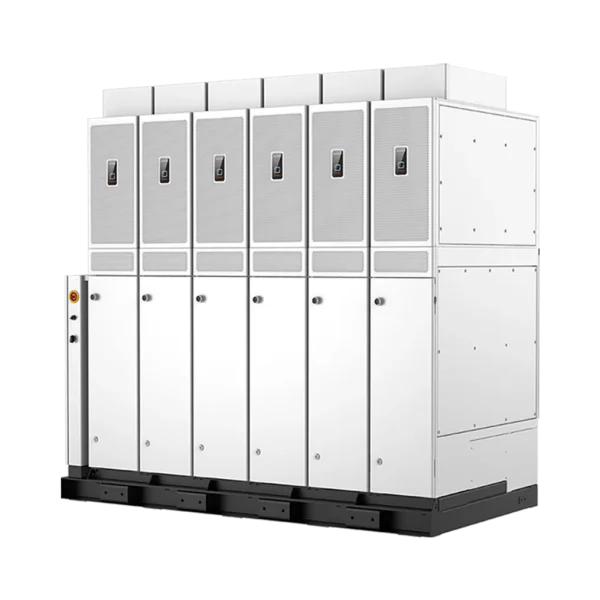
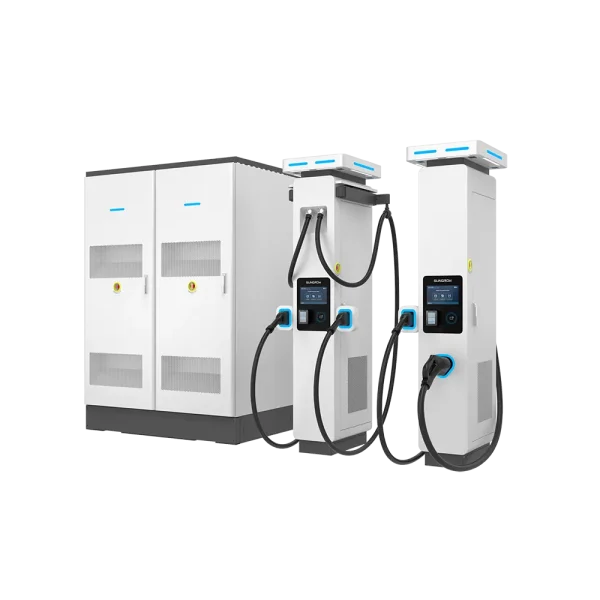
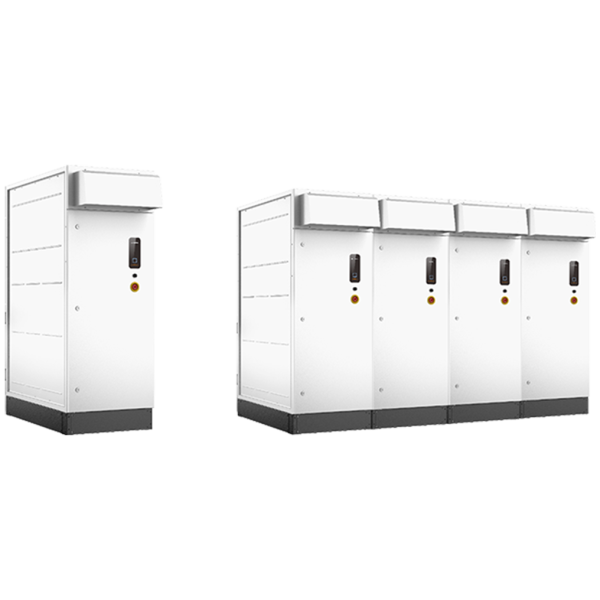
While mastering theoretical energy calculations is essential for system design, executing a successful residential micro-grid rollout relies on selecting a trusted aerospace-grade technology partner. China MoneyPro Energy is a technology-driven developer of advanced energy storage systems and intelligent power solutions, built upon a strong heritage of national-level research institutes and decades of engineering experience in high-reliability systems. Originating from China’s aerospace and defense technology ecosystem, China MoneyPro Energy integrates advanced research, system engineering, and industrial manufacturing capabilities to develop next-generation energy storage solutions for the global energy infrastructure. As a proven global leader serving over 110 countries, our extensive R&D team—representing 30% of our global workforce in innovation—has secured 338 patents and more than 1,100 international certifications to guarantee uncompromised quality and customer-focused service.
Our deep manufacturing versatility allows us to deliver high-performance energy solutions across multiple residential, commercial, and industrial infrastructure tiers. For heavy-duty commercial facilities or critical remote telecommunications links that demand zero voltage drift, project directors can deploy our certified ICT Backup Power Systems core. For remote worksites, overlanding expeditions, or emergency backup requirements, users can integrate our ultra-reliable Portable Power & Backup modules to secure a stable energy supply anywhere. Sourcing directly from our defense-grade engineering lines eliminates intermediate retail markups, shortens project delivery timelines, and guarantees fully traceable performance parameters to safeguard your global energy infrastructure investments.
10. Frequently Asked Questions (FAQs)
What are the most critical factors to consider when Buying Home Solar Batteries?
The top eight factors include cell chemistry selection (such as high-purity LFP), balancing usable storage capacity against continuous power output, verifying round-trip efficiency ratings, analyzing depth of discharge tolerances, checking cycle lifespan metrics, determining the inverter coupling architecture, evaluating thermal management safety, and ensuring the software suite is smart and VPP-ready.
Why is Lithium Iron Phosphate (LFP) preferred over NMC chemistry for residential installations?
LFP chemistry features an incredibly stable crystalline structure that naturally resists thermal runaway and oxygen release at elevated temperatures. This robust composition delivers superior operating safety, excellent thermal stability, and a significantly longer cycle lifespan compared to high-density NMC cells, making it ideal for home environments.
What is the difference between home storage capacity and continuous power delivery?
Usable capacity (kWh) represents the total pool of stored electrical energy available to run your home over time. Continuous power output (kW) dictates the maximum real-time electrical load the battery can deliver at any single millisecond, determining how many high-draw appliances can run simultaneously during an outage.
How does a Virtual Power Plant (VPP) ready system help homeowners maximize their solar savings?
A VPP-ready battery integrates smart communication software that allows the system to interact with local utility networks. This smart link enables the battery to automatically sell stored solar electricity back to the grid during peak load periods when power prices are highest, turning your home battery into an active source of grid revenue.
11. Technical and International Metrology References
1. International Electrotechnical Commission. (2024). Secondary cells and batteries containing alkaline or other non-acid electrolytes — Safety requirements for secondary lithium cells and batteries for use in industrial and residential energy storage systems (IEC Standard No. 62619:2022). Geneva, Switzerland. Available via the official repository at https://www.iec.ch/)
2. Institute of Electrical and Electronics Engineers. (2025). IEEE Standard for Interconnection and Interoperability of Distributed Energy Resources with Associated Transmission Systems Interfaces (IEEE Std 1547-2018). Academic Reference Portfolio.
3. Underwriters Laboratories. (2026). Standard for Batteries for Use in Stationary, Vehicle Auxiliary Power and Light Rail Applications (UL Standard No. 1973). Global Fire Safety and Materials Performance Database.