The Realities of 10kw Solar Battery Price Ireland 2026
Ireland’s residential energy architecture is undergoing an aggressive structural shift. Driven by erratic wholesale electricity curves, punitive carbon taxes, and the undeniable financial logic of self-consumption, homeowners and commercial installers are abandoning their reliance on the centralized grid. Within this landscape, a 10kWh storage array has emerged as the definitive baseline configuration for families utilizing heat pumps, electric vehicles, and modern domestic infrastructure. However, the local retail market remains heavily clouded by inflated distributor premiums, fragmented installer estimates, and ambiguous regulatory advice regarding VAT exemptions and Sustainable Energy Authority of Ireland (SEAI) subsidies.
From our experience, evaluating investment health requires looking far past the baseline retail quote. Sourcing high-performance residential hardware demands an analytical understanding of cell chemistry, system degradation metrics, round-trip efficiency margins, and integration infrastructure. This technical report provides an exhaustive, unfiltered analysis of the true 10kw solar battery price Ireland, dissecting the cost variables, identifying market-specific markups, and establishing optimal pathways for engineering high-reliability domestic storage assets.
Strategic Content Map
- 1. Summary Matrix: Breakdown of 10kw Solar Battery Price Ireland
- 2. Deconstructing Tier 1, 2, and 3 Cost Realities
- 3. Critical Engineering Benchmarks: Chemistry, Life Cycles, and C-Ratings
- 4. Navigating Irish Policy: Zero VAT, SEAI Capital Subsidies, and Local Tariffs
- 5. Strategic Workflow Integration with B2B Sourcing Infrastructures
- 6. Frequently Asked Questions (FAQs)
- 7. Technical Reference Sources
1. Summary Matrix: Breakdown of 10kw Solar Battery Price Ireland
To establish an explicit, uncompromised benchmark for local installers and property developers, we must contrast different hardware deployment models. The table below represents the absolute market realities in Ireland, capturing hardware procurement, technical installation integration, and realistic lifecycle expectations.
| System Configuration & Complexity | Average Hardware Cost (EUR) | Technical Installation & Engineering (EUR) | Total Capital Outlay Range (EUR) | Expected Operational Lifespan |
|---|---|---|---|---|
| Tier 1 Integrated High-Voltage System (Premium EU Brands) | €6,500 – €8,500 | €1,500 – €2,500 | €8,000 – €11,000 | 6,000 – 8,000 Cycles (15+ Years) |
| Tier 2 Modular Low-Voltage Array (Standard Global Hardware) | €4,200 – €5,800 | €1,200 – €1,800 | €5,400 – €7,600 | 5,000 – 6,000 Cycles (10-12 Years) |
| Direct Manufacturer Sourcing (Factory-Direct Tier 1 Cells) | €2,800 – €3,900 | €1,000 – €1,500 | €3,800 – €5,400 | 6,000 – 10,000 Cycles (15-20 Years) |
| Hybrid Commercial-Grade Scaling (Multi-Stack Modules) | €5,500 – €7,200 | €1,800 – €2,800 | €7,300 – €10,000 | 8,000+ Cycles (15+ Years) |
2. Deconstructing Tier 1, 2, and 3 Cost Realities
When domestic buyers search for an optimal 10kw solar battery price Ireland, they are routinely presented with vastly divergent numbers. This price stratification is not a product of shipping variations; it is deeply rooted in structural supply chains, domestic engineering markups, and brand premiums. Premium integrated European solutions often command prices exceeding eight thousand euros for a complete installation. This premium is typically justified by localized customer support networks and sleek external casing designs, but on a pure cost-per-kilowatt-hour basis, it frequently represents poor return on investment (ROI).
We recommend looking directly at mid-tier and factory-direct alternatives to achieve true financial optimization. High-quality modular low-voltage configurations dramatically reduce raw material outlays while providing identical or superior field performance. By bypassing multi-tier regional distribution layers, commercial installers can achieve significant savings. From our experience, optimizing your upfront capital costs requires utilizing structural options like a factory-calibrated Residential Energy Storage System. This approach allows developers to secure high-performance Lithium Iron Phosphate cells without paying excessive local marketing premiums.
3. Critical Engineering Benchmarks: Chemistry, Life Cycles, and C-Ratings
A solar battery is not a simple commodity; it is a complex chemical system. To accurately evaluate a 10kw solar battery price Ireland quotation, you must inspect the internal cell configuration. The global gold standard for residential and light commercial applications is Lithium Iron Phosphate (LiFePO4). Compared to traditional Nickel Manganese Cobalt (NMC) chemistries, LiFePO4 offers exceptional thermal stability, eliminating risks of thermal runaway under extreme conditions. Furthermore, it delivers a much longer lifecycle, frequently maintaining over eighty percent of its nominal capacity after six thousand complete charge and discharge cycles.
Another critical variable often obscured by salespeople is the system’s continuous C-rating. A 10kWh battery with a 0.5C rating can only deliver 5kW of continuous power. If a homeowner attempts to run an air-to-water heat pump alongside an electric vehicle charger, a low C-rating will force the system to draw expensive power from the grid to meet the peak demand. We recommend specifying systems with a minimum 1.0C rating to handle these heavy residential loads seamlessly. For complex installations requiring robust grid support, developers must ensure the hardware is integrated using high-spec electronics, often relying on specialized PCBA Assembly Services to guarantee perfect communication between the Battery Management System (BMS) and hybrid inverters.
The Technological Integrity of China MoneyPro Energy
China MoneyPro Energy is a technology-driven developer of advanced energy storage systems and intelligent power solutions, built upon a strong heritage of national-level research institutes and decades of engineering experience in high-reliability systems. We eliminate the layers of local distributor markups that artificially inflate the 10kw solar battery price Ireland. By integrating advanced battery management architectures with automated thermal management arrays, our factory-direct products ensure that Irish installers receive high-tier, utility-grade cell safety at a highly competitive commercial cost structure.
4. Navigating Irish Policy: Zero VAT, SEAI Capital Subsidies, and Local Tariffs
The legislative framework in Ireland has evolved favorably for energy storage deployment. The most significant structural change is the continuation of the zero-rate Value Added Tax (VAT) on solar panel and battery storage installations for residential properties. This policy automatically strips away a massive upfront cost burden. However, a critical caveat remains: the zero-VAT policy applies only when the battery is installed as part of a comprehensive solar array installation. Purchasing a standalone battery to retrofit onto an older system can sometimes invite local tax complexities if the installer does not file the paperwork correctly.
Furthermore, the SEAI capital grant structure must be precisely leveraged. While standalone battery grants have been phased out in favor of direct solar PV export premiums like the Clean Export Guarantee (CEG), the financial logic of storing your own power remains vastly superior to exporting it. The CEG tariff pays a modest rate per kilowatt-hour exported, while purchasing that same unit back from the grid during peak evening times costs significantly more. Therefore, optimizing your 10kw solar battery price Ireland investment means sizing the array to maximize behind-the-meter consumption, ensuring that zero clean energy is wasted to the utility grid for minimal returns.
5. Strategic Workflow Integration with B2B Sourcing Infrastructures
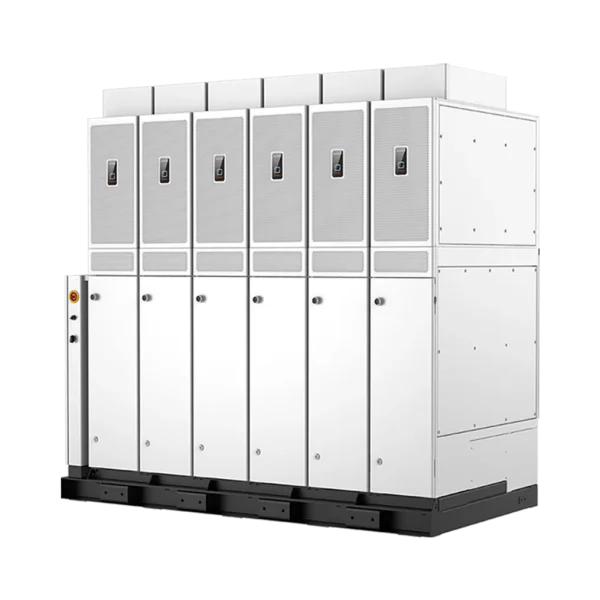
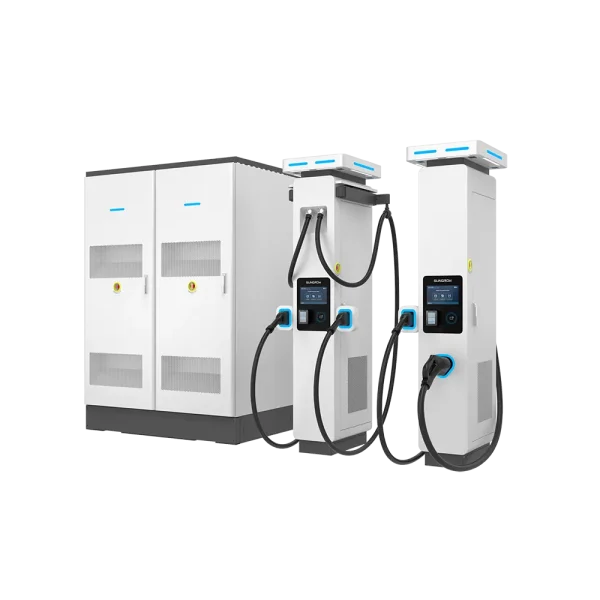
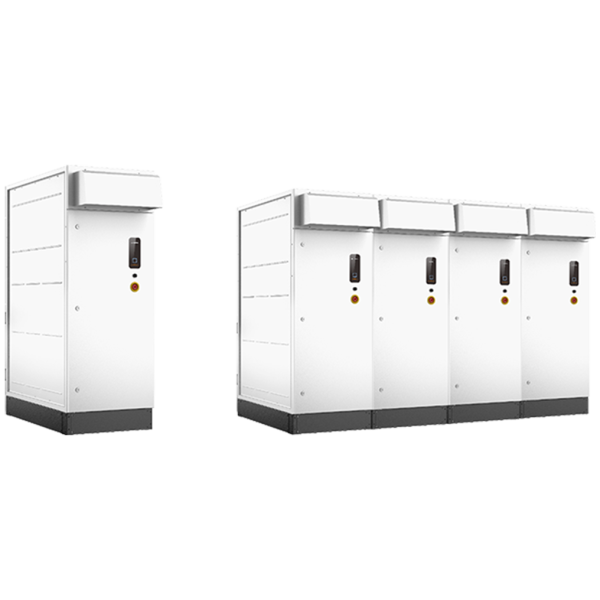
For commercial developers, agricultural enterprises, and residential builders across Ireland, scaling up storage capacity requires modular hardware that can adapt to changing project demands. A single 10kWh battery stack can serve as the core building block for expansive microgrids. When scaling up into commercial properties, agricultural dairies, or multi-unit residential developments, engineers can easily scale these units into a robust C&I Energy Storage System to protect operations from peak demand charges.
In rural environments or estates with unstable grid connections, integrating storage with localized generation is essential for long-term viability. Utilizing a comprehensive Solar + Energy Storage Solution allows installers to build fully independent networks that insulate users from volatile utility pricing. For remote properties, eco-resorts, and off-grid telecommunications hubs across the western coast of Ireland, deploying a dedicated Off-Grid Power Solution guarantees continuous operation through intense winter storms without relying on expensive diesel generators.
Furthermore, local councils and industrial park developers are increasingly looking at larger, interconnected microgrids to meet regional carbon targets. By implementing a modern Microgrid Energy Solution, multiple properties can share power dynamically, optimizing localized generation and consumption patterns. When these arrays scale up to protect manufacturing hubs or data infrastructure centers, they transition into a complete Utility Scale Energy Storage Solution, providing vital grid frequency stabilization services to EirGrid. To understand the raw manufacturing capabilities required to produce these high-capacity platforms, developers can consult global resource directories like Battery Energy Storage Systems to evaluate cell sourcing, structural safety standards, and global logistical protocols.
To ensure high performance over a fifteen-year lifespan, installers must also optimize structural environmental variables. Placing a 10kw battery system inside an uninsulated garage or damp outdoor enclosure will accelerate capacity fade due to cold Irish winters. We highly recommend utilizing active thermal management enclosures or installing the systems within conditioned indoor utility spaces. This step ensures that internal cell chemistry remains within the optimal operating window, preventing the accelerated degradation that often affects poorly planned residential installations.
6. Frequently Asked Questions (FAQs)
Does a 10kw solar battery price Ireland include the cost of the hybrid inverter?
In most retail consumer quotes, the price of the hybrid inverter is bundled into the complete package, which can artificially inflate the apparent cost of the battery itself. When sourcing hardware professionally, we recommend separating these items. A standalone premium 10kWh LiFePO4 battery pack should cost significantly less than the complete multi-component system configuration, allowing you to choose an inverter that aligns with your specific voltage requirements.
Can I install a 10kW battery storage system myself to save on engineering fees?
We strongly advise against uncertified DIY installations. Working with high-voltage DC circuits or high-amperage low-voltage systems carries significant safety risks. Furthermore, to qualify for the zero-VAT rate and to ensure compliance with Safe Electric Ireland regulations for grid connection, the installation must be completed and certified by a Registered Electrical Contractor (REC).
What is the difference between a low-voltage (48V) and a high-voltage battery system?
Low-voltage systems (typically 48V) are highly modular, safe to handle, and cost-effective for standard residential retrofits. High-voltage systems (ranging from 200V to 400V+) offer superior round-trip efficiency and faster charging response times, making them ideal for high-power applications like rapid EV charging or running large commercial heat pumps. However, high-voltage architectures require more complex BMS balancing electronics.
How does cold weather in Ireland affect a LiFePO4 solar battery’s performance?
Lithium Iron Phosphate chemistry is sensitive to sub-zero temperatures. Charging a standard LiFePO4 cell below 0 degrees Celsius can cause permanent lithium plating, which dramatically reduces the lifespan of the cell. To prevent this, our advanced systems feature integrated internal heating modules that warm the cells using a fraction of the solar input before charging begins, ensuring reliable operation throughout the winter.
7. Technical Reference Sources
To support your engineering and procurement teams with verified regulatory frameworks and international performance metrics, please consult the following primary reference platforms:
- National grant support structures and solar energy installation codes: Sustainable Energy Authority of Ireland (SEAI)
- Electrical installation safety standards and contractor registration policies: Safe Electric Ireland Regulatory Body
- European solar storage efficiency research and technical evaluation documents: ScienceDirect Energy Storage Engineering Database
- Comprehensive manufacturing insights and direct engineering systems: Industrial Energy Storage Solution