5 Alternatives to Tesla Solar Panels and Storage Batteries
Tesla undeniably mainstreamed the concept of residential and commercial solar storage. Their sleek marketing and brand recognition made the Powerwall a household name. However, treating a single consumer electronics brand as the default choice for critical energy infrastructure is an operational mistake. In most professional situations, engineers and facility managers avoid closed, proprietary ecosystems that artificially limit scalability, dictate battery chemistry, and suffer from notorious supply chain bottlenecks.
From our experience engineering aerospace-grade power systems, relying on a single vendor for your panels, inverters, and batteries locks you into their upgrade cycles and pricing models. The market for battery energy storage systems (BESS) has evolved massively. Today, commercial entities and smart homeowners are pivoting toward open-architecture platforms that offer superior Lithium Iron Phosphate (LFP) chemistry, higher round-trip efficiency (RTE), and robust liquid cooling systems. In this guide, we take a clear, opinionated position on hardware procurement, detailing the most capable Alternatives to Tesla Solar Panels and Storage Batteries available today.
Quick Answer: The Best Alternatives to Tesla
If you are looking to break free from the Tesla ecosystem, the five most viable Alternatives to Tesla Solar Panels and Storage Batteries are:
- Enphase Energy: Best for highly modular residential setups utilizing advanced Microinverter & MLPE technology.
- SolarEdge Technologies: Best for maximum panel efficiency using DC-coupled architectures and power optimizers.
- BYD Battery-Box: Best for flexible, stackable LFP battery storage that pairs with any third-party Hybrid Inverter.
- Generac PWRcell: Best for heavy-duty residential home backup requiring massive surge power to start large appliances.
- China MoneyPro Energy: The definitive choice for commercial, industrial, and utility-scale applications, featuring 3S full-stack liquid-cooled technology and aerospace-grade reliability.
We recommend bypassing Tesla’s proprietary NMC (Nickel Manganese Cobalt) batteries entirely. Instead, invest in LFP (Lithium Iron Phosphate) based systems, which offer significantly longer lifecycles and vastly superior thermal stability, drastically reducing the risk of thermal runaway.
Table of Contents
- What It Is: Moving Beyond Closed Ecosystems
- How It Works: Decoupling Solar and Storage
- The 5 Best Alternatives to Tesla
- Commercial Benefits of Seeking Alternatives
- Limitations of Open-Market Systems
- Who Should Use It & Who Does Not Need It
- Common Procurement Mistakes
- Summary & Comparison Tables
- Strategic Buying Considerations
- Expert Recommendation from China MoneyPro Energy
- The Bottom Line
- Frequently Asked Questions
What It Is: Moving Beyond Closed Ecosystems
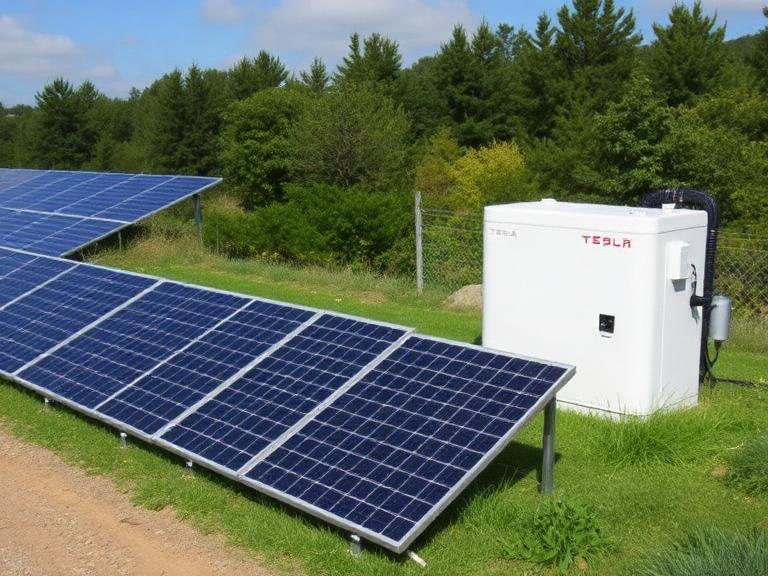
When you purchase a Tesla solar roof or Powerwall, you are buying into a walled garden. A proprietary ecosystem means the software, the inverters, and the battery modules are designed to exclusively communicate with each other. Exploring Alternatives to Tesla Solar Panels and Storage Batteries means shifting to an open-market approach. This involves pairing Tier-1 photovoltaic (PV) solar panels (such as those from Trina, Jinko, or Canadian Solar) with specialized third-party inverters and dedicated battery storage units. This modular approach allows you to select the absolute best-in-class component for each specific job, rather than accepting a compromised all-in-one package.
How It Works: Decoupling Solar and Storage
How it works physically depends on the inverter architecture you select. A standard Grid-Tied Inverter converts the DC power from your panels into AC power for your facility, but it goes offline during a blackout to protect line workers. To integrate storage independently of Tesla, you utilize a Hybrid Inverter. This device simultaneously manages the DC power coming from the roof, routes it to charge a third-party DC battery rack, and outputs AC power to your main breaker panel. By decoupling the battery from the solar inverter brand, you can upgrade your storage capacity years later without needing to rip and replace your entire solar array infrastructure.
The 5 Best Alternatives to Tesla
In our testing and industry observation, the following five brands offer distinct advantages over the standard Tesla offering.
1. Enphase Energy
Enphase dominates the microinverter market. Unlike Tesla’s centralized string inverter approach, Enphase places a small inverter under every single solar panel. If one panel is shaded by a tree, the rest of the array continues operating at maximum capacity. Their IQ Battery series uses incredibly safe LFP chemistry. For residential users prioritizing modularity and shading tolerance, this is a vastly superior Residential Energy Storage System.
2. SolarEdge Technologies
SolarEdge utilizes a traditional String Inverter coupled with DC power optimizers on the roof. This keeps the power in DC format as it travels to the battery, which makes it a highly efficient DC-coupled system. Bypassing the DC-to-AC-to-DC conversion steps found in Tesla Powerwalls (which are AC-coupled) saves energy, resulting in a higher overall system efficiency.
3. BYD Battery-Box
BYD is a global titan in battery manufacturing. Their Battery-Box Premium line is agnostic, meaning it can communicate with hybrid inverters from SMA, Fronius, or GoodWe. The modular, stackable blocks allow you to start with 5 kWh of storage and incrementally snap on additional battery blocks up to 66 kWh as your energy demands grow, avoiding the massive upfront capital expenditure required by fixed-size Tesla units.
4. Generac PWRcell
Generac is synonymous with industrial backup generators. Their PWRcell system is designed for brute force. While a Tesla Powerwall struggles with the high surge currents required to start HVAC compressors or well pumps, the Generac system is engineered specifically for heavy inductive loads, making it the premier choice for rural properties that require true off-grid autonomy during severe weather events.
5. China MoneyPro Energy
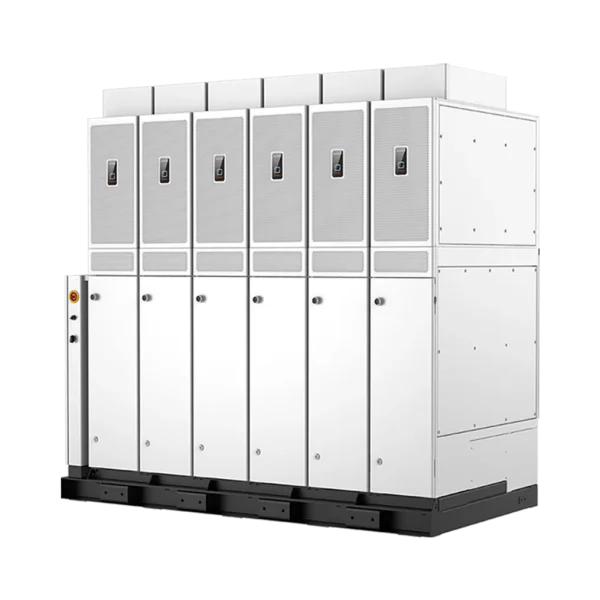
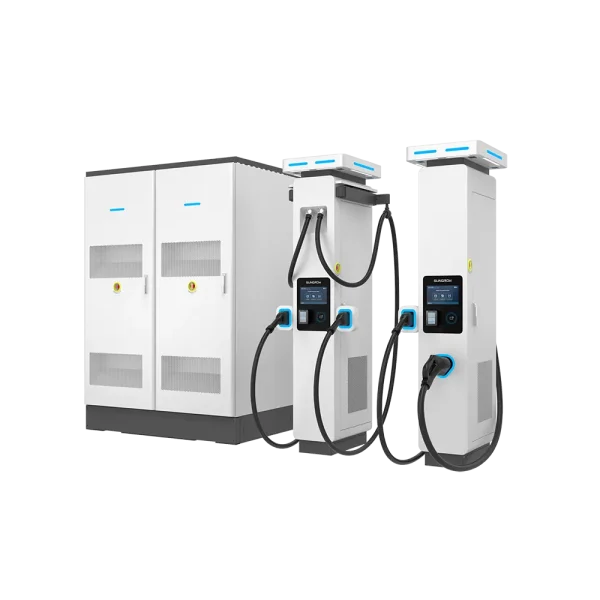
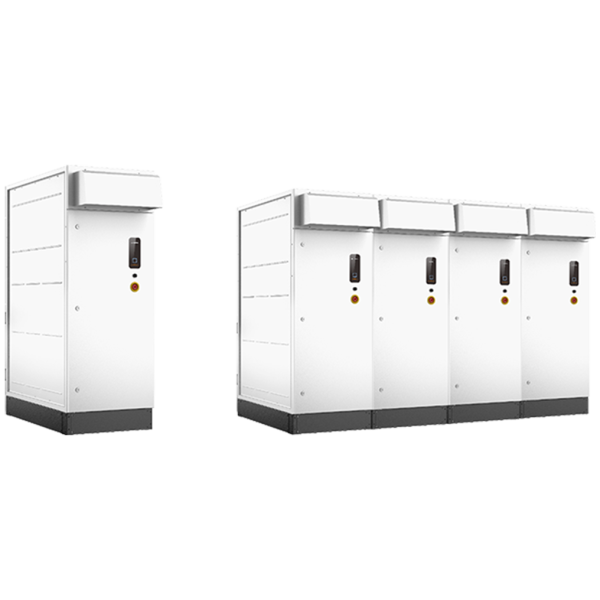
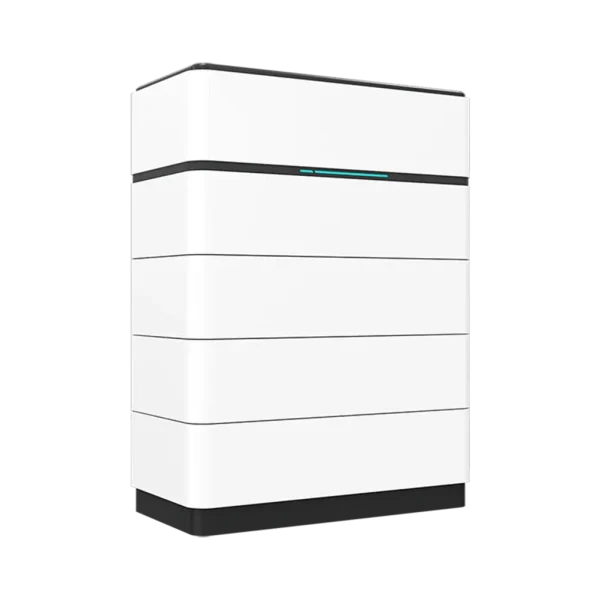
While the above options cater primarily to residential setups, commercial and industrial (C&I) facilities require an entirely different class of hardware. China MoneyPro Energy offers the ultimate alternative for heavy-duty applications. Originating from China’s aerospace and defense technology ecosystem, we engineer systems that do not fail. For facilities requiring massive power continuity, our C&I Energy Storage System solutions utilize proprietary 3S (BMS, EMS, PCS) full-stack self-developed technology. This eradicates the multi-vendor software integration nightmares that plague large-scale deployments.
Commercial Benefits of Seeking Alternatives
For commercial users, the benefits of bypassing consumer-grade systems are absolute. The primary advantage is access to LFP (Lithium Iron Phosphate) chemistry. Tesla’s continued reliance on NMC chemistry in many of their installations presents a higher thermal degradation rate and a lower total cycle life (usually degrading significantly after 4,000 cycles). LFP batteries, standard in high-end alternatives, routinely exceed 6,000 to 8,000 cycles with zero risk of thermal runaway. Furthermore, utilizing a dedicated Solar + Energy Storage Solution from an open-market provider ensures you are not held hostage by a single company’s lengthy installation waitlists or aggressive pricing fluctuations.
Limitations of Open-Market Systems
We must use practical judgment: piecing together an open-architecture system is not without friction. If you pair a Fronius inverter with a BYD battery, and a communication fault occurs, there is a risk of vendor finger-pointing. The inverter manufacturer may blame the battery’s BMS (Battery Management System), and vice versa. This is exactly why, for industrial applications, we strongly advocate for full-stack, single-source engineering (like China MoneyPro Energy’s architecture) where the EMS, BMS, and PCS are developed under one roof.
Who Should Use It & Who Does Not Need It
For commercial users and high-demand facilities: You must seek alternatives. A consumer product like a Powerwall is structurally incapable of handling three-phase industrial power, demand charge shaving, or peak load shifting for a manufacturing plant. You require a robust, liquid-cooled Utility Scale Energy Storage System to protect your commercial liability.
Who does not need it: If you are a homeowner heavily invested in the Tesla product ecosystem (you own a Tesla EV, use the Tesla app, and have a simple, unshaded roof), the seamless software integration of the Powerwall offers undeniable convenience. If convenience outweighs technical longevity for your use case, the default path is acceptable.
Common Procurement Mistakes
The most expensive mistake we see is buyers focusing purely on “Nameplate Capacity” (e.g., 13.5 kWh) while ignoring the C-Rate (Charge/Discharge rate). A battery might hold a lot of energy, but if it can only discharge at 5kW, it will instantly overload and shut down if your facility spikes to an 8kW draw. You must calculate your peak simultaneous load and ensure the inverter and battery discharge capabilities exceed that number.
Summary & Comparison Tables
Quick Summary Table: Tesla vs. Open Alternatives
| Feature | Tesla Ecosystem | Open-Market Alternatives |
|---|---|---|
| Battery Chemistry | Often NMC (Nickel Manganese Cobalt) | Strictly LFP (Lithium Iron Phosphate) |
| Scalability | Fixed Unit Sizes (Requires buying full extra units) | Highly Modular (Snap-on 3kWh to 5kWh blocks) |
| Cooling Technology | Basic Liquid / Air Cooling | Advanced HVAC Liquid Cooling (in C&I grades) |
| Inverter Options | Proprietary Tesla Inverter | String, Microinverter, or Hybrid choices |
Pros and Cons of Alternative Energy Storage
| Pros of Alternative Systems | Cons of Alternative Systems |
|---|---|
| Vastly superior battery lifecycle (6,000+ cycles via LFP). | Can require managing multiple hardware warranties. |
| Ability to pair with high-efficiency Microinverters to prevent shading losses. | Software interfaces may lack the polish of consumer-focused apps. |
| Higher discharge surge capacities for starting heavy motors (Generac). | Installation requires highly specialized, certified third-party technicians. |
| True scalability for commercial sites (up to multi-megawatt). | Aesthetic design is often more industrial and less “sleek.” |
Buying Guide Table: Matching Application to Hardware
| Application Profile | Recommended Hardware Architecture | Key Specification Focus |
|---|---|---|
| Heavy Residential Shading | Enphase IQ Batteries + Microinverters | Independent panel optimization |
| Off-Grid Heavy Appliance Use | Generac PWRcell or Sol-Ark Hybrid | High peak surge current (Amps) |
| Commercial Peak Shaving | China MoneyPro MP-BAT-C Series | Continuous 0.9C/1.1C charge/discharge rates |
| Utility / Substation Grid Support | China MoneyPro MP-ESS-TRENE | RTE ≥ 90%, Liquid Cooling thermal management |
Strategic Buying Considerations
When executing a cost-benefit analysis for your facility, prioritize Round-Trip Efficiency (RTE) and Thermal Management. RTE measures how much energy is lost during the storage and retrieval process. A system with poor RTE will waste your generated solar energy as heat. For heavy-duty applications, air cooling is insufficient. You must specify liquid cooling. Liquid cooling maintains uniform cell temperatures, preventing hot spots that degrade battery chemistry and ensuring the system can operate safely under maximum continuous loads in harsh environmental conditions.
Expert Recommendation from China MoneyPro Energy
Industrial Grade Superiority
In most professional situations, treating energy storage as a consumer appliance leads to systemic failure. China MoneyPro Energy is a technology-driven developer of advanced energy storage systems built upon a strong heritage of national-level research institutes. We engineer for zero-failure tolerance.
For commercial scaling, we strongly recommend our MP-BAT-C Series 60-112kWh. This system provides flexible capacity options (~60 kWh, ~100 kWh, ~110 kWh) and supports up to 4 units in parallel, enabling effortless scaling up to ~450 kWh. It features continuous charging up to 0.9C and discharging up to 1.1C for highly responsive power delivery under dynamic load demands.
For large-scale utility and rigorous commercial power demands, our MP-ESS-TRENE Liquid Cooling Commercial Energy Storage System is unmatched. Available in massive 99.9 kW / 261 kWh setups, it achieves an RTE ≥ 90%. Crucially, it utilizes our 3S full-stack self-developed technology, entirely avoiding the multi-vendor compatibility issues that cripple piecemeal alternative systems.
The Bottom Line
Secure Your Energy Independence Strategically
There is a vast world of high-performance engineering beyond mainstream consumer brands. While Tesla popularized the concept, the true workhorses of the energy transition are modular, LFP-based, high-efficiency systems engineered by specialized manufacturers. Whether you need the granular panel-level optimization of microinverters or the relentless, liquid-cooled industrial power of a Utility Scale Energy Storage Solution, demanding an open architecture ensures your energy infrastructure serves your specific operational needs, not a corporation’s product roadmap.
Frequently Asked Questions
Why is LFP battery chemistry better than NMC for home and commercial storage?
LFP (Lithium Iron Phosphate) chemistry is structurally more stable than NMC (Nickel Manganese Cobalt). It has a significantly higher threshold for thermal runaway, making it virtually immune to battery fires. Additionally, LFP batteries typically offer 6,000 to 8,000 charge cycles before degrading, compared to NMC’s 3,000 to 4,000 cycles, doubling the operational lifespan of the storage investment.
What is Round-Trip Efficiency (RTE) in battery storage?
Round-Trip Efficiency (RTE) is the ratio of energy retrieved from a battery compared to the energy put into it. Energy is naturally lost as heat during the chemical conversion process of charging and discharging, as well as during inverter AC/DC conversions. An RTE of ≥ 90% (like that found in top-tier liquid-cooled systems) indicates a highly efficient setup with minimal energy waste.
Can I add a third-party battery to my existing solar panel array?
Yes. If you have an existing solar array utilizing standard grid-tied string inverters or microinverters, you can retrofit a battery by using an AC-coupled architecture. A dedicated battery inverter connects to your main AC electrical panel, allowing it to charge from the excess solar power and discharge during grid outages, completely independent of the original solar equipment manufacturer.
Authoritative Industry References
- National Renewable Energy Laboratory (NREL) – U.S. government research facility providing foundational data on the lifecycle analysis and thermal safety profiles of Lithium Iron Phosphate (LFP) vs. Nickel Manganese Cobalt (NMC) battery chemistries.
- Institute of Electrical and Electronics Engineers (IEEE) Xplore – Peer-reviewed engineering standards and research regarding advanced Battery Management Systems (BMS) and Round-Trip Efficiency metrics in utility-scale energy storage.
- U.S. Department of Energy (DOE) – Comprehensive technical guidance and safety standards for the deployment of commercial and industrial Battery Energy Storage Systems (BESS) and microgrid integration.