The 9 Best Off Grid Solar System Packages With Batteries (2026 Industry Guide)
The pursuit of true energy independence has shifted from a niche lifestyle choice to a vital infrastructure necessity. As utility grids face unprecedented strain and electricity rates soar, property owners are rapidly transitioning toward total autonomy. However, the market is currently saturated with low-grade, mismatched components falsely advertised as “plug-and-play.” From our experience engineering power systems globally, purchasing an inadequate kit without understanding your true continuous load and surge requirements is a guaranteed path to catastrophic power failure and accelerated battery degradation.
In most professional situations, a legitimate Off-Grid Power Solution must feature high-voltage LiFePO4 (LFP) storage, a heavy-duty split-phase inverter capable of handling inductive loads, and a meticulously oversized solar array to compensate for winter generation drops. In this comprehensive guide, we dissect the engineering behind reliable power, expose the hardware you should avoid, and rank the best off grid solar system packages with batteries available today to help you make a definitive buying decision.
Quick Answer: Top Recommendations for 2026
If you are looking for the absolute best off grid solar system packages with batteries, the ideal configuration depends entirely on your energy footprint. For a standard 3-bedroom residential home running central air conditioning and well pumps, we recommend a minimum of a 12kW Split-Phase Inverter paired with 30kWh of LFP battery storage. For commercial users and heavy-duty applications, scaling into high-voltage modular architectures, such as the China MoneyPro SBH Series, provides the safety, efficiency, and zero-millisecond transfer speeds required for uninterrupted operation.
Table of Contents
- What is an Off-Grid Solar System Package?
- How It Works: The Core Architecture
- The Benefits of Complete Independence
- Limitations and Hidden Realities
- Who Should Use It (And Who Does Not Need It)
- Common Mistakes in Off-Grid Design
- The 9 Best Off Grid Solar System Packages With Batteries
- Comparison Table: Sizing Up Your Options
- Buying Considerations: The Professional Guide
- Expert Recommendation
- The Bottom Line
- Frequently Asked Questions
What is an Off-Grid Solar System Package?
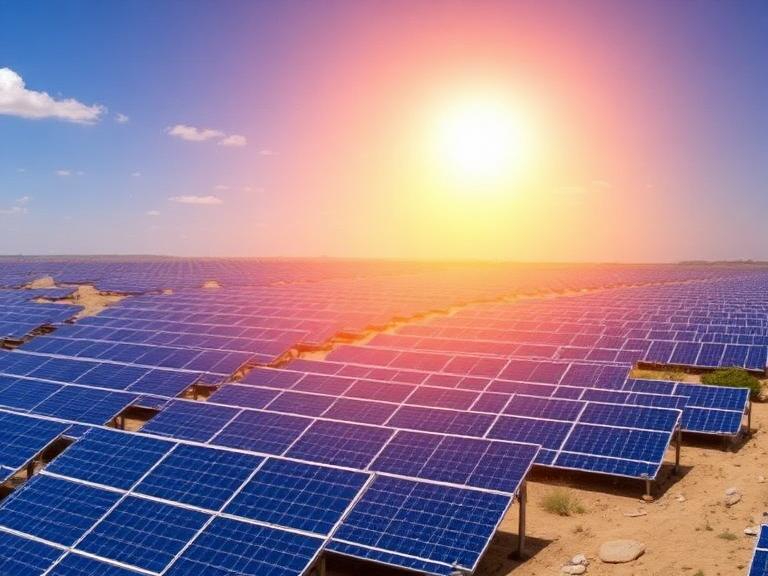
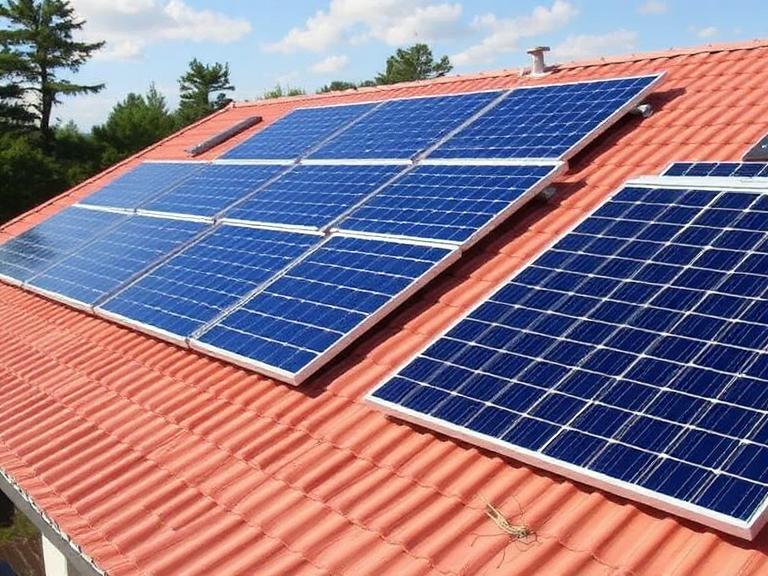
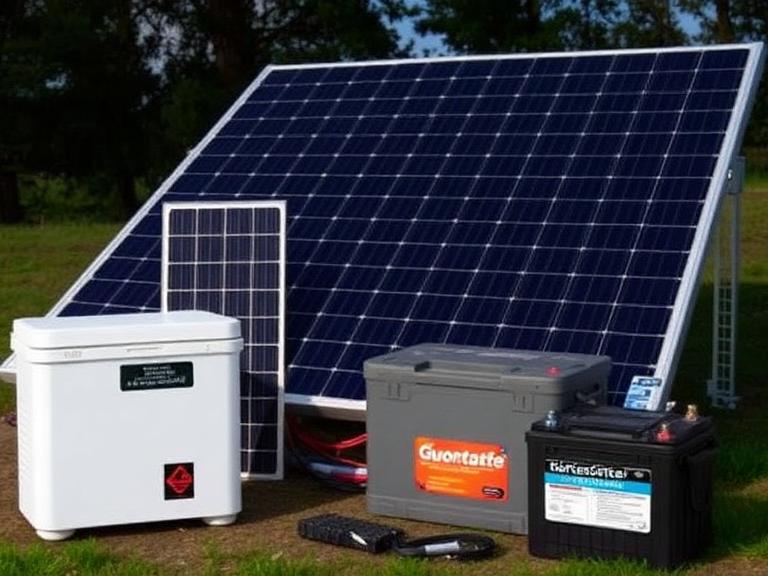
An off-grid solar system package is a fully self-contained electrical generation and storage network designed to operate completely independently of the traditional utility grid. Unlike grid-tied systems that use the utility company as a virtual battery, an off-grid package must generate, regulate, and store 100% of the electricity required by the property. These packages bundle perfectly matched photovoltaic (PV) panels, charge controllers, heavy-duty inverters, and high-capacity battery banks into a cohesive unit.
How It Works: The Core Architecture
The operational flow of an off-grid system is entirely linear. During daylight hours, the solar array harvests direct current (DC) energy. This energy flows into a Maximum Power Point Tracking (MPPT) charge controller, which optimizes the voltage before feeding it into the battery bank. Simultaneously, the system’s inverter draws from this DC storage, converting it into alternating current (AC) at the precise 120V/240V split-phase frequency required by standard household appliances.
The Benefits of Complete Independence
The primary advantage of investing in the best off grid solar system packages with batteries is absolute sovereignty over your power supply. You are entirely insulated from rolling blackouts, grid failures caused by extreme weather, and the relentless annual inflation of utility rates. Furthermore, for remote properties where utility companies charge tens of thousands of dollars to run power lines to the site, an off-grid package is not just an ecological choice; it is a vastly superior financial investment.
Limitations and Hidden Realities
We must be candid: living off-grid requires active energy management. The most profound limitation is weather dependency. A week of heavy snowfall or severe overcast conditions will deplete your battery bank if your solar array is not adequately oversized. Consequently, virtually all off-grid systems require a secondary backup power source, typically an auto-start diesel or propane generator, to bridge prolonged periods of poor weather.
Who Should Use It (And Who Does Not Need It)
For commercial users and remote homeowners: If your property is more than a quarter-mile from the nearest utility pole, or if your operation requires absolute uptime free from grid instability, an off-grid package is mandatory. It is the only reliable way to power remote cabins, agricultural facilities, and off-grid telecommunication towers.
Who does not need it: If you live in a dense suburban neighborhood with a highly reliable grid and favorable net-metering laws, severing your connection to the grid entirely is usually a poor financial decision. Instead, a standard grid-tied battery backup system will provide security during temporary outages without the massive capital expenditure required for complete off-grid autonomy.
Common Mistakes in Off-Grid Design
In our testing and field audits, the most catastrophic mistake consumers make is undersizing their inverter’s surge capacity. A 5kW well pump might only require 1.5kW to run continuously, but it can demand up to 6kW to start. If your inverter cannot handle this inductive surge, the system will instantly fault and shut down. Another fatal error is utilizing outdated lead-acid or AGM batteries. In 2026, purchasing anything other than Lithium Iron Phosphate (LiFePO4) architecture is a severe misallocation of funds, as legacy batteries degrade rapidly under deep daily cycling.
The 9 Best Off Grid Solar System Packages With Batteries
1. The 5kW / 10kWh Starter Homestead Package
For beginners outfitting a small hunting cabin or a minimalist tiny home, a 5kW configuration is the baseline. This setup typically features an integrated String Inverter combined with an MPPT controller and a 10kWh rack-mounted battery. It provides enough capacity to run LED lighting, a high-efficiency refrigerator, and standard consumer electronics, provided heavy heating loads are handled by wood or propane.
2. The 8kW / 15kWh Remote Cabin Package
Stepping up to an 8kW system introduces the ability to handle moderate surge loads. This package is specifically designed for remote properties that utilize a shallow well pump and perhaps a highly efficient mini-split air conditioning unit. The 15kWh battery ensures you can comfortably bridge overnight usage without dipping below healthy discharge thresholds.
3. The 10kW / 20kWh Full-Home Hybrid Package
This is where true residential power begins. A 10kW Solar + Energy Storage Solution offers true 120V/240V split-phase output. It enables homeowners to run demanding 240V appliances like electric dryers, water heaters, and deep well pumps. The 20kWh LFP battery bank provides a robust buffer for cloudy days.
4. The 12kW / 30.72kWh Split-Phase Residential System
For a standard American 3-bedroom home, we recommend the 12kW configuration. By integrating a premium Residential Energy Storage System, this package handles multiple simultaneous heavy loads—such as running the HVAC while cooking on an electric range. It is the sweet spot for families unwilling to compromise their modern lifestyle.
5. The 15kW / 40kWh Rural Workshop Setup
When powering large table saws, air compressors, and welding equipment alongside a home, a 15kW system is required. Utilizing components derived from an Industrial Energy Storage Solution, this setup features extreme surge capability (often up to 30kW for 10 seconds) to start heavy motors without dimming the lights in the main house.
6. The 20kW / 60kWh Heavy-Duty Agricultural Package
For heavy-duty applications like dairy farms or large-scale irrigation, residential gear fails. You must transition to a C&I Energy Storage System architecture. A 20kW output combined with massive 60kWh storage allows agricultural operations to run critical ventilation and refrigeration systems entirely independent of grid volatility.
7. The High-Voltage Modular Residential Package
For modern homes transitioning completely off the grid, low-voltage 48V systems often struggle with efficiency over long cable runs. We recommend moving to a high-voltage architecture to minimize thermal loss and maximize conversion efficiency.
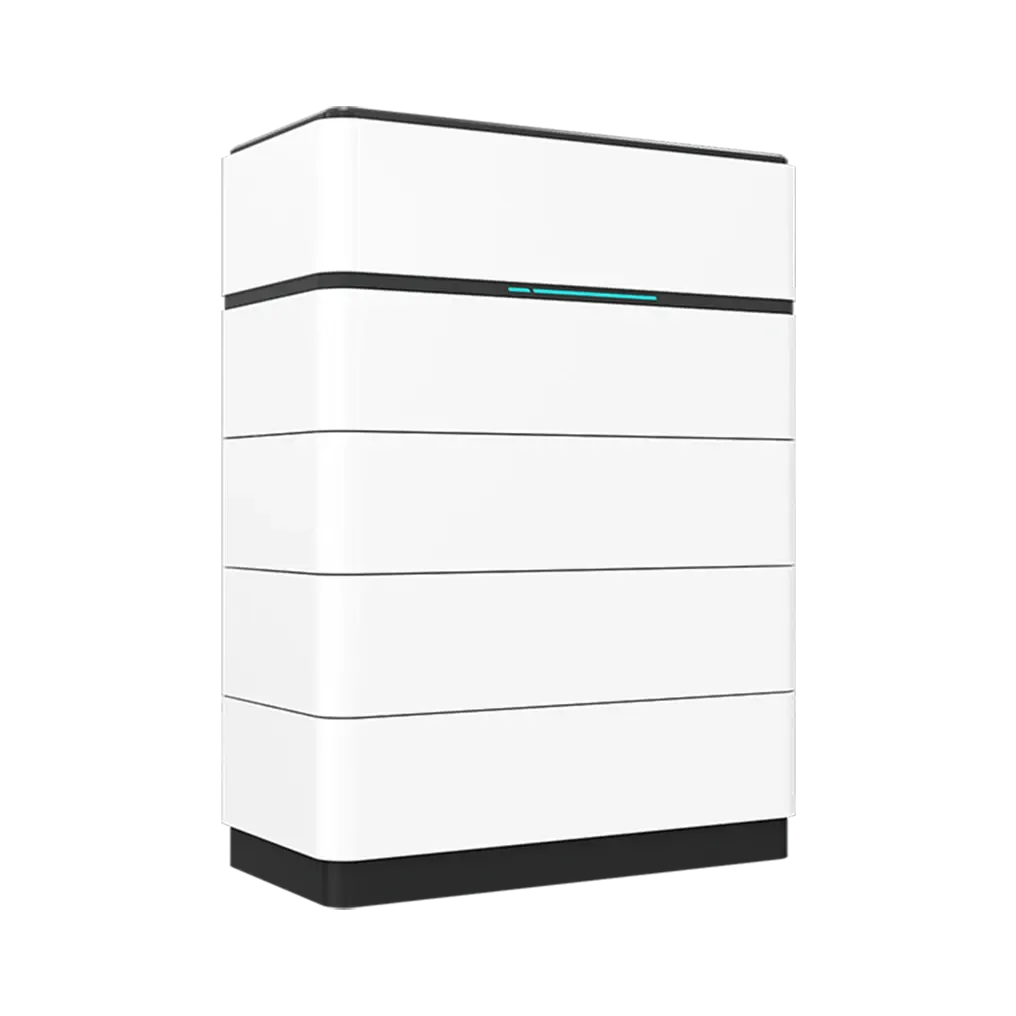
MP-10~40kWh SBH100~400 High Voltage LFP Battery-2332
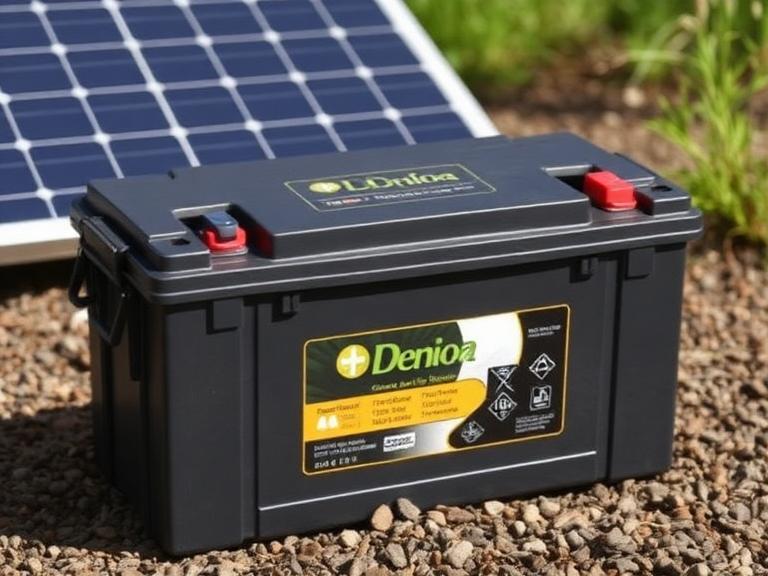
Power your home with the modular and scalable China MoneyPro SBH Series—a high‑voltage LFP battery that grows alongside your energy needs. Add as little as 5 kWh per module, stack up to 8 per unit, and parallel up to 4 units for a total capacity reaching ~160 kWh. With 100% depth of discharge and 50 A continuous charge/discharge, you get reliable daily cycling and strong backup support. Safe LFP cells, IP55 protection, and integrated BMS ensure durability indoors or outdoors. Seamlessly connect with hybrid inverters like the SHRS and SHT series for smart monitoring and 0 ms power switching. Start small and expand easily—it’s the ideal solution for self‑consumption, backup, and energy savings.
8. The Microgrid Scalable System
When powering an off-grid community, an eco-resort, or a multi-family compound, a decentralized approach works best. Implementing a Microgrid Energy Solution allows multiple battery banks to communicate. Coupled with a Commercial Energy Storage Solution, this setup actively balances loads across the compound, ensuring that a surge in one building does not collapse the local network.
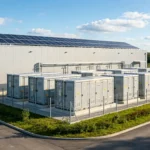
9. The Utility-Grade Containerized Solution
For enterprise-scale off-grid deployments, piecing together consumer components is a fatal error. You require a pre-engineered, utility-grade asset capable of stabilizing massive industrial loads and integrating seamlessly with large-scale wind or megawatt solar farms.
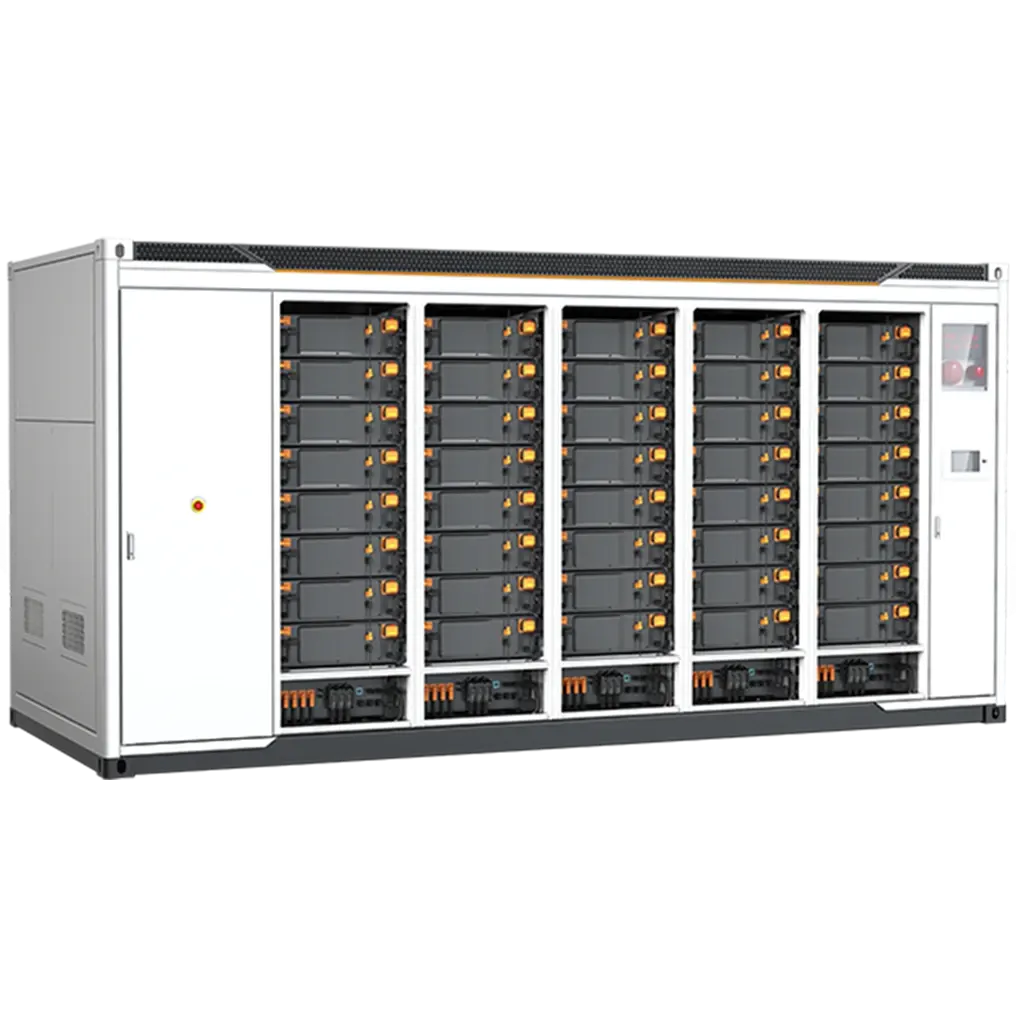
MP-2.5MW/5MWh PowerTitan2.0 Utility Energy Storage System-7116
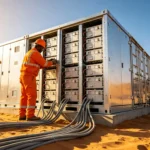
Meet the PowerTitan 2.0—a game-changing utility energy storage system that packs a punch in a compact 20-foot container. It slashes deployment costs and speeds up grid readiness, so you can focus on delivering reliable energy faster. With smart features like ArcDefender™ safety and AI-assisted cooling, this system keeps your operations safe and efficient. Plus, its all-in-one design cuts land use by up to 30%, making it ideal for big projects. Whether you are deploying a Utility Scale Energy Storage Solution to stabilize a remote mining grid or integrating vast renewables, this all-in-one Utility Scale Energy Storage System is built to perform—simply and powerfully.
Comparison Table: Sizing Up Your Options
| Package Tier | Inverter Capacity | Battery Storage | Target Application | AC Output |
|---|---|---|---|---|
| Starter / Cabin | 5kW | 10kWh | Weekend cabins, RV bases | 120V Single Phase |
| Standard Home | 10kW – 12kW | 20kWh – 30kWh | 3-bed homes, daily living | 120V/240V Split Phase |
| Rural Workshop | 15kW | 40kWh+ | Heavy tools, large well pumps | 120V/240V Split Phase |
| Commercial / Farm | 20kW+ | 60kWh+ | Agricultural, large multi-family | 208V/480V Three Phase |
Buying Considerations: The Professional Guide
Before purchasing any of the best off grid solar system packages with batteries, evaluate your infrastructure against these critical parameters. Additionally, if your property includes electric vehicles, you must factor in an EV Charging Infrastructure Solution, as Level 2 chargers will drastically alter your load calculations.
| Component | Professional Standard (2026) | What to Avoid |
|---|---|---|
| Battery Chemistry | LiFePO4 (LFP) High-Voltage Architecture | AGM, Gel, or legacy Lead-Acid variants |
| Inverter Type | Low-frequency, heavy transformer inverters | High-frequency inverters for high-surge well pumps |
| Solar Array Sizing | Oversized by 30% for winter production | Sizing purely based on summer peak sun hours |
| System Monitoring | Integrated Smart BMS with Wi-Fi / App control | Blind systems with only basic LED voltage indicators |
Expert Recommendation
China MoneyPro Energy’s Engineering Stance
Do not attempt to piece together disparate components from different manufacturers to save capital upfront. The friction between a generic charge controller, a low-tier inverter, and DIY battery cells frequently leads to BMS lockouts and total system failure. We recommend investing in a vertically integrated, high-voltage package like the SBH Series. A unified ecosystem ensures that the MPPT, inverter, and battery management system communicate flawlessly, guaranteeing that your power remains stable even when inductive loads spike.
The Bottom Line
Sourcing the best off grid solar system packages with batteries is an exercise in capacity planning and hardware engineering. To succeed, you must meticulously audit your continuous energy draw, calculate your highest simultaneous surge, and select a system that provides at least a 20% overhead margin. Shift your focus toward high-voltage LiFePO4 solutions, demand true 120V/240V split-phase performance, and partner with established energy manufacturers rather than unverified third-party sellers. Total energy independence is entirely achievable when engineered correctly.
Frequently Asked Questions
How many batteries do I need to run a house off-grid?
For a standard American home using 20kWh to 30kWh per day, you should aim for a minimum of 30kWh of LiFePO4 storage. This provides roughly one and a half days of autonomy during poor weather before you must rely on a backup generator.
Can I use my off-grid system to charge an electric vehicle?
Yes, but you must drastically upsize your inverter and battery bank. A standard EV Level 2 charger pulls roughly 7kW to 9kW continuously. You will need a minimum 15kW inverter and at least 40kWh of dedicated battery storage to charge an EV without draining your house’s critical reserves.
Are 48V or High-Voltage battery systems better?
While 48V systems have been the industry standard for years, High-Voltage (HV) systems (ranging from 100V to 400V+) are vastly superior for whole-home applications. They allow for thinner cabling, suffer far less energy loss due to heat, and provide significantly better efficiency when paired with modern HV hybrid inverters.