7 Benefits of hybrid inverters for solar battery systems
The global transition toward decentralized renewable energy microgrids has accelerated the need for sophisticated power electronics. In the early eras of photovoltaic adoption, standard configurations separate solar production loops from storage integration. This dual-inverter topology introduced unnecessary conversion layers, increased system footprint, and generated communication bottlenecks between independent hardware components. Modern infrastructure demands a unified approach to energy orchestration where direct current from solar arrays and storage banks can be routed seamlessly into alternating current grids.
From our experience at China MoneyPro Energy, relying on fragmented electrical architectures frequently results in conversion efficiency drops, structural thermal wear, and erratic failover latencies during grid outages. To counter these systemic issues, utility-scale developers and modern residential designers turn to multi-port intelligent topologies. Analyzing the primary benefits of hybrid inverters for solar battery systems shows that these integrated solutions deliver the conversion efficiency, system reliability, and dynamic response profiles required to secure microgrid investments. This expert analysis outlines the seven core technical advantages driving this architecture.
Table of Contents
- 1. Unified Single-Unit Power Architecture
- 2. Optimized Round-Trip DC-DC Direct Charging Efficiency
- 3. Dynamic UPS-Grade Uninterruptible Power Supply Failover
- 4. Intelligent Energy Orchestration and Time-of-Use Management
- 5. Bi-Directional Grid Support and Future-Proof System Expansion
- 6. Simplified Balance-of-System Mechanics and Thermal Reliability
- 7. Centralized Data Analytics and Streamlined Troubleshooting Protocols
- 8. Technical Performance Comparison Table
- 9. Sourcing Innovation: The China MoneyPro Energy Edge
- 10. Frequently Asked Questions (FAQs)
- 11. Academic and Electrical References
1. Unified Single-Unit Power Architecture
Traditional solar storage systems require a dedicated solar converter alongside a separate battery companion. This layout introduces a multi-tier conversion framework where DC energy from solar panels must be transformed into AC electricity by one converter, only to be processed back into DC energy by the secondary storage companion for chemical storage. A hybrid power management system changes this setup completely.
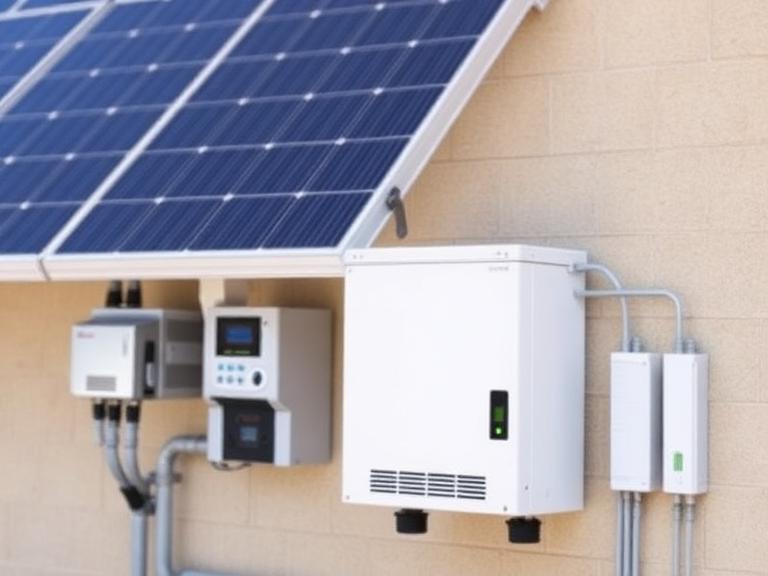
By housing the maximum power point tracking (MPPT) inputs, battery charging terminals, and grid-tied output modules inside a single enclosure, a unified architecture controls all power buses simultaneously. From our experience, consolidating hardware paths eliminates cross-component communication errors. This consolidated footprint simplifies space planning, reduces installation labor hours, and guarantees perfect synchronization across all energy paths under high-current workloads.
2. Optimized Round-Trip DC-DC Direct Charging Efficiency
Every time electricity passes through an internal transistor, winding, or switching circuit, a portion of that energy is lost as waste heat. Eliminating unnecessary conversion loops is critical for boosting system performance. One of the most impactful benefits of hybrid inverters for solar battery systems is the capability to perform direct DC-to-DC charging paths.
We recommend prioritizing direct DC coupling when high efficiency is required. When solar panels generate DC power, the internal bus of the hybrid converter directs that energy straight into the storage cells without converting it to AC and back. This direct route cuts out dual inversion loss, boosting round-trip efficiency by 2% to 7% compared to AC-coupled layouts. This optimization ensures maximum energy utilization during peak solar production periods.
3. Dynamic UPS-Grade Uninterruptible Power Supply Failover
When an unexpected grid failure occurs, traditional grid-tied systems must shut down immediately to protect utility line workers from dangerous back-feeding. If a property relies on a separate storage converter to reboot the line, the delay can cause computers to reset, data streams to drop, and sensitive medical hardware to fail. Integrated hybrid systems solve this latency bottleneck with built-in automatic transfer switching.
The internal isolation circuits monitor grid voltages continuously. The millisecond a line fault is detected, the converter severs the grid connection and energizes critical load panels using storage reserves. We recommend selecting systems with sub-20ms transfer speeds to ensure continuous operation for computers and sensitive home networks during sudden power outages.
4. Intelligent Energy Orchestration and Time-of-Use Management
Utility companies are shifting toward complex time-of-use (TOU) billing models, charging high premium rates during peak load windows and offering lower rates during overnight hours. Managing these changing price tiers requires automated, algorithmic energy distribution. Multi-port converters use an internal Energy Management System (EMS) to constantly check grid pricing schedules against historical production data.
During low-rate nighttime windows, the system can draw power from the grid to charge the battery banks to full capacity. When peak day rates arrive, the converter shifts the entire facility load onto solar and battery reserves, shielding the customer from high utility costs. This intelligent control shifts power usage windows dynamically, lowering energy bills and speeding up the return on investment for solar storage setups.
5. Bi-Directional Grid Support and Future-Proof System Expansion
Modern electrical infrastructure is evolving to support bi-directional power flows, virtual power plants (VPPs), and automated demand-response events. A standalone older converter lacks the processing paths needed to manage these complex interactions. Integrated hybrid units feature advanced bi-directional processing stages, allowing them to function as active grid-forming nodes.
This allows properties to seamlessly participate in regional grid stabilization programs, exporting stored energy during critical demand spikes to earn financial incentives. Additionally, this flexible internal bus simplifies adding extra generation sources down the road. Whether adding extra solar modules, electric vehicle charging stations, or secondary storage banks, the multi-port system coordinates the extra power paths without requiring a complete hardware teardown.
6. Simplified Balance-of-System Mechanics and Thermal Reliability
Using multiple separate converters multiplies the required balance-of-system (BOS) components, including individual AC disconnects, external combiner boxes, redundant overcurrent protection breakers, and complex cross-wiring loops. This extra wiring increases installation labor costs and creates multiple electrical failure points that can degrade over time due to thermal expansion.
A multi-port hybrid design includes these protection systems directly within its factory-tested chassis, matching rigid international engineering safety standards. Minimizing external wiring connections enhances structural thermal reliability, lowers system resistance losses, and prevents localized heating. This integrated design approach ensures consistent, predictable performance across harsh industrial and residential environments.
7. Centralized Data Analytics and Streamlined Troubleshooting Protocols
When an error occurs in a fragmented multi-inverter system, tracking down the root cause can be incredibly difficult. The solar converter might report normal output parameters while the battery charger logs an intermittent voltage fault, causing technicians to waste hours searching through conflicting log files from different manufacturers. Hybrid platforms eliminate this visibility gap through centralized system monitoring.
A unified processor monitors the performance of the solar array, battery cells, and grid connections simultaneously, logging all data to a single unified dashboard. From our experience, centralized monitoring speeds up system diagnostics significantly. Technicians can view synchronized data logs to quickly pinpoint issues, modify operational parameters via remote firmware updates, and verify system efficiency without performing expensive on-site field testing.
8. Technical Performance Comparison Table
To help system designers and procurement managers make informed hardware choices, the following responsive table matrix summarizes how hybrid multi-port systems compare to traditional multi-unit topologies across core engineering metrics.
| Engineering Performance Metric | Traditional Multi-Unit Setup | Advanced Hybrid Inverter Platform | Core Strategic Advantage |
|---|---|---|---|
| Round-Trip Efficiency | Low (88% – 91%) due to multi-stage AC-DC loops | High (94% – 97%) via direct DC-DC charging | Saves valuable solar energy from turning into waste heat |
| Failover Switch Latency | Slow (2 to 5 seconds or manual boot) | Ultra-Fast (sub-20 milliseconds) | Protects IT servers and home networks from resetting |
| BOS Component Count | High (Requires separate breakers, arrays, and paths) | Low (Integrated internal protection modules) | Reduces installation labor costs and electrical failure points |
| Grid Stabilization (VPP) | Limited or requires external control units | Native bi-directional processing paths | Enables participation in high-return energy export programs |
| System Diagnostics | Complex (Mismatched data logs across vendors) | Unified (Single processor tracking all buses) | Speeds up troubleshooting and lowers maintenance costs |
9. Sourcing Innovation: The China MoneyPro Energy Edge
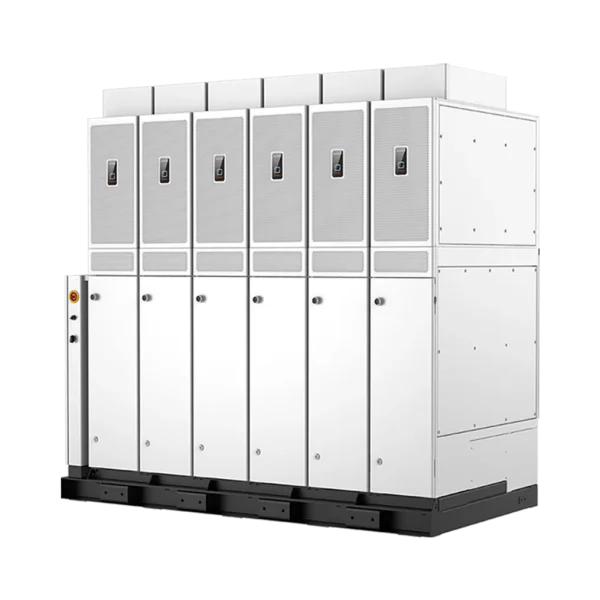
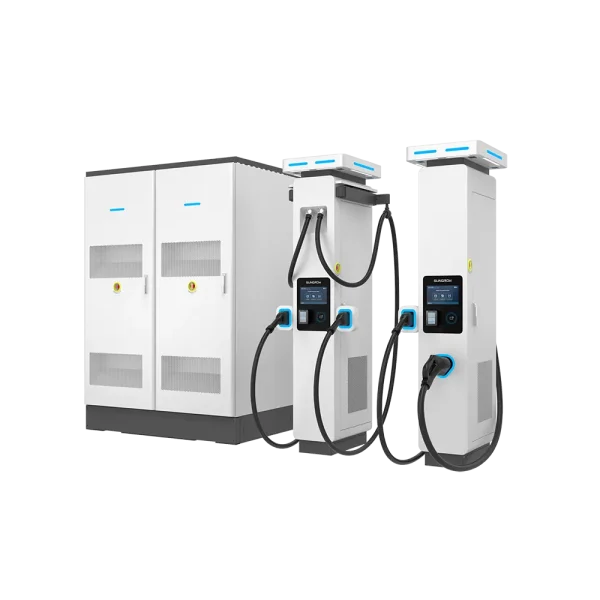
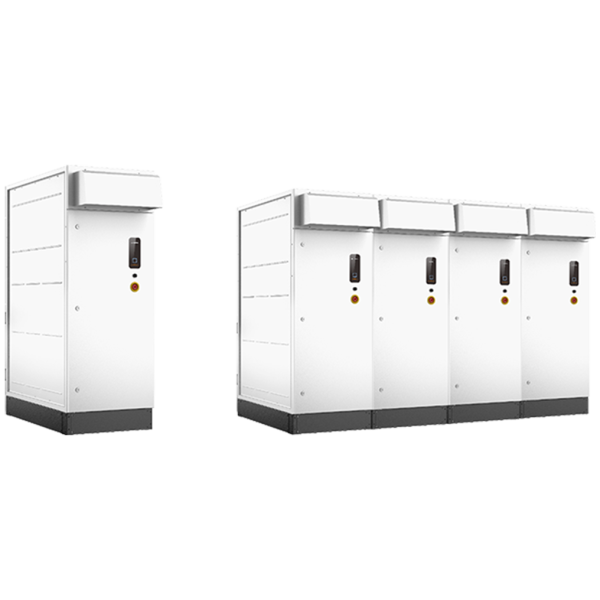
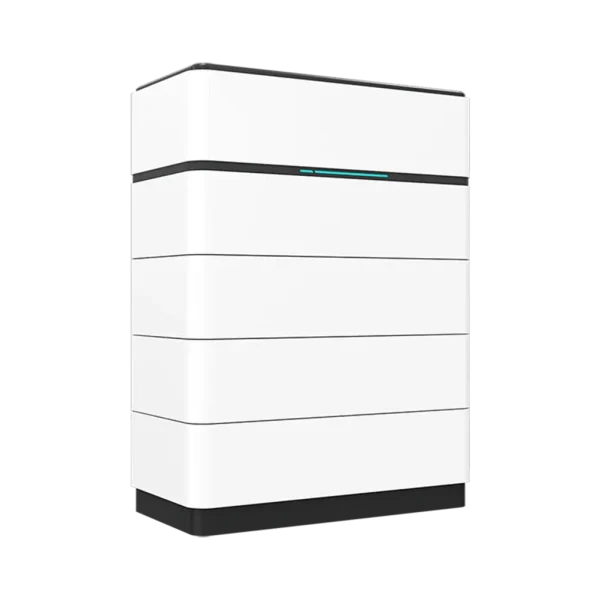
While understanding the technical benefits of hybrid inverters for solar battery systems is essential for system planning, securing long-term grid stability relies on selecting a hardware manufacturer with an elite research and development background. China MoneyPro Energy is a technology-driven developer of advanced energy storage systems and intelligent power solutions, built upon a strong heritage of national-level research institutes and decades of engineering experience in high-reliability systems. Originating from China’s aerospace and defense technology ecosystem, China MoneyPro Energy integrates advanced research, system engineering, and industrial manufacturing capabilities to develop next-generation energy storage solutions for the global energy infrastructure.
As a global leader serving over 110 countries, we maintain a strong focus on innovation, dedicating 30% of our global workforce to engineering and R&D. This technical commitment is backed by 338 patents and over 1,100 international certifications, ensuring our power conversion electronics operate reliably under severe climate conditions. For utility projects or commercial properties that require simple, high-output grid connections without storage features, engineers can review our premium Grid-Tied Inverter lines to optimize energy capture metrics.
For modern projects that demand maximum energy independence, emergency backup paths, and flexible time-of-use management, we recommend implementing our specialized Hybrid Inverter lines. To design ultra-resilient, micro-scale commercial projects or high-reliability setups prone to partial shading, engineering teams can explore our advanced Microinverter & MLPE components.
Furthermore, an inverter’s long-term field reliability is heavily dependent on how it coordinates with underlying battery chemistries. We recommend pairing our multi-port converters with high-precision management systems. Industrial microgrid developers can explore our advanced Battery Management System (BMS) modules to safeguard battery lifespans, or integrate our heavy-duty Power Conversion System (PCS) architectures to achieve flawless phase alignment across megawatt-scale utility deployments.
10. Frequently Asked Questions (FAQs)
What are the primary benefits of hybrid inverters for solar battery systems over separate components?
Hybrid platforms combine solar conversion and battery management into a single unit. This integrated approach increases round-trip charging efficiency through direct DC-DC paths, provides faster backup power switching during outages, lowers installation equipment costs, and centralizes system diagnostics under a single processor.
Can a hybrid system operate safely without a battery storage bank attached?
Yes, most modern hybrid models can operate initially as traditional grid-tied units, converting solar power for immediate facility use or exporting excess energy to the grid. This capability allows property owners to split their investment, installing the solar array first and adding storage modules later when budgets allow.
How does a hybrid inverter protect sensitive electronic devices during a grid outage?
The platform uses internal voltage sensors and high-speed automated isolation switches. The millisecond grid voltage fluctuates past safe thresholds, the processor cuts the utility line and draws power from the battery banks in under 20 milliseconds, providing steady, continuous power that keeps computers from resetting.
What certifications should engineering teams look for when sourcing hybrid power converters?
Procurement teams should verify that components carry leading international safety and grid-compliance certifications, such as UL 1741 SA, IEEE 1547, CE, and regional grid codes, ensuring the hardware can be safely and legally connected to local electrical grids.
11. Academic and Electrical References
1. Institute of Electrical and Electronics Engineers. (2020). Standard for Interconnection and Interoperability of Distributed Energy Resources with Associated Transmission Electric Power Systems Interfaces (IEEE Standard No. 1547-2018). New York, NY. Available via https://www.ieee.org/)
2. Underwriters Laboratories. (2024). Standard for Inverters, Converters, Controllers and Interconnection System Equipment for Use With Distributed Energy Resources (UL Standard No. 1741). Northbrook, IL. Available via https://www.ul.com/)
3. International Electrotechnical Commission. (2025). Safety of power converters for use in photovoltaic power systems — Part 1: General requirements (IEC Standard No. 62109-1:2010). Available via https://www.iec.ch/)