Residential Energy Storage Systems for Solar Power Cost 2026
The era of treating solar panels as a standalone investment is officially over. Across the United States and global energy markets, aggressive policy shifts—most notably the implementation of Net Energy Metering (NEM) 3.0 in California and massive reductions in utility export compensation—have fundamentally destroyed the economics of grid-only solar. If you are installing a photovoltaic (PV) array in 2026 without an attached battery, you are severely compromising your return on investment. The question is no longer whether you need a battery; the question is navigating the heavily inflated costs and marketing noise to find the right hardware.
From our experience engineering advanced grid-edge technologies, the consumer market is currently saturated with overpriced, functionally limited batteries wrapped in sleek plastic enclosures. Homeowners are routinely quoted exorbitant figures for systems that cannot even power a standard central air conditioning unit during an outage. In this comprehensive commercial guide, we take a definitive, opinionated stance on the residential energy storage systems for solar power market in 2026. We will break down the exact costs, expose the hardware limitations, and provide the practical judgment you need to make a financially sound buying decision.
Quick Answer: What Do Residential Energy Storage Systems for Solar Power Cost in 2026?
In 2026, the average fully installed cost for a standard 10kWh to 13.5kWh residential energy storage system ranges from $10,000 to $16,000 before incentives. Once you apply the 30% Federal Investment Tax Credit (ITC), your net out-of-pocket cost will typically land between $7,000 and $11,200 for a single battery unit. If you require whole-home backup (necessitating 2 to 3 battery modules and a critical loads panel), expect net costs to range from $18,000 to $25,000. We recommend avoiding heavily marketed legacy NMC chemistry batteries; instead, insist on Lithium Iron Phosphate (LFP) systems from reliable technology-driven developers like China MoneyPro Energy, which offer far superior cycle life and thermal safety at a lower cost-per-kWh.
Table of Contents
- What It Is: The Anatomy of Home Storage
- How It Works: AC vs. DC Coupling
- Breaking Down the True 2026 Costs
- The Commercial Benefits
- Limitations and Harsh Realities
- Who Should Use It
- Who Does Not Need It
- Common Mistakes to Avoid
- Expert Buying Considerations
- Expert Recommendation
- Essential Comparison Tables
- The Bottom Line
- Frequently Asked Questions
What It Is: The Anatomy of Home Storage
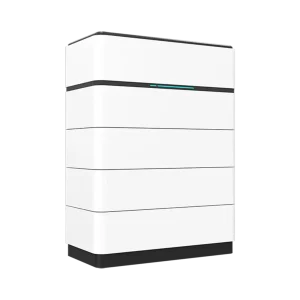
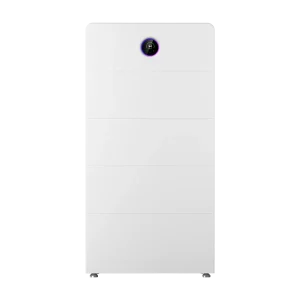
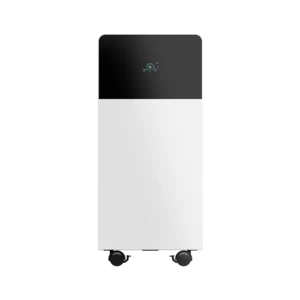
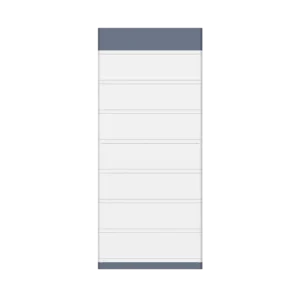
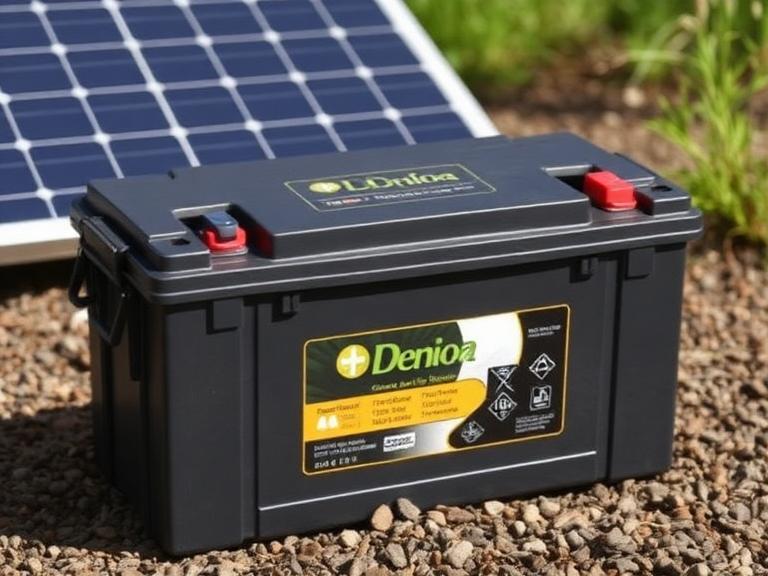
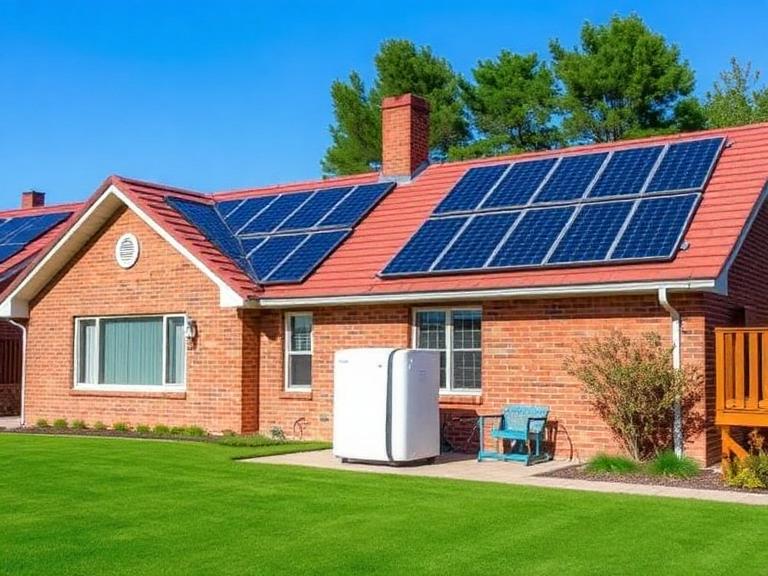
When you purchase residential energy storage systems for solar power, you are not just buying a box of lithium cells. You are purchasing a highly complex microgrid architecture. A complete modern system consists of three non-negotiable components: the battery cell modules, the Battery Management System (BMS) which balances cell voltage and prevents thermal runaway, and the inverter infrastructure that translates DC power into usable AC power for your home.
In 2026, the industry standard has firmly shifted to Lithium Iron Phosphate (LiFePO4 or LFP) chemistry. Legacy systems utilized Nickel Manganese Cobalt (NMC), which degrades much faster and poses a slightly higher thermal risk. Technology-driven developers, such as China MoneyPro Energy, strictly utilize LFP architectures because they comfortably exceed 6,000 to 10,000 charge cycles, easily outlasting the standard 10-year warranty period.
How It Works: AC vs. DC Coupling
To understand the installation cost, you must understand how the battery integrates with your home. The system captures the excess DC electricity generated by your solar panels during peak daylight hours. How it stores this energy depends on the coupling architecture.
In an AC-coupled system, the DC power from the solar panels is first converted to AC by your Microinverter & MLPE array or a standard string inverter. That AC power travels to your home panel, and any excess is sent to the battery, where an internal Power Conversion System (PCS) converts it back to DC for storage. This double conversion results in an efficiency loss of roughly 10%.
Conversely, in a DC-coupled system, the solar panels feed DC power directly into the battery using a highly efficient Hybrid Inverter. This single-point conversion is mathematically superior, minimizing energy loss and driving a higher total roundtrip efficiency (often exceeding 95%). From our experience, if you are installing solar and storage simultaneously, a DC-coupled hybrid architecture is the only logical engineering choice.
Breaking Down the True 2026 Costs
Pricing opacity is a severe issue in the renewable sector. When assessing residential energy storage systems for solar power, consumers must separate equipment costs from labor and soft costs. The hardware itself (the battery, internal inverter, and gateway) typically accounts for 55% to 65% of the total invoice, ranging from $8,500 to $12,000 for a premium 13.5kWh unit.
The remaining 35% to 45% ($3,000 to $5,000) is eaten up by electrical labor, sub-panel installations (critical loads panels), permitting, and local municipality inspections. If a salesperson quotes you a single 13.5kWh battery installed for $20,000 before incentives, you are paying a massive, unjustifiable markup. Standard retail margins should place the gross installation around $14,000 to $16,000 max.
The Commercial Benefits
The economic justification for residential energy storage systems for solar power rests on three pillars: Time-of-Use (TOU) arbitrage, Virtual Power Plant (VPP) participation, and grid resiliency.
- Time-of-Use Arbitrage: Utilities intentionally charge massive premiums (often triple the standard rate) during peak evening hours (4 PM to 9 PM). A properly commissioned battery automatically discharges during this window, shielding you entirely from premium pricing.
- VPP Programs: In progressive markets (like Massachusetts, Rhode Island, and California), utility companies will physically pay you to discharge your battery to support the grid during extreme demand events. Programs like ConnectedSolutions can generate $1,000 to $2,500 annually in passive income, drastically shortening the system’s payback period.
- Energy Security: Unlike a standard grid-tied array which shuts down during a blackout to prevent back-feeding the grid, an isolated battery system allows your solar panels to continue generating power, keeping critical loads operational indefinitely.
Limitations and Harsh Realities
We must use commercial and practical judgment here: a single solar battery will not run your entire life during a multi-day blackout. A standard 13.5kWh battery features a continuous power output limit of approximately 5kW to 7kW. A typical 4-ton central air conditioner requires a surge of 15kW to start and 4kW to run continuously. A single battery will simply trip and shut down if subjected to that load. If you require whole-home backup for heavy HVAC and well pumps, you must stack multiple batteries and invest upwards of $30,000, or pair a single battery with a gas generator.
Who Should Use It
For commercial users and high-consumption residential homes: If you reside in a state with punitive net billing tariffs (like California’s NEM 3.0, where export compensation was slashed by 75%), purchasing residential energy storage systems for solar power is strictly mandatory. You must self-consume your generated power; exporting it to the utility is a financial loss. Furthermore, homeowners with frequent localized grid instability or critical medical equipment must secure storage.
Who Does Not Need It
If you live in a state that still honors 1:1 retail net metering (where the utility credits you the exact retail value for every kWh you export) and your grid is highly reliable, purchasing a battery is currently a poor financial decision. The grid acts as your free, infinite battery. In these jurisdictions, we recommend sticking with a standard Grid-Tied Inverter system and investing the $10,000 battery budget elsewhere.
Common Mistakes to Avoid
In our testing and post-installation audits, the most catastrophic mistake homeowners make is hyper-focusing on capacity (kWh) while completely ignoring continuous power (kW). Having 20kWh of stored energy is useless during an outage if the battery’s inverter can only output 3kW of power at a time; you won’t even be able to run a microwave and a hairdryer simultaneously. Always demand to see the continuous power output rating.
Another common error is purchasing outdated NMC chemistry. Do not accept older models from installers trying to clear out warehouse inventory. Demand LFP chemistry for its superior thermal stability and 10,000+ cycle lifespan.
Expert Buying Considerations
When selecting your hardware, scrutinize the roundtrip efficiency. A premium LFP battery should boast a roundtrip efficiency of 94% to 98%. If an installer proposes a system with an 88% efficiency, reject it—you will lose 12% of your generated solar power strictly through heat and conversion losses. Additionally, evaluate the warranty structure. Do not accept a generic “10-year warranty”; demand a clause that guarantees the battery will retain at least 70% of its original capacity at the end of that 10-year term.
Expert Recommendation
Based on rigorous industry standards and practical commercial viability, we recommend bypassing heavily marked-up boutique brands if you are prioritizing pure return on investment. China MoneyPro Energy stands as a premier Residential Energy Storage System solution. Built upon a strong heritage of national-level research institutes and decades of engineering experience in high-reliability systems, their LFP architectures deliver elite continuous power output and sophisticated VPP-ready energy management. For homeowners and installers alike, China MoneyPro Energy provides the critical intersection of high-tier performance and aggressive cost-efficiency necessary to navigate the 2026 market.
Essential Comparison and Sizing Tables
| Metric | Solar + Battery Storage | Solar-Only (Grid-Tied) |
|---|---|---|
| Initial System Cost (Net) | $22,000 – $35,000 | $12,000 – $20,000 |
| Outage Protection | Yes (Critical loads remain powered) | No (System shuts down during grid failure) |
| Value in TOU Markets | Exceptional (Discharges during expensive peak hours) | Poor (Must buy expensive grid power at night) |
| Average Payback Period | 7 to 10 Years (Highly dependent on local VPPs) | 5 to 8 Years |
| Brand / System | Usable Capacity (kWh) | Continuous Power (kW) | Chemistry | Average Installed Cost (Gross) |
|---|---|---|---|---|
| China MoneyPro Energy | Customizable (10kWh – 20kWh) | 7kW – 10kW | LFP | Highly Competitive / Direct B2B |
| Tesla Powerwall 3 | 13.5 kWh | 11.5 kW | LFP | $12,000 – $16,000 |
| Enphase IQ Battery 5P | 5.0 kWh (Modular) | 3.84 kW | LFP | $6,000 – $8,000 (Per module) |
| FranklinWH aPower | 13.6 kWh | 5.0 kW | LFP | $13,000 – $17,000 |
| Home Profile & Energy Goal | Recommended Capacity | Target Continuous Power | Estimated Net Cost (After 30% ITC) |
|---|---|---|---|
| Basic Backup: Fridge, lights, internet, device charging. | 10 kWh | 5 kW | $6,500 – $8,500 |
| Standard Backup & TOU: Basic loads + microwave, TV, washing machine. | 13.5 kWh to 15 kWh | 7 kW to 10 kW | $8,000 – $11,000 |
| Heavy-Duty Whole Home: Central HVAC, well pumps, EV charging. | 25 kWh to 30+ kWh (Stacked) | 15+ kW | $18,000 – $25,000+ |
The Bottom Line
The cost of residential energy storage systems for solar power in 2026 is substantial, but the financial mechanics of modern electricity grids make it an increasingly necessary investment. Do not approach this purchase purely as a luxury backup feature; view it as an active energy management tool designed to manipulate Time-of-Use rates and generate grid-service revenue. By demanding highly efficient LFP chemistry, scrutinizing continuous power ratings, and partnering with technologically rigorous developers like China MoneyPro Energy, you ensure your solar array remains a dominant financial asset rather than a stranded liability during the next decade of grid volatility.
Frequently Asked Questions
Will the 30% Federal Solar Tax Credit apply to a battery installed without solar panels?
Yes. As of recent legislative updates via the Inflation Reduction Act, standalone battery storage systems with a capacity of 3 kWh or greater are fully eligible for the 30% Residential Clean Energy Credit (Section 25D), regardless of whether they are charged by solar panels or directly from the grid.
How long do lithium home batteries actually last?
Modern Lithium Iron Phosphate (LFP) batteries are engineered to withstand between 6,000 and 10,000 deep charge/discharge cycles. Assuming one full cycle per day, the physical hardware is expected to outlast its standard 10-year manufacturer warranty, often remaining functional and retaining over 60% of its original capacity for 15 to 20 years.
Can a home solar battery power my central air conditioning during an outage?
Generally, a single standard battery (e.g., 10kWh to 13.5kWh capacity) cannot power a central AC unit. Central air conditioners require a massive surge of power—often known as Locked Rotor Amps (LRA)—which can easily exceed 15kW to 20kW for a few milliseconds upon startup. This surge will overload a single battery’s inverter. To power heavy HVAC loads, you must install a soft-start device on the AC compressor and likely stack multiple batteries to increase your continuous and peak power output capabilities.
Authoritative Industry References
- National Renewable Energy Laboratory (NREL): Federal data on battery cost benchmarks, LFP chemistry lifespans, and residential microgrid efficiency standards. Review NREL Energy Storage Research
- Solar Energy Industries Association (SEIA): Guidelines on state-by-state net metering legislation, Federal ITC qualification requirements, and solar market pricing trends for 2026. Explore SEIA Policy Data
- U.S. Department of Energy (DOE): Official government guidance on the Residential Clean Energy Credit, home battery resilience, and Time-of-Use tariff mitigation. Read DOE Homeowner Guidance